
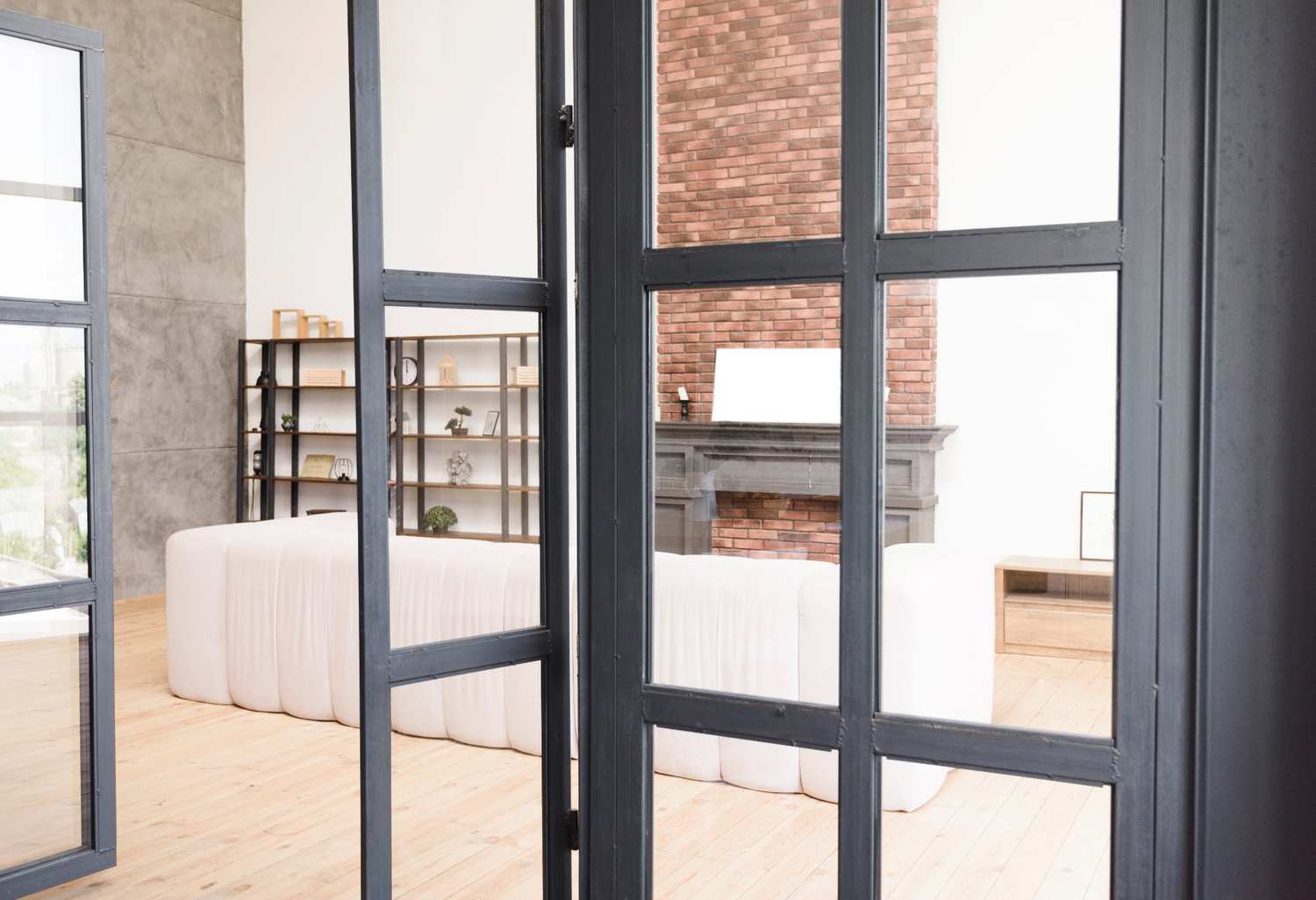
Creating a seamless connection between indoor and outdoor spaces has become a defining feature of modern homes and commercial buildings. As a result, sliding doors and bifold doors are two of the most popular design choices today. However, when it comes to choosing between sliding doors vs bifold doors, many homeowners and property developers struggle to decide which option truly fits their space, lifestyle, and budget.
In this in-depth guide, we’ll explore the key differences between bifold and sliding doors, compare their pros and cons, discuss energy efficiency, cost, space planning, and share expert tips to help you make the right decision.
Glass sliding doors, often referred to as sliding glass patio doors, consist of one or more large glass panels that move horizontally along a track. One panel typically remains fixed while the other slides behind it.
Because sliding doors don’t swing or fold outward, they are ideal for small patios, balconies, and compact living spaces.
Common uses include: Living rooms, patios, balconies, bedrooms opening to gardens, and modern room partitions.
Bifold doors use multiple glass panels connected by hinges that fold and stack neatly to one or both sides of the opening. When fully opened, they can clear almost the entire doorway.
Bifold doors are especially popular in large openings, garden-facing homes, restaurants, and entertainment spaces.
If full access is your priority, bifold doors have the edge. For tighter spaces, sliding doors are more practical.
For homeowners prioritizing maximum natural light and uninterrupted garden views, sliding doors are often the preferred option.
From an energy efficiency standpoint:
High-quality systems can perform well in both cases, but sliding patio doors often provide slightly better insulation and draft resistance.
For commercial spaces or homes needing wheelchair-friendly access, bifold doors with low thresholds can be a strong advantage.
If low maintenance is a priority, sliding doors tend to be the safer long-term choice.
The cost of both door types depends on:
However, for very wide openings, large sliding glass panels can also become expensive. Getting multiple quotes is the best way to compare accurately.
Sliding doors vs bifold doors explained. Compare pros, cons, energy efficiency, cost, space planning, and expert tips to choose the best door solution for modern homes and commercial spaces.
In most cases, sliding patio doors are more energy efficient because they have fewer joints and tighter seals. However, high-quality bifold doors with advanced glazing and proper installation can also offer excellent thermal performance.
Both bifold doors and sliding doors can increase property value by improving natural light, aesthetics, and functionality. Bifold doors often create a stronger visual impact, while sliding doors appeal to buyers looking for modern design and low maintenance.
Generally, bifold doors are more expensive due to additional panels, hinges, and hardware. Sliding doors are usually more budget-friendly for standard openings, but pricing varies based on size, materials, glazing, and installation quality.
For compact homes or limited patios, sliding doors are the better option. They don’t require folding or stacking space and operate within their frame, making them ideal for small areas and everyday access.
There is no single winner in the debate between bifold vs sliding doors. Both systems offer excellent performance when chosen correctly. By considering your space, usage, budget, and long-term needs, you can confidently choose a door system that enhances both functionality and property value.
Need custom glass solutions or premium glass sliding doors in UAE? Murtaza Glass & Frames Trd. L.L.C provides expert design, fabrication, and installation across the UAE.
Contact us today for a free consultation and fast quotation from trusted glass specialists.
March 13, 2026

March 3, 2026
February 24, 2026
February 18, 2026
February 12, 2026
 +971 58 543 0631
