
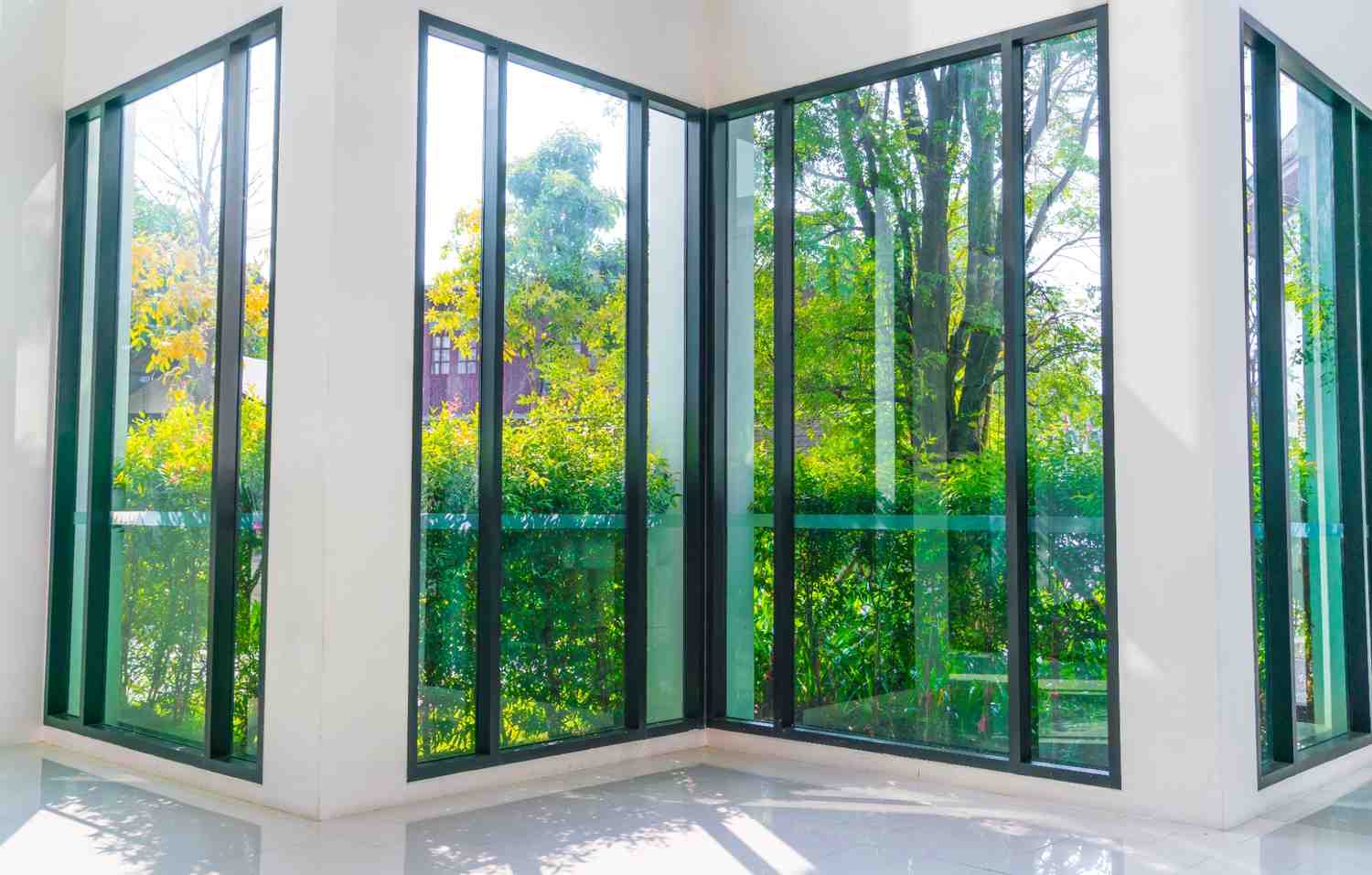
Choosing the right doors for your home is about more than looks. The decision affects space efficiency, natural light, ventilation, energy performance, security, and everyday comfort. Among the most searched comparisons by homeowners today is Sliding Doors vs French Doors, as both styles offer unique advantages for different home layouts and lifestyles.
This comprehensive guide explores the key differences, benefits, and considerations to help you decide which option is best for your home.
Sliding doors are designed with large glass panels that move horizontally along a track. They are widely used for patios, balconies, and garden access due to their sleek appearance and space-saving functionality.
One of the biggest advantages of sliding glass doors is their ability to create a strong visual connection between indoor and outdoor spaces. Their wide glass panels allow abundant daylight to enter the home while maintaining a modern and minimal aesthetic.
While sliding doors offer many benefits, they typically open only partway, meaning the full doorway width is not accessible at once. Track maintenance is also essential to ensure smooth movement and long-term performance.
French doors consist of two hinged panels that open from the center, either inward or outward. Known for their timeless elegance, they are commonly used for garden entrances, balconies, and interior room divisions.
Their symmetrical design and multiple glass panes add architectural character, making them a popular choice for both traditional and transitional homes.
French doors require sufficient space for the panels to swing open, which may not suit compact rooms. Hinges, seals, and locking points may also need periodic maintenance to maintain performance and insulation.
Understanding the functional differences helps homeowners choose the right solution for their needs.
If your home has limited floor space or high foot traffic areas, sliding doors are often the better option. They allow furniture placement close to the doorway without obstruction.
French doors work best in rooms with ample clearance where the doors can open fully without interfering with movement or furnishings.
Both door styles bring daylight into your home, but sliding doors typically offer a larger glass-to-frame ratio. This allows more sunlight and uninterrupted outdoor views.
French doors provide a framed view with multiple glass panels, offering a softer and more traditional visual appeal.
For homeowners prioritizing airflow, French doors allow both panels to open fully, creating excellent cross-ventilation.
Sliding doors provide partial ventilation when opened but still allow fresh air to circulate effectively.
Modern door systems are built with advanced insulation features. Energy efficient glazing options such as double or triple glass, thermal breaks, and weather seals are available for both styles.
Sliding doors often benefit from overlapping panels that reduce air leakage, while French doors rely on quality seals and precise installation to maintain insulation.
When it comes to safety, modern door systems are designed with strong locking mechanisms. Door security can be equally effective for both styles when equipped with multi-point locks, reinforced frames, and toughened or laminated glass.
Sliding doors often include anti-lift features, while French doors rely on secure hinges and advanced locking systems.
Both door types are available in a wide range of materials, allowing homeowners to balance appearance, durability, and maintenance needs.
Material choice plays a significant role in long-term performance and maintenance requirements.
When comparing cost considerations, sliding doors are generally more affordable for wider openings due to simpler hardware and installation. French doors may cost more depending on material selection, customization, and hardware complexity.
Both options offer strong value when chosen based on long-term needs rather than upfront cost alone.
| Feature | Sliding Doors | French Doors |
|---|---|---|
| Space Usage | Excellent | Requires clearance |
| Natural Light | Maximum glass area | Framed glass design |
| Ventilation | Moderate | Excellent |
| Style | Contemporary | Timeless |
| Maintenance | Track cleaning | Hinges and seals |
| Opening Width | Partial | Full access |
If your goal is a modern appearance, uninterrupted views, and efficient use of space, sliding doors are an excellent choice. They work particularly well in apartments, contemporary homes, and compact layouts.
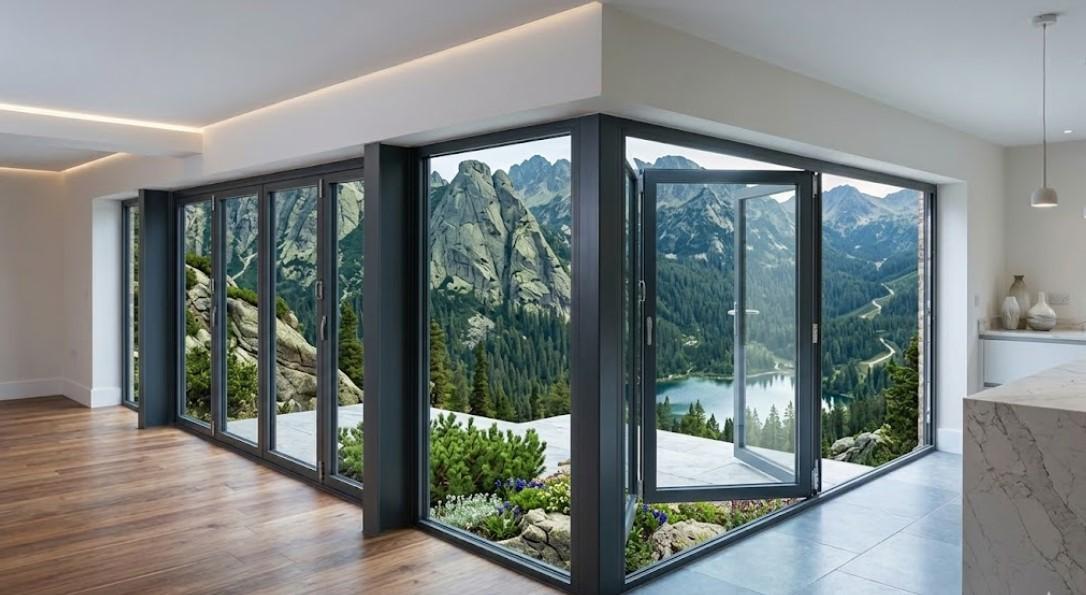
If you are considering flexible openings that combine wide access with modern aesthetics, options like Designer Folding Doors With Slim Sliding Systems In Dubai offer a practical alternative for contemporary homes and outdoor spaces.
If you value elegance, full ventilation, and a classic design statement, French doors may be the better fit, especially in larger homes with adequate space.
There is no universal answer to the sliding doors vs French doors debate. The best choice depends on your home layout, lifestyle, design preferences, and how you plan to use the space daily.
Compare sliding doors vs French doors to choose the best option for your home. Understand differences in space efficiency, natural light, ventilation, energy efficiency, design, security, and cost before deciding.
Both are excellent choices depending on space and style. Sliding doors suit modern, compact homes, while French doors work best in larger spaces needing full opening and ventilation.
Sliding doors usually open only halfway and require regular track cleaning. Lower-quality systems may also have reduced insulation or security if not properly installed.
The best door depends on layout, design preference, and usage. Sliding doors maximize light and space, while French doors add classic style and wide access.
Both are equally safe when fitted with modern locks and toughened glass. Security depends more on build quality and locking systems than door style.
Choosing between sliding doors and French doors comes down to space, style, and lifestyle needs. Both options offer comfort, light, and functionality when selected carefully, making Sliding Doors vs French Doors a smart comparison before investing in your home.
Looking for premium glass doors tailored to your space in the UAE? Murtaza Glass & Frames Trd. L.L.C delivers expert design, precision fabrication, and professional installation across the UAE.
Contact us today for a free consultation and a fast quotation from trusted glass specialists.
March 13, 2026

March 3, 2026
February 24, 2026
February 18, 2026
February 12, 2026
 +971 58 543 0631
