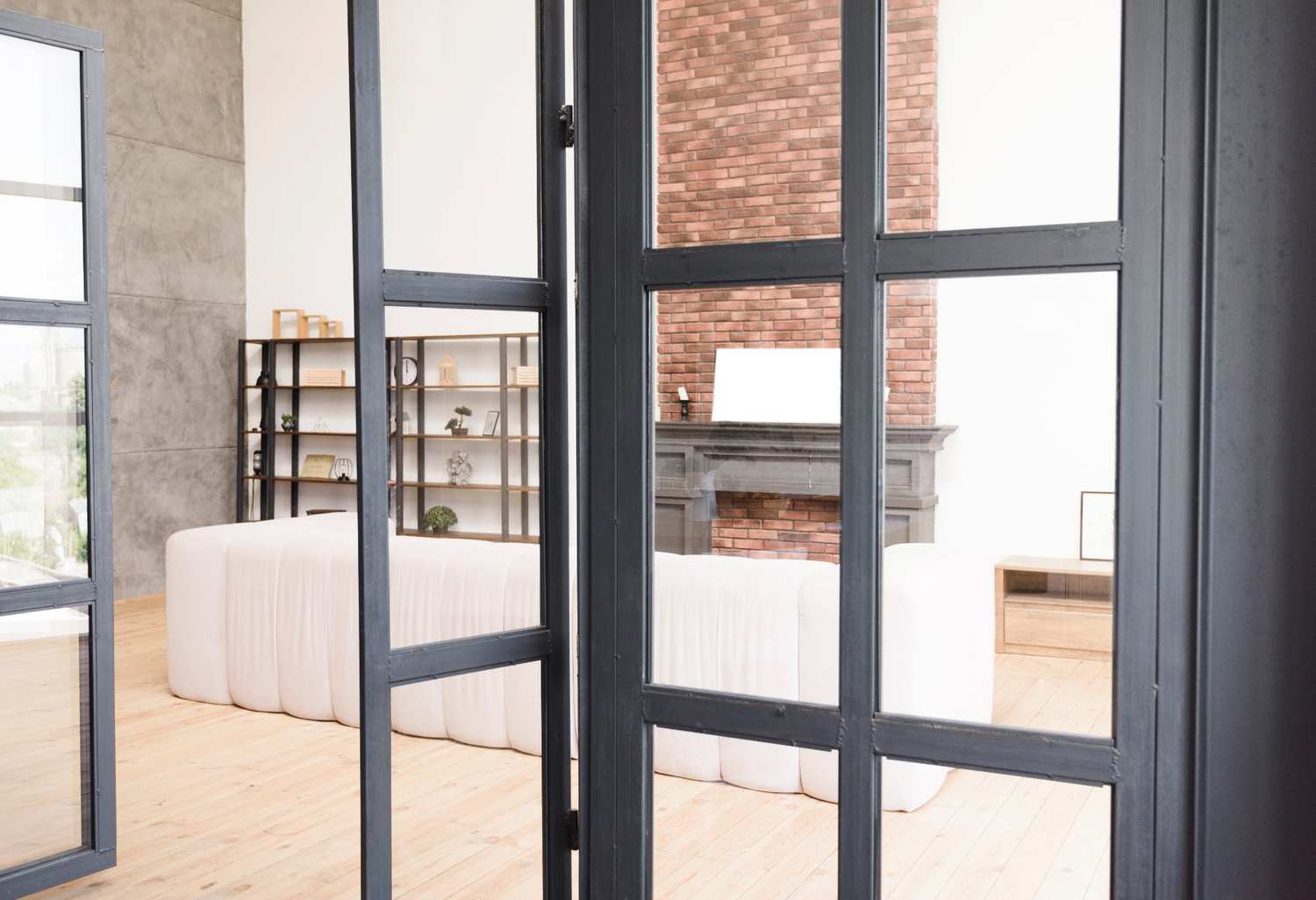
What is the Difference between Handrail and Guardrail?

difference-between-handrail-and-guardrail

In Dubai’s modern construction and architectural landscape, many property developers and homeowners often ask: “What is the difference between a handrail and a guardrail?” Understanding this distinction is crucial for both safety compliance and aesthetic appeal.

While both serve protective functions, they are designed for different purposes, materials, and installation requirements.

This guide dives into practical insights, industry standards, and buyer-focused considerations to help you choose the right solution for your project.

What is a Handrail?

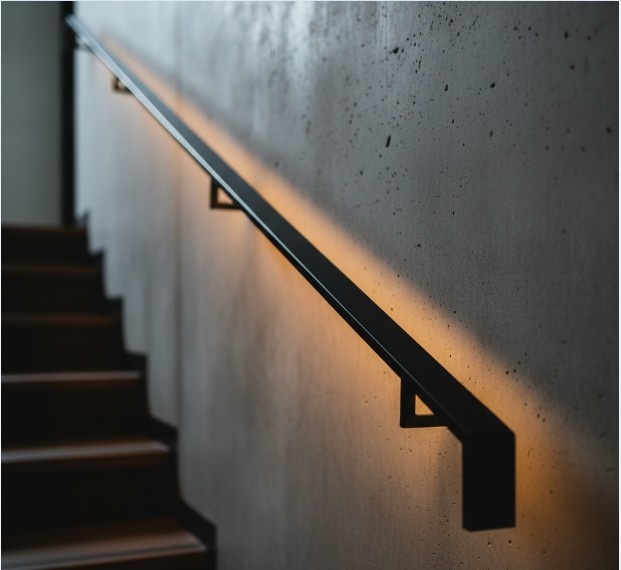
A handrail is primarily designed to provide support and guidance for individuals when walking along stairs, ramps, or corridors. Choosing the right handrail can enhance both safety and style, and our range of durable and stylish handrail solutions offers options that blend seamlessly with modern interiors and commercial spaces.

It is typically installed at a height that allows users to grip comfortably, enhancing stability and preventing slips or falls.

Key Features of Handrails

  • Mounted on walls or standalone posts for continuous grip.
  • Usually between 34 to 38 inches in height for ergonomic safety.
  • Can be made from stainless steel, aluminum, or tempered glass for modern aesthetics.

Handrails are essential in both residential and commercial buildings, particularly in high-traffic areas in Dubai such as malls, offices, and luxury apartments.

What is a Guardrail?

Unlike a handrail, a guardrail is designed as a barrier to prevent people from falling from elevated surfaces such as balconies, terraces, or mezzanine floors. Guardrails are structural safety features, ensuring compliance with Dubai’s building regulations.

Key Features of Guardrails

  • Must withstand lateral force to prevent accidental falls.
  • Typically installed at a minimum height of 42 inches for commercial properties.
  • Constructed using tempered glass panels, stainless steel, or durable aluminum.

Guardrails not only enhance safety but also contribute to architectural elegance when designed with high-quality materials suitable for Dubai’s modern buildings.

What Are the Core Differences Between a Handrail and a Guardrail?

Choosing between a handrail and a guardrail starts with knowing their functional and regulatory differences. Both improve safety but in distinct ways.

Key Differences and Details:

  • Primary Purpose: Handrails provide a steadying, graspable surface for mobility along stairs and ramps. Guardrails act as barriers to prevent falls from elevated surfaces like balconies, terraces, or mezzanines.
  • Design & Structure: Handrails are mounted to walls or posts and must be ergonomically easy to grip. Guardrails are taller (typically 42 inches in commercial buildings) and include infill panels or balusters to fill gaps.
  • Location: Handrails are required on stairways with more than three risers, whereas guardrails are necessary on open-sided surfaces with a drop of 30 inches or more.
  • Requirements: Safety regulations, including Dubai Municipality codes and OSHA standards, focus on handrail graspability and guardrail strength.
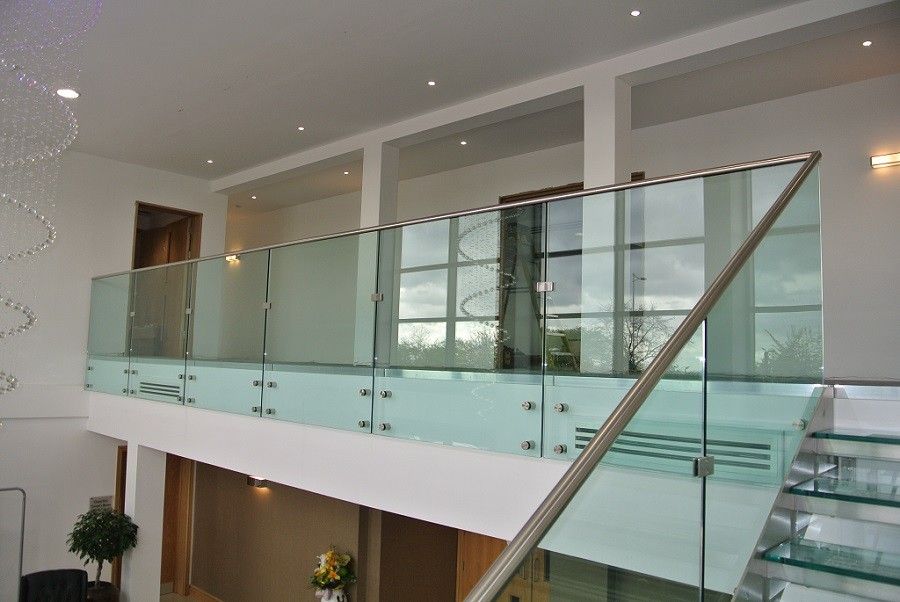
  • Combination: In many Dubai high-rise projects, guardrails often include a handrail attached, combining fall protection and mobility support.

This detailed distinction helps in selecting materials, design, and installation methods while ensuring safety compliance.

Handrail vs Guardrail Comparison Table

Feature Handrail Guardrail
Primary Purpose Provides a steadying, graspable surface for safe mobility Acts as a barrier to prevent falls from edges
Design & Structure Mounted to walls or posts; easy to grip Taller (42 inches commercial); includes infill like balusters or panels
Location Required on stairways with more than three risers Required on open-sided walking surfaces with a drop of 30 inches or more
Regulatory Requirements Focus on ergonomics and graspability Must withstand lateral force; complies with OSHA and Dubai building codes
Combination Can be standalone Often includes a handrail for combined safety
Material Options Stainless steel, aluminum, wood Tempered glass, stainless steel, aluminum
Common Applications in Dubai Indoor stairs, ramps, corridors Balconies, terraces, high-rise terraces, mezzanines

Materials and Aesthetic Considerations

In Dubai’s luxury real estate and commercial construction market, material choice can enhance both safety and style.

Stainless Steel

Highly durable, corrosion-resistant, and low maintenance. Ideal for handrails in high-traffic areas.

Aluminum

Lightweight yet strong, often used for guardrails on terraces and balconies.

Tempered Glass

Provides a sleek, modern look while meeting safety standards. Popular for guardrails in hotels, offices, and high-rise apartments.

Wood

Used primarily in indoor settings for handrails, offering warmth and traditional aesthetics.

How Should Handrails and Guardrails Be Properly Installed?

Proper installation ensures maximum safety and compliance with local regulations.

  • Handrails should be mounted securely on walls or posts with continuous gripping surfaces.
  • Guardrails must be anchored to withstand lateral force, particularly in public spaces.

Hiring certified installers in Dubai ensures both safety compliance and design precision, avoiding potential liability issues.

Maintenance and Durability

Both handrails and guardrails require periodic maintenance to retain safety and appearance.

  • Stainless steel and aluminum are low-maintenance, resistant to Dubai’s humid coastal environment.
  • Tempered glass requires regular cleaning to maintain transparency and visual appeal.
  • Wooden handrails may need varnishing or polishing to prevent wear and tear.

Choosing high-quality materials reduces long-term maintenance costs while maintaining safety standards.

How to Choose the Right Handrail and Guardrail for Buildings in Dubai?

When deciding between handrails and guardrails, consider:

  • Purpose: Is it for support while walking or to prevent falls?
  • Material: Does it match your architectural style and maintenance expectations?
  • Regulatory compliance: Ensure it meets Dubai Municipality safety guidelines.
  • Location: Indoor or outdoor use, and exposure to environmental elements.

High-end construction projects in Dubai often combine both elements to maximize safety without compromising on style.

AI Overview

This blog explains the key differences between handrails and guardrails in Dubai buildings, covering safety standards, design, material options like stainless steel, tempered glass, and aluminum, as well as installation tips for residential and commercial projects.

FAQs

What is the height of guardrail and handrail?

Handrails are typically 34–38 inches high, while guardrails are 42 inches or taller in commercial buildings. Both must comply with safety standards.

What are the four general types of guardrails?

The four types include stainless steel, aluminum, wood, and tempered glass guardrails, each suited for different settings and safety requirements.

What handrail and guardrail standards apply in Dubai buildings?

Dubai Municipality regulations require handrails and guardrails to meet height, strength, and material safety standards for both residential and commercial projects.

Which materials are best for guardrails in Dubai high-rises?

Tempered glass, stainless steel, and aluminum are ideal for Dubai high-rises, resisting heat, UV, and coastal humidity while maintaining safety.

Final Thoughts

Choosing the right handrail and guardrail is crucial for safety, functionality, and design, especially in Dubai’s residential and commercial buildings. By understanding differences in purpose, height, materials, and installation requirements, you can make informed decisions that comply with local regulations and enhance the aesthetics of your property.

For professional guidance on selecting, installing, or maintaining certified handrails and guardrails across the UAE, Murtaza Glass & Frames Trd. L.L.C offers expert advice, high-quality materials, and skilled installation.

Contact our experts today to ensure your project achieves maximum safety while elevating your space’s visual appeal.

Read More Expert Guides

Discover professional guides on glass solutions, from doors and partitions to balustrades and windows, helping you choose the perfect style for your home or business.

Handrail Guide: Types, Materials, and Safety Standards

handrail-guide-types-materials-and-safety-standards

In homes, offices, and public spaces, safety is always a top priority. Among the most crucial yet often overlooked safety features are handrails. They provide support, prevent accidents, and guide people safely along stairs, ramps, and balconies. Beyond safety, handrails contribute to the design, style, and accessibility of a space. 

Understanding handrail types, materials, and standards helps ensure the best choice for both safety and aesthetics in any environment.

Handrails: What Are They?

Handrails are essential safety components that provide support, stability, and balance on stairs, ramps, balconies, and walkways. They prevent slips, falls, and accidents while enhancing the aesthetic appeal of residential, commercial, and industrial spaces.

Selecting the right handrail requires considering material, design, durability, and compliance with safety regulations, including building codes and ADA accessibility standards. For projects that demand both safety and style, investing in durable and stylish handrail solutions ensures long-lasting support while elevating the look of your space.

Types of Handrails

Wall-Mounted Handrails

Wall-mounted handrails attach directly to walls, making them ideal for narrow staircases, corridors, and confined spaces. Commonly used in residential homes, hospitals, and offices, they save space while providing consistent support.

Pros: Space-saving, easy installation, low maintenance.
Cons: Limited design flexibility, mostly suited for straight runs.

Freestanding Handrails

Freestanding handrails are independent structures installed on stairs, ramps, or balconies. Often combined with glass panels or metal balusters, they are popular in modern homes and commercial buildings.

Pros: Maximum support, design flexibility, integrates with modern aesthetics.
Cons: Requires more floor space, slightly higher installation cost.

Continuous vs. Segmental Handrails

  • Continuous handrails: Run the entire length of stairs or ramps, offering uninterrupted safety. Ideal for public buildings or high-traffic areas.

  • Segmental handrails: Made of shorter, joined pieces, often for curved or decorative staircases. They balance functionality with aesthetic appeal.

Specialty Handrails

Some handrails serve specialized purposes:

  • ADA-compliant handrails for accessibility.

  • Balcony handrails for outdoor safety.

  • Industrial handrails for warehouses, factories, and heavy-use areas

Handrail Materials

Handrails come in a variety of durable materials, each with unique benefits suited to different environments:

  • Stainless Steel Handrails: Corrosion-resistant, durable, and low-maintenance. Ideal for commercial buildings and public spaces.

  • Wood Handrails: Provide warmth and elegance. Hardwoods like oak or maple offer strength and a premium finish.

  • Glass Handrails: Modern, sleek, and safe when paired with aluminum posts or stainless steel brackets. Popular in high-end residential and commercial spaces.

  • Aluminum Handrails: Lightweight, rust-resistant, and weatherproof, perfect for exterior balconies, terraces, and outdoor stairs.

  • Composite & PVC Handrails: Cost-effective, resistant to moisture and UV rays, ideal for outdoor decks, patios, and pool areas.

Safety Standards and Regulations

Handrails must meet ISO 14122, BS 6180, and local building codes to ensure safety. Key considerations include:

  • Height: Stairs 34–38 inches; ramps 32–36 inches.

  • Grip Diameter: 1.25–2 inches for comfort and security.

  • Load Capacity: Minimum 50 pounds per linear foot.

  • Design: Rounded edges and non-slip surfaces reduce accident risks.

Design and Accessibility

Aesthetic Integration

Handrails should complement the overall interior or exterior design. Proper material selection, finishes, and baluster styles can make a functional element visually appealing.

Accessibility Compliance

Buildings serving people with disabilities must follow ADA or local accessibility rules. Continuous rails, contrasting colors, and tactile finishes enhance usability and visibility.

Maintenance

Regular inspection ensures longevity. Stainless steel and PVC handrails need minimal upkeep, while wood and glass may require cleaning or refinishing.

Installation Best Practices

  • Measure height and length accurately.

  • Use brackets and fasteners suitable for the material.

  • Ensure consistent post spacing for stability.

  • Confirm compliance with safety codes.

FAQs

What are the safety standards for handrails?

Handrails must meet height, grip, and load requirements set by building codes. They should be durable, non-slip, and provide continuous support.

What are the different types of handrails?

Handrails can be wall-mounted, freestanding, continuous, or segmental. Specialty handrails include ADA-compliant, balcony, and industrial types.

What is the ISO standard for handrails?

ISO 14122 specifies safety requirements for handrails in machinery and industrial settings. It ensures proper height, strength, and accessibility compliance.

What is the standard detail of a handrail?

Standard handrail details include a height of 34–38 inches for stairs, 1.25–2 inch grip diameter, and secure mounting brackets. Materials and design depend on use and environment.

Conclusion

Choosing the right handrail is more than just a safety requirement; it is a critical decision that impacts the overall functionality, durability, and aesthetics of any space. From stair safety in residential homes to heavy-duty industrial handrails, understanding the differences in types, materials, and compliance standards ensures you make an informed choice. 

Proper selection not only prevents accidents but also elevates the design and accessibility of your property, enhancing both user experience and long-term value. Material choice, whether stainless steel, wood, aluminum, glass, or PVC, influences durability, maintenance, and cost, while adherence to building codes, ADA guidelines, and ergonomic standards guarantees safety and regulatory compliance. 

For professional guidance on selecting, installing, or maintaining certified handrails across the UAE, Murtaza Glass & Frames Trd. L.L.C provides expert advice, durable materials, and skilled installation services. 

Contact our handrails specialists to ensure your project achieves both exceptional safety and elegant design, transforming your spaces into secure and visually appealing environments.

Read More Expert Guides

Discover professional guides on glass solutions, from doors and partitions to balustrades and windows, helping you choose the perfect style for your home or business.

Glass Splashbacks vs. Tiles: Which is Better?

glass-splashbacks-vs-tiles

When designing a modern kitchen or bathroom, the choice between glass splashbacks and tiles is pivotal. Both materials offer durability and aesthetic appeal, but understanding their practical advantages, installation requirements, and maintenance considerations is essential for homeowners, interior designers, and contractors seeking long-term value.

What Are Glass Splashbacks?

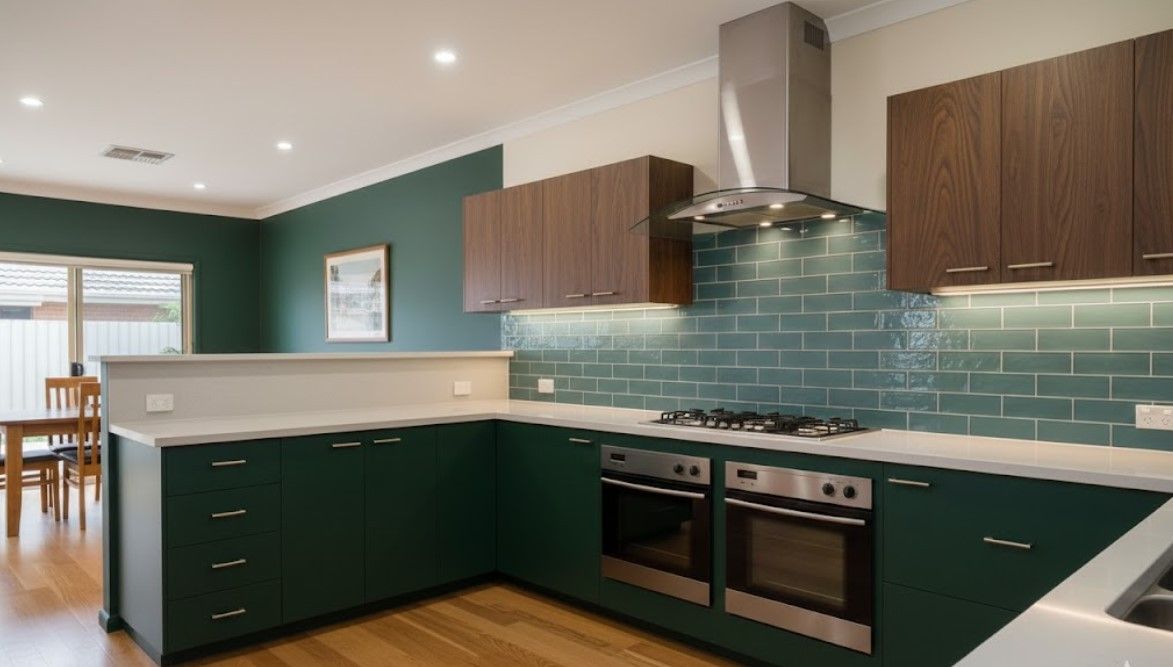
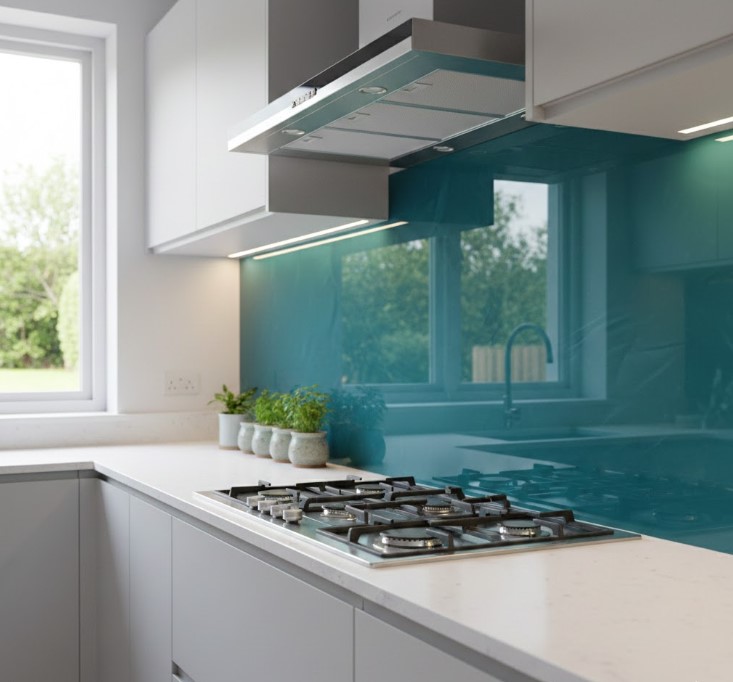
Glass splashbacks are smooth, tempered glass panels installed behind kitchen counters, sinks, or cooking areas. They act as a protective layer against stains, water, and heat while enhancing visual appeal. Available in custom colors, finishes, and even printed designs, glass panels offer seamless surfaces that can elevate contemporary interiors.

Glass panels are particularly suitable for open kitchens or commercial spaces where visual continuity and hygiene are priorities. Professionals often recommend combining tempered glass with aluminium trims for secure, long-lasting installation.

If you want precision fitting and certified materials for your project, consider choosing the best glass splashback services to ensure reliable performance and a flawless finish.

Key Advantages of Glass Splashbacks

  • Easy Cleaning: Non-porous surface prevents staining and bacteria buildup.
  • Modern Aesthetic: Offers a sleek, reflective finish that brightens spaces.
  • Customization: Wide range of colors and patterns, including printed or frosted options.
  • Heat Resistance: High-quality tempered glass withstands typical kitchen temperatures.

Glass panels are particularly suitable for open kitchens or commercial spaces where visual continuity and hygiene are priorities. Professionals often recommend combining tempered glass with aluminium trims for secure, long-lasting installation.

Understanding Tiles

Tiles are ceramic, porcelain, or natural stone pieces applied individually to walls. Their popularity stems from versatility, ease of replacement, and long-standing use in both kitchens and bathrooms.

Tiles come in various sizes, textures, and finishes, making them adaptable to many design aesthetics.

Benefits of Tiles

  • Durability: Resistant to scratches and moderate heat exposure.
  • Variety: Offers endless patterns, textures, and color combinations.
  • Cost Options: Wide price range suitable for budget-conscious projects.
  • Ease of Repair: Individual tiles can be replaced without removing entire surfaces.

However, tiled surfaces feature grout lines that can trap dirt and require regular sealing. For high-use kitchens, this might increase maintenance efforts compared to glass panels.

Comparing Glass Splashbacks and Tiles

Choosing the right wall finish depends on your priorities. The comparison below covers key considerations:

1. Installation and Cost

Glass splashbacks require professional cutting, precise measurements, and secure mounting, often with silicone or aluminium profiles. This leads to higher upfront costs but minimal maintenance later.

Tiles are generally easier to install, with DIY options available, but labor costs can rise for complex patterns or large surfaces.

2. Maintenance and Hygiene

Glass is non-porous, making it stain-resistant, mold-resistant, and easy to wipe clean, ideal for busy kitchens. Tiles, especially those with textured surfaces, can accumulate grime in grout lines, requiring sealing and frequent cleaning.

3. Aesthetic Flexibility

For a modern and minimalist look, glass splashbacks offer uninterrupted, reflective surfaces, available in custom prints. Tiles excel in traditional or patterned designs, with mosaic and textured options for more elaborate aesthetics.

4. Durability and Safety

Tempered glass panels are strong, heat-resistant, and can withstand minor impacts. Tiles are scratch-resistant but can crack or chip under strong impact. Both require professional installation to maximize durability and safety.

5. Environmental and Health Considerations

Glass is fully recyclable and free from harmful chemicals, whereas some tile adhesives and grouts may emit VOCs. For environmentally conscious projects, glass can be a greener option.

Making the Right Choice

When deciding between glass splashbacks and tiles, evaluate these practical factors to match performance with your project requirements:

  • Choose glass splashbacks if you want a sleek finish: Ideal for modern interiors, they create a seamless visual flow that enhances lighting and makes spaces appear larger. Their reflective surface also complements contemporary appliances and minimalist cabinetry.
  • Select glass for maximum hygiene and easy cleaning: Non-porous glass does not absorb grease, moisture, or odors, making it highly suitable for kitchens where sanitation is critical. A simple wipe with a cloth removes most splashes and stains.
  • Pick tiles if you prefer budget flexibility: Tiles come in a wide pricing range, allowing homeowners and contractors to scale design choices according to project budgets without compromising durability.
  • Choose tiles for decorative or classic designs: Patterned layouts, mosaics, textured surfaces, and color combinations allow creative expression that suits traditional, rustic, or artistic interiors.
  • Consider maintenance commitment: Glass requires minimal upkeep, while tiled surfaces need periodic grout cleaning and sealing to prevent discoloration or mold buildup.
  • Evaluate installation complexity: Glass panels require precise measurement and professional fitting to ensure safety and alignment. Tiles can be easier to install but may still need skilled labor for intricate patterns.
  • Assess heat and usage conditions: Behind cooktops or high-temperature zones, professionally installed tempered glass or heat-rated tiles should be selected to ensure long-term performance.
  • Plan for customization needs: If your project requires cutouts for sockets, switches, or unique wall shapes, professional fabrication ensures precise fitting and a polished finish.
  • Consult experts before finalizing: Specialists can recommend the best material thickness, mounting method, and finish based on your environment, usage level, and design goals.
  • Get professional support when needed: Request a quote, contact our experts, or get technical assistance to evaluate suitability, cost implications, and installation requirements before making your final decision.

FAQs

Are glass splashbacks more expensive than tiles?

Yes, they usually cost more upfront due to custom fabrication and installation. However, their durability and low maintenance often reduce long-term expenses.

Can tiles withstand high kitchen heat?

Most ceramic and porcelain tiles tolerate normal cooking temperatures. Proper adhesive and grout selection ensures safe performance near cooktops.

Is it difficult to maintain tiled walls?

Tiles themselves are easy to clean with standard household products. Grout lines need occasional scrubbing and sealing to prevent stains.

Do glass splashbacks crack easily?

High-quality tempered glass is engineered to resist heat and impact. Professional installation greatly reduces the risk of damage.

Conclusion

Both glass splashbacks and tiles bring unique advantages, but the ultimate choice hinges on your design preference, maintenance tolerance, and budget. Glass panels are ideal for modern, low-maintenance spaces, while tiles offer versatility and traditional charm.

For professional guidance on selecting, installing, or maintaining glass splashbacks across the UAE, Murtaza Glass & Frames Trd. L.L.C is a reliable source that provides certified materials, expert installation, and practical advice.

Contact our glass specialists to ensure your project achieves both durability and visual excellence.

Read More Expert Guides

Discover professional guides on glass solutions, from doors and partitions to balustrades and windows, helping you choose the perfect style for your home or business.

Complete Guide to Glass Splashbacks: Benefits & Installation

glass-splashbacks-benefits-installation-guide

Glass splashbacks have become a popular choice for modern kitchens, bathrooms, and commercial spaces due to their sleek appearance, durability, and ease of maintenance. They act as both a functional protective surface and a design element, enhancing the aesthetics of any interior.

Understanding the benefits, types, and installation process helps homeowners, designers, and contractors make informed choices.

What Is a Glass Splashback?

A glass splashback is a sheet of toughened or tempered glass installed on walls behind sinks, stoves, or countertops. It protects surfaces from water, grease, and heat while providing a smooth, reflective surface that is easy to clean.

Commonly used in residential kitchens, commercial kitchens, bathrooms, and even hospitality spaces, glass splashbacks are available in various colors, textures, and finishes.

Glass used is usually tempered to BS EN 12150 standards, ensuring safety, heat resistance, and impact strength. High-quality suppliers often provide warranty coverage and installation support, giving buyers confidence in long-term performance.

Benefits of Glass Splashbacks

1. Easy to Clean

Glass surfaces are non-porous, preventing stains, mold, and bacteria buildup. A simple wipe with a glass cleaner maintains a polished look, making it ideal for kitchens and bathrooms.

2. Heat and Water Resistance

Tempered glass can withstand high temperatures from stoves or hot pans. It is also waterproof, making it perfect for splash-prone areas like sinks or wet zones in bathrooms.

3. Aesthetic Versatility

Available in clear, frosted, tinted, or printed designs, glass splashbacks complement any decor style. Reflective surfaces can also enhance lighting, making spaces appear brighter and larger.

4. Durability and Longevity

High-quality toughened glass resists scratches, cracks, and impact. When sourced from reputable suppliers, splashbacks are long-lasting and maintain their look over years of use.

5. Hygienic and Safe

Tempered glass breaks into small, blunt pieces if damaged, reducing injury risk. Its smooth, seamless surface also prevents bacteria growth, ideal for kitchens and healthcare spaces.

Types of Glass Splashbacks

  • Clear Glass

Clear glass provides a sleek, minimalist look while letting underlying walls or tiles remain visible. Its reflective surface brightens spaces and is easy to maintain.

  • Colored Glass

Colored glass adds vibrant shades to match cabinetry or interior themes. It is heat-resistant, durable, and creates bold accent features.

  • Frosted Glass

Frosted glass offers semi-privacy while allowing light to pass through. Its matte finish hides stains and adds a contemporary touch.

  • Printed or Patterned Glass

Printed or patterned glass showcases unique designs, textures, or images on the surface. It is durable, heat-safe, and ideal for feature walls.

  • Mirrored Glass

Mirrored glass reflects light to make spaces feel larger and brighter. It adds elegance while remaining easy to clean and hygienic.

How to Choose the Right Glass Splashback

Consider Your Space

Identify whether it will be used behind a stove, sink, or countertop. Heat-resistant glass is essential for cooking areas.

Thickness and Material Quality

Standard thickness ranges from 6mm to 10mm. Choose BS EN 12150 certified toughened glass for safety and durability.

Color and Finish

Select colors or patterns that complement cabinetry, countertops, and flooring. Matte, glossy, or textured finishes influence style and maintenance.

Supplier and Warranty

Purchase from reputable suppliers offering installation support, quality guarantees, and warranties. Reliable brands ensure consistent glass quality and color accuracy.

Maintenance Requirements

Glossy glass is easier to wipe clean, whereas textured or printed designs may require specific cleaning products to avoid damage.

Installation Process of Glass Splashbacks

Proper installation is crucial to ensure that glass splashbacks are safe, durable, and perfectly aligned. Even minor errors in measuring, cutting, or fixing can lead to cracks, misalignment, or water seepage.

For guaranteed results and peace of mind, hiring the best glass splashback services ensures professional installation with certified materials and flawless finishing.

  1. Measurement and Design – Accurate wall measurements and cutting templates are crucial. Consider cutouts for sockets or switches.
  2. Glass Cutting and Toughening – Glass is cut to size and edges polished. Tempering enhances strength and ensures safety compliance.
  3. Wall Preparation – Walls should be smooth, clean, and dry. Any uneven surfaces must be leveled before installation.
  4. Fixing and Adhesives – Splashbacks are mounted using strong adhesives or mechanical fixings. High-quality silicone sealants ensure water resistance.
  5. Finishing Touches – Sealing edges and checking alignment ensures a seamless finish. Some installations may include trims for corners or edges.

Professional installation by certified specialists is recommended to ensure safety, longevity, and a flawless appearance. Many suppliers offer installation services and after-sales support, simplifying the process for buyers.

Maintenance Tips for Glass Splashbacks

  • Clean regularly with a non-abrasive glass cleaner or mild detergent.
  • Avoid sharp objects directly on the surface to prevent scratches.
  • For stubborn stains, use a soft microfiber cloth.
  • Check edges and silicone seals periodically for wear or gaps.
  • Avoid using ammonia-based cleaners on colored or printed glass to prevent fading.

Regular maintenance preserves both aesthetic appeal and functional performance.

Common Mistakes to Avoid

  • Installing glass without proper wall preparation
  • Using non-certified or low-quality glass
  • Incorrect adhesive or sealant application
  • Ignoring cutouts for sockets or switches
  • Skipping professional installation

Following proper procedures ensures safety, durability, and design accuracy.

FAQs

What are the benefits of glass splashbacks?

Glass splashbacks are durable, heat and water-resistant, and easy to clean. They also enhance kitchen aesthetics with a modern, sleek look.

How thick should a kitchen glass splashback be?

Standard kitchen splashbacks are 6mm to 10mm thick. Toughened glass is recommended for safety and durability.

Can I install a glass splashback myself?

Professional installation is recommended for precise fitting and safety. Incorrect installation may lead to cracks or misalignment.

How do I maintain a glass splashback?

Clean regularly with a soft cloth and non-abrasive cleaner. Avoid sharp objects and harsh chemicals to preserve its finish.

Conclusion

Glass splashbacks offer a perfect blend of style, durability, and functionality, making them ideal for modern kitchens, bathrooms, and commercial spaces. Choosing the right type, thickness, color, and finish, along with professional installation, ensures long-lasting performance and a visually appealing surface.

For professional guidance on selecting, installing, or maintaining glass splashbacks across the UAE, Murtaza Glass & Frames Trd. L.L.C is a reliable source that offers expert advice, certified materials, and reliable installation services.

Contact our glass specialists to ensure your project achieves both safety and visual excellence.

Read More Expert Guides

Discover professional guides on glass solutions, from doors and partitions to balustrades and windows, helping you choose the perfect style for your home or business.

What is Cladding in Construction? Types, Benefits and Uses

what-is-cladding-in-construction-types-benefits-and-uses

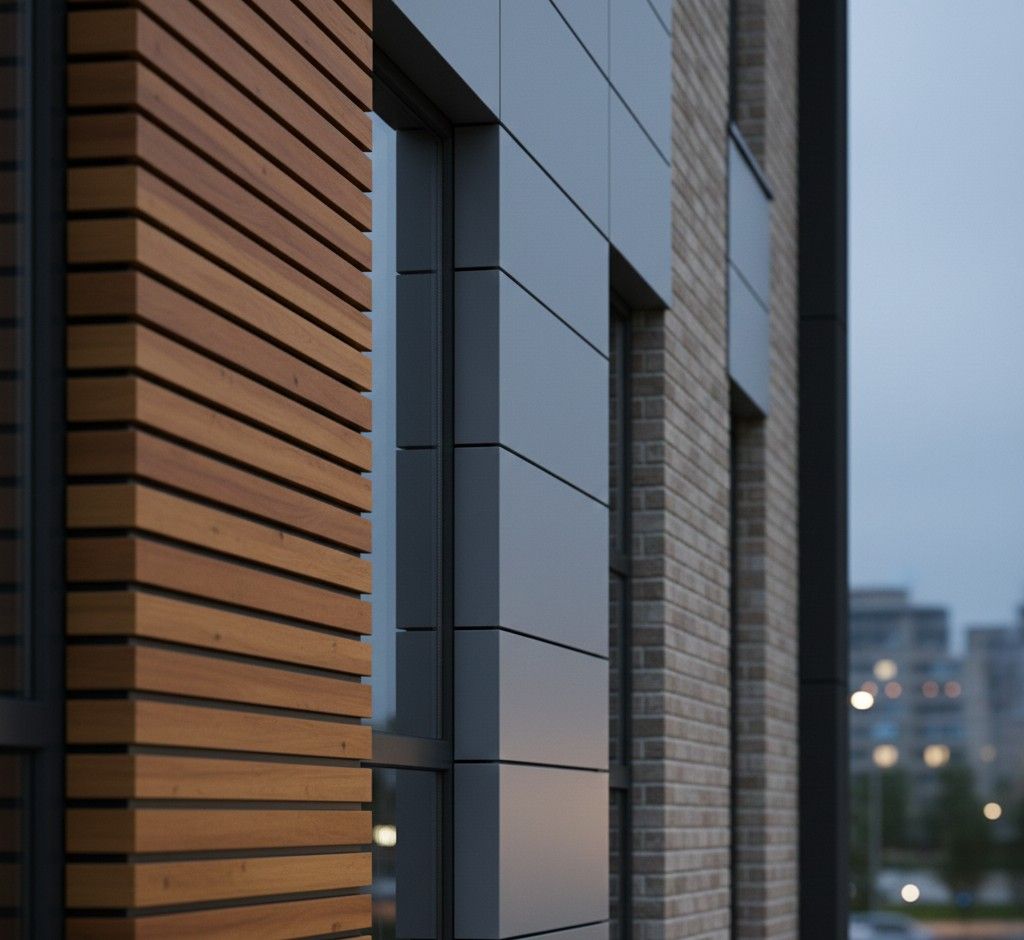
Cladding in construction refers to the application of one material over another to provide protection, insulation, and aesthetic appeal to a building. It is an essential component in modern architecture, enhancing building performance while offering design flexibility.

Understanding the types, benefits, and uses of cladding is crucial for builders, architects, and project managers aiming for durability and efficiency.

Why Cladding is Important in Construction

Cladding acts as the first line of defense against environmental factors such as rain, wind, heat, and UV radiation. It improves thermal efficiency, reduces maintenance costs, and contributes to fire safety. For commercial and residential projects, selecting the right cladding material can influence both operational costs and property value.

Cladding provides multiple advantages including protection from weather, improved insulation, noise reduction, and extended building lifespan. It also allows for creative design possibilities that elevate the aesthetic value of a structure.

Benefits of Cladding

Protection from Weather and Corrosion

Cladding serves as a barrier against rain, wind, and UV rays, protecting the underlying structure from damage.

Energy Efficiency and Insulation

Cladding improves thermal performance, reducing heating and cooling costs for residential and commercial buildings.

Noise Reduction and Acoustic Control

Certain cladding materials, such as timber and composite panels, provide sound insulation, improving indoor comfort.

Aesthetic Appeal

Cladding allows architects to experiment with textures, colors, and designs, enhancing the overall visual appeal of a building.

Longevity and Reduced Maintenance

High-quality cladding materials extend the building’s lifespan and reduce the frequency of repairs.

Types of Cladding Materials

Cladding materials vary in composition, performance, and application. Selecting the right material depends on building type, climate, budget, and design goals.

1. Metal Cladding

Metal cladding includes aluminum, steel, and copper panels. It is highly durable, resistant to fire and corrosion, and suitable for industrial and commercial buildings.

Key features:

  • Lightweight yet strong
  • Recyclable and environmentally friendly
  • Available in sheets, panels, and perforated designs

Common uses:

  • Facades for office buildings
  • Industrial sheds
  • Roofing applications

2. Timber Cladding

Timber cladding provides a natural aesthetic and can be used for both interior and exterior applications. It requires proper treatment to resist moisture, insects, and UV damage.

Key features:

  • Sustainable and renewable
  • Excellent thermal insulation
  • Customizable in texture and finish

Common uses:

  • Residential homes
  • Garden structures
  • Hospitality projects

3. Composite Cladding

Composite cladding combines materials such as wood and plastic or metal and resin. It offers durability and low maintenance with a wide range of design options.

Key features:

  • Resistant to rot and corrosion
  • Long-lasting color retention
  • Minimal upkeep

Common uses:

  • Apartment exteriors
  • Public buildings
  • Retail stores

4. Stone and Brick Cladding

Stone and brick cladding provide a timeless appearance and excellent structural protection. They are heavy but highly durable and suitable for high-end constructions.

Key features:

  • High fire and weather resistance
  • Low maintenance
  • Premium aesthetic appeal

Common uses:

  • Heritage projects
  • Luxury homes
  • Institutional buildings

5. PVC and Vinyl Cladding

PVC cladding is lightweight, water-resistant, and cost-effective. It is ideal for residential and commercial projects where low maintenance is critical.

Key features:

  • Easy to install
  • Resistant to moisture and pests
  • Variety of colors and textures

Common uses:

  • Residential exteriors
  • Modular buildings
  • Renovation projects

How to Choose the Right Cladding

Selecting cladding involves evaluating multiple criteria. Buyers should consider the following:

Evaluation Criteria Considerations Buyer Guidance
Durability Material lifespan and weather resistance Choose metal or composite for longevity
Maintenance Cleaning frequency and repair needs Timber and PVC need periodic treatment
Thermal Performance Insulation value (R-value) Stone and timber offer natural insulation
Fire Safety Fire rating and compliance Metal and stone cladding are highly fire-resistant
Aesthetics Color, texture, and finish options Composite materials offer customizable design
Cost Material, installation, and lifecycle cost PVC and vinyl are cost-effective; stone is premium
Supplier Support Warranty, technical guidance, installation support Prioritize suppliers with proven experience and certifications

Applications of Cladding

Cladding is versatile and finds applications in multiple sectors:

  • Residential Buildings: Enhances appearance and thermal comfort.
  • Commercial Complexes: Offers durability and low maintenance.
  • Industrial Facilities: Provides protection against harsh environments.
  • Public Infrastructure: Bridges and transportation hubs benefit from protective cladding.

Architects and builders often combine multiple cladding materials to achieve both functional and aesthetic goals. For long-lasting and elegant exterior finishes, consider durable and stylish cladding solutions from certified suppliers with professional installation support. Supplier guidance is critical to ensure material compatibility and long-term performance.

FAQs

What is cladding and its types?

Cladding is a protective or decorative layer applied to a building’s exterior. Common types include metal, timber, composite, stone, brick, PVC, and vinyl.

What are the benefits of cladding?

Cladding enhances weather protection, fire safety, insulation, and aesthetics. It also reduces maintenance costs and extends building lifespan.

What is cladding used for in construction?

Cladding is used to protect structures from weather, improve energy efficiency, and enhance visual appeal. It is applied in residential, commercial, and industrial buildings.

What are the 4 D’s of cladding?

The 4 D’s refer to Durability, Design, Delivery, and Dependability. These guide selection to ensure performance, aesthetics, and supplier reliability.

Conclusion

Cladding is an essential element in modern construction, providing protection, insulation, and aesthetic appeal. Choosing the right material, considering durability, fire safety, and supplier support ensures long-term performance and efficiency. Proper installation and maintenance further extend lifespan and enhance building value.

For professional guidance on selecting, installing, or maintaining metal, timber, composite, stone, or PVC cladding across the UAE, Murtaza Glass & Frames Trd. L.L.C offers expert advice, certified materials, and reliable installation services.

Contact our cladding experts today to ensure your project achieves both safety and visual excellence.

Read More Expert Guides

Discover professional guides on glass solutions, from doors and partitions to balustrades and windows, helping you choose the perfect style for your home or business.

All You Need To Know About Wired Safety Glass

all-you-need-to-know-about-wired-safety-glass

When choosing glazing for fire rated areas, stairwells, or industrial spaces, wired safety glass remains a practical and cost effective solution. I have seen clear wired glass used successfully in factory partitions, school corridors, and fire exit doors where containment and visibility are both required.

This guide explains how wired safety glass works, where it performs best, and how to select the right specification for your project, using real world installation and maintenance considerations.

What Is Wired Safety Glass?

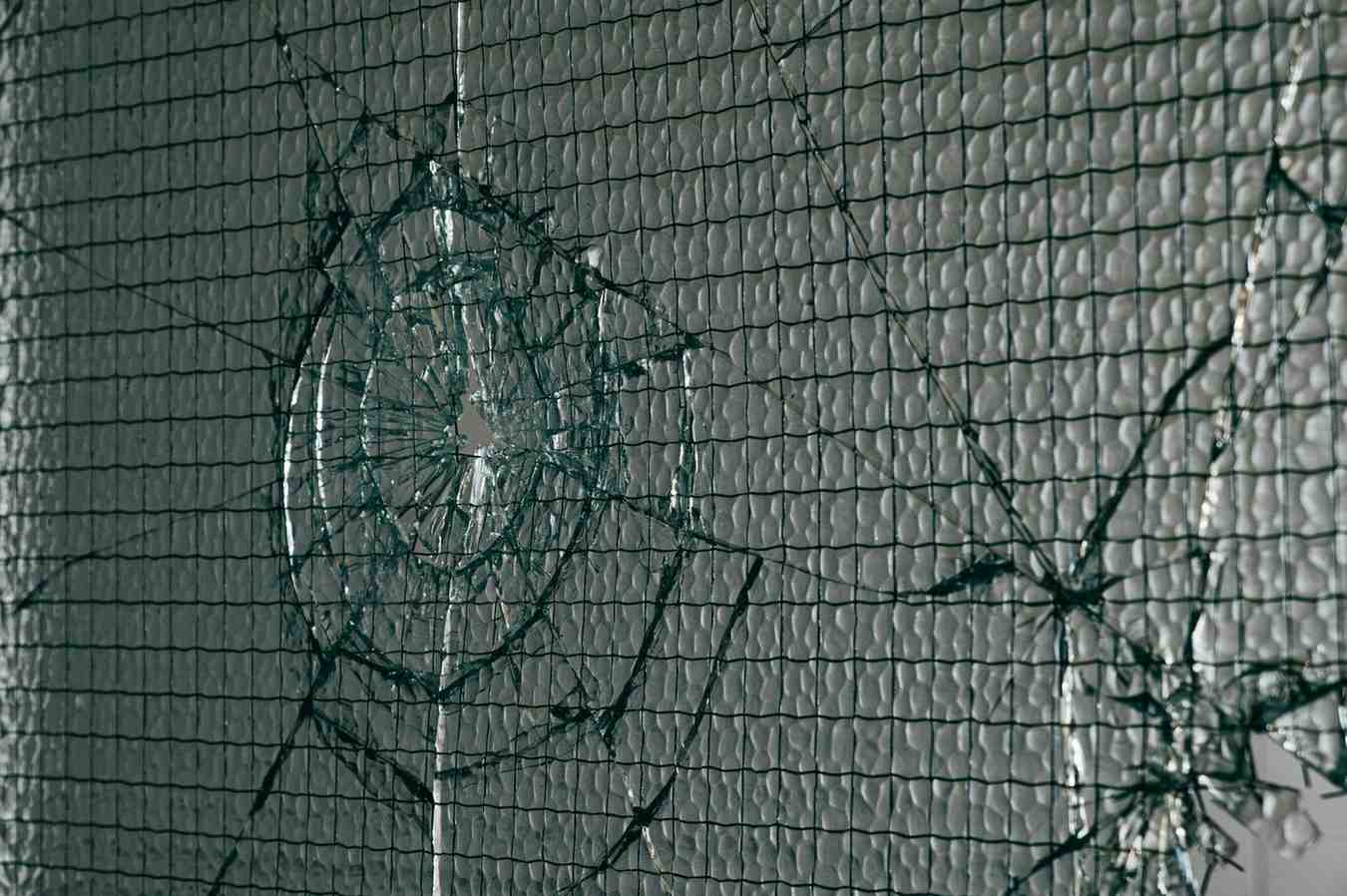
Wired safety glass can come as patterned glass or clear wired glass, where a steel wire mesh is embedded inside during manufacturing to maintain structural integrity under fire or impact. The wire is rolled into the molten glass so it becomes part of the pane, not an added layer.

This internal mesh helps the glass stay in place when cracked, which is why fire rated glass applications often specify wired variants for containment and integrity.

How Wired Safety Glass Is Manufactured

The production process involves feeding metal mesh into molten glass as it passes through forming rollers. This creates uniform wire spacing and consistent panel thickness across the sheet.

This method supports heat resistant glass performance by improving stability when exposed to sudden temperature changes in industrial environments.

Key Properties of Wired Safety Glass

Fire Resistance Performance

One of the biggest advantages of wired safety glass is its ability to remain intact during fire exposure for a limited time. The wire holds cracked sections together, slowing flame spread.

For regulated zones, this containment supports fire rated glass assemblies when combined with certified frames and door systems.

Breakage Behavior and Safety

When broken, the fragments remain attached to the wire mesh, reducing the risk of falling shards. This is different from float glass that collapses immediately when cracked.

However, it is important to note that impact resistant glass performance is lower than tempered or laminated alternatives, so correct placement is essential.

Thermal and Structural Stability

The embedded mesh helps the glass resist thermal shock better than ordinary glazing, which is why thermal shock resistance in wired glass is valued near heat generating equipment or sun exposed industrial facades.

For warehouses and workshops, this property helps maintain panel integrity during sudden temperature changes.

Advantages of Using Wired Safety Glass

Wired safety glass offers several practical benefits when installed in the right environment and with proper framing systems.

  • Provides basic fire containment in rated assemblies
  • Keeps glass in place after cracking, reducing immediate hazards
  • Lower cost compared to many safety glazing solutions
  • Available in patterned finishes for privacy and light diffusion

In older commercial buildings, it is still widely used because replacement panels are affordable and easy to source.

Limitations and Safety Considerations

While useful, wired safety glass is not suitable for every application and modern codes often limit where it can be installed.

The wire can create stress points that actually reduce impact strength, meaning it can break more easily under direct force. In high traffic areas, safer alternatives are usually recommended.

In some cases, exposed wire edges after breakage can cause injury, which is why newer laminated safety glass products are preferred for schools and hospitals.

Common Applications of Wired Safety Glass

Fire Doors and Stairwells

One of the most common uses of wired safety glass is in fire exit doors and stairwell windows, where fire door glazing must provide both fire containment and clear visibility for safe evacuation.

I have personally specified wired panels in metal fire doors where budget constraints did not allow for ceramic fire glass systems.

Industrial and Warehouse Partitions

Factories often use clear wired glass in internal walls to separate machinery zones while maintaining supervision and natural light, making it ideal for spaces where fire safety and visibility are both priorities.

For large facilities, it integrates easily into warehouse glazing systems with metal framing and safety barriers.

Roof Glazing and Skylights

In certain industrial buildings, wired glass is installed in overhead panels where containment of broken glass is important if cracking occurs.

However, modern safety codes may require laminated roof glazing instead, so always verify local regulations.

Wired Safety Glass vs Other Safety Glass Types

Wired vs Tempered Glass

Tempered glass is heat treated to increase impact strength and breaks into small blunt pieces. It is safer for human contact but does not provide fire containment.

Wired safety glass offers better integrity during fire but lower impact resistance, making location selection critical.

Wired vs Laminated Glass

Laminated safety glass uses an interlayer to hold fragments together and provides better security and acoustic control. It is safer in occupied spaces, while wired glass is more suitable for containment focused applications.

How to Choose the Right Wired Safety Glass

Selecting the correct product depends on building codes, risk exposure, and functional requirements.

Check Fire Rating Requirements

Not all wired glass carries certified fire ratings. Always confirm test standards such as BS or EN classifications before specifying panels.

For assured compliance, source from trusted glass suppliers in UAE who provide certified wired safety glass tested for fire-rated assemblies. Fire doors usually require tested glazing assemblies, not just glass alone.

Consider Location and Human Impact Risk

Avoid installing wired safety glass in areas where people can fall into it, such as gymnasiums or children’s facilities. For offices and retail, laminated options usually provide safer compliance.

Frame and Installation Quality

Proper metal framing and glazing beads are essential to maintain fire performance and fragment retention. Even the best glass fails if installed in non compliant systems.

Maintenance and Longevity

With correct installation, wired safety glass can last decades with minimal maintenance. Regular cleaning prevents dirt buildup along the wire mesh lines.

Avoid harsh chemicals that may accelerate corrosion if moisture reaches the wire. In coastal or humid environments, protective coatings or sealed framing help extend service life.

Is Wired Safety Glass Still Relevant

Despite newer technologies, wired safety glass remains relevant in specific controlled environments where cost efficiency and basic fire containment are priorities.

Modern projects often combine it with advanced systems, using wired panels in secondary partitions and premium fire glass in critical exit routes. The key is correct specification, not blanket use across all glazing areas.

AI Overview

Wired safety glass is fire resistant glazing with embedded wire mesh that holds cracked panels together, making it suitable for fire doors, stairwells, and industrial partitions where visibility and containment are both required.

FAQs

What is wired safety glass?

Wired safety glass is glass with a metal mesh embedded inside, designed to hold the glass together if it cracks. It is commonly used in fire doors, stairwells, and partitions for containment and visibility.

What are the disadvantages of wired glass?

It has lower impact resistance compared to tempered or laminated glass and can cause injury from exposed wires if broken. Some designs may also distort visibility slightly.

What are the characteristics of wired glass?

Wired glass is fire resistant, retains fragments when broken, resists thermal shock better than ordinary glass, and often comes in clear wired or patterned styles for functional or decorative use.

Is wired glass actually stronger?

Wired glass is not stronger in terms of impact; it mainly improves fire containment and maintains integrity during breakage. For high im,m,,,.pact areas, laminated or tempered glass is preferred.

Conclusion

Choosing the right glazing is essential for safety, compliance, and long-term durability. Wired safety glass remains a practical solution for fire doors, stairwells, and industrial partitions where containment, visibility, and budget considerations are important.

For professional guidance on selecting, installing, or maintaining wired glass, clear wired glass, or other fire-rated glazing solutions across the UAE, Murtaza Glass & Frames Trd. L.L.C offers expert advice, certified materials, and reliable installation services.

Contact our glass experts today to request a quote and ensure your project meets both safety and performance standards.

Read More Expert Guides

Discover professional guides on glass solutions, from doors and partitions to balustrades and windows, helping you choose the perfect style for your home or business.

Glass Balustrades Ideas for Stairs, Terraces & Balconies

glass-balustrades-ideas-for-stairs-terraces-balconies

Glass balustrades have become a symbol of modern elegance in residential and commercial spaces. They not only enhance the aesthetic appeal but also improve natural lighting and safety in homes and offices.

From indoor staircases to outdoor terraces and balconies, well-designed glass balustrades can transform ordinary spaces into contemporary masterpieces. In this guide, we provide expert insights, practical tips, and inspiring ideas for selecting the perfect glass balustrades for stairs, terraces, and balconies.

Why Choose Glass Balustrades

Glass balustrades offer a combination of style, durability, and functionality. Unlike traditional railings, they create a seamless visual flow and maximize the perception of space. Frameless glass systems provide uninterrupted views, while semi-frameless designs offer structural support without compromising elegance.

In addition to aesthetics, glass balustrades improve safety. High-quality tempered glass panels are impact-resistant and comply with international building codes. For outdoor applications, weather-resistant hardware ensures long-term durability even in harsh conditions.

For premium options, you can explore our premium glass balustrades designed to enhance safety and modern style. Choose designs that elevate your space with elegance, durability, and contemporary appeal.

Key Benefits:

  • Enhances natural light for brighter interiors
  • Provides unobstructed panoramic views
  • Improves safety with strong, durable glass panels
  • Increases property value with contemporary design

By understanding these benefits, homeowners and designers can make informed decisions that combine style and functionality.

Popular Glass Balustrade Designs

Choosing the right glass balustrade design depends on the space, budget, and desired aesthetics. Here are some of the most popular options:

Frameless Glass Balustrades

Frameless systems are sleek and modern. The glass is held using floor channels or minimal clamps, offering a completely unobstructed view. They are ideal for terraces and balconies where visual continuity is important.

Semi-Frameless Glass Balustrades

Semi-frameless designs incorporate posts or minimal handrails, offering extra support while maintaining transparency. This system is suitable for staircases and balconies with heavier foot traffic.

Fully Framed Glass Balustrades

Fully framed options integrate glass panels within metal or timber frames. These are ideal for coastal areas or high-wind environments where extra structural support is necessary.

Customizations

Glass balustrades can be customized with tinted glass, laminated finishes, or frosted panels for privacy. Integrated LED lighting adds elegance to staircases and outdoor terraces, making them functional and visually striking.

Glass Balustrades for Stairs

Indoor staircases are one of the most common applications for glass balustrades. They offer an open, airy feel and enhance the overall interior design.

Practical Tips:

  • Use tempered laminated glass for maximum safety
  • Pair with stainless steel or timber handrails for modern aesthetics
  • Maintain consistent panel heights for uniform appearance

In homes with open-plan layouts, staircases with frameless glass panels act as a visual bridge between floors, allowing light to flow freely. These designs also make small spaces appear larger and more inviting.

Glass Balustrades for Terraces and Balconies

Outdoor terraces and balconies benefit immensely from glass railing systems. They provide safety without obstructing the view of gardens, cityscapes, or sea fronts.

Considerations for Outdoor Use:

  • Opt for weather-resistant hardware to prevent corrosion
  • Choose tempered or toughened glass for durability
  • Integrate low-profile posts or frameless designs for panoramic views

Glass balustrades also help reduce noise from external sources while maintaining a clean and modern look. They are particularly popular in urban apartments, rooftop terraces, and coastal properties.

Installation and Maintenance

Professional installation is crucial for safety and longevity. Certified installers ensure that glass panels, clamps, and posts are properly aligned and anchored.

Maintenance Tips:

  • Clean glass regularly with a non-abrasive cleaner
  • Inspect hardware for rust or wear every 6-12 months
  • Replace damaged panels immediately to maintain safety standards

With minimal maintenance, glass balustrades can retain their pristine appearance for decades, providing both style and functionality.

Real-World Examples

  1. Modern Homes: Frameless glass panels on staircases create a minimalistic and luxurious feel.
  2. Rooftop Terraces: Semi-frameless balustrades offer safety while keeping views uninterrupted.
  3. Luxury Apartments: Fully framed coastal balconies resist wind and salt exposure, ensuring durability.

These examples demonstrate how the right system can combine practicality, safety, and aesthetics.

Choosing the Right Glass Balustrade Supplier

Selecting a reputable supplier ensures quality and compliance with safety standards. Look for suppliers that provide:

  • Certified toughened or laminated glass
  • Professional installation services
  • Customization options to match your design preferences

Partnering with a premium glass balustrade supplier & installer in Dubai guarantees expert guidance, certified materials, and flawless installation for your project.

AI Overview

Discover top glass balustrades ideas for stairs, terraces, and balconies, combining safety, elegance, and modern design to enhance your space with frameless, semi-frameless, and custom glass panels.

FAQs

What type of glass is safest for balustrades?

Tempered laminated glass is the safest option, offering high impact resistance and reducing injury risks if broken. It meets international safety standards.

Can glass balustrades be used outdoors?

Yes, outdoor glass balustrades use toughened panels and weather-resistant hardware for durability in terraces, balconies, and rooftop areas.

How often should glass balustrades be cleaned?

Clean glass balustrades every 1–2 weeks with a soft, non-abrasive cleaner to maintain clarity and a polished appearance.

Do glass balustrades increase property value?

Yes, modern glass balustrades enhance aesthetics and contemporary appeal, positively impacting home and commercial property value.

Conclusion

Glass balustrades are a perfect blend of safety, style, and modern elegance for stairs, terraces, and balconies. Whether you choose frameless, semi-frameless, or fully framed designs, these systems maximize natural light, provide unobstructed views, and elevate the overall aesthetic of your space.

Proper installation, maintenance, and selecting quality materials ensure long-lasting durability and functionality. Looking for expertly designed glass balustrades that combine safety, style, and precision for your home or commercial project in the UAE?

Murtaza Glass & Frames Trd. L.L.C, a trusted glass supplier in Dubai, offers customized solutions, premium materials, and professional installation tailored to your space. Contact our glass experts today for a free consultation and quick quotation from reliable specialists.

Read More Expert Guides

Discover professional guides on glass solutions, from doors and partitions to balustrades and windows, helping you choose the perfect style for your home or business.

A Guide to Different Types of Glass Shower Doors

different-types-of-glass-shower-doors

Glass shower doors have become a standard feature in modern bathroom design due to their durability, hygiene, and visual appeal. Whether you are upgrading a home bathroom or planning a commercial installation, understanding the different types of glass shower doors helps you choose a solution that fits both function and style.

This guide covers all major glass shower door types, their real-world advantages and limitations, and expert insights to help you make an informed decision.

What Is a Glass Shower Door?

A glass shower door is a fixed or movable glass enclosure that separates the shower area from the rest of the bathroom. Most systems use tempered glass shower doors, which are heat-treated for strength and designed to shatter safely if broken.

In professional installations, glass shower doors are valued for moisture resistance, easy cleaning, and long-term durability in wet environments.

Types of Glass Shower Doors by Opening Style

Frameless Shower Doors

Frameless glass shower doors are known for their sleek and modern appearance. They are constructed using thick tempered glass with minimal hardware, creating a clean and open look.

Pros:

  • Enhances visual space and gives a luxury finish
  • Easier to clean due to fewer metal components
  • Durable when installed with proper hardware

Cons:

  • Higher upfront cost
  • Requires precise professional installation

Sliding Glass Shower Doors

Sliding glass shower doors operate on tracks and move horizontally, making them ideal for bathrooms with limited space. They are widely used in apartments and tub shower combinations.

Pros:

  • Space-saving design
  • Suitable for compact bathrooms
  • Controlled water containment

Cons:

  • Tracks require regular cleaning
  • Limited opening compared to swing doors

For bathrooms where space efficiency and smooth operation matter most, custom glass sliding doors are a practical choice, offering durable hardware, modern finishes, and reliable water control for daily use.

Hinged or Swing Shower Doors

Hinged shower doors open inward or outward on pivot or wall-mounted hinges. They are commonly used in master bathrooms and accessible layouts.

Pros:

  • Wide opening for easy access
  • Minimal hardware and easy maintenance
  • Ideal for larger bathrooms

Cons:

  • Requires sufficient floor clearance
  • Not suitable for tight spaces

Walk-In Glass Shower Panels

Walk-in glass shower panels use fixed glass panels instead of doors, creating an open and minimalist shower design. They are popular in luxury homes and hotels.

Homeowners planning a complete enclosure upgrade can explore custom glass shower rooms designed to deliver seamless glass integration, improved water containment, and a premium bathroom experience.

Pros:

  • Modern and spacious appearance
  • Fewer moving parts reduce wear
  • Easy access and cleaning

Cons:

  • Less water containment if poorly designed
  • Requires proper layout planning

Tub Shower Glass Doors

Tub shower glass doors combine a bathtub with a glass enclosure, replacing traditional shower curtains. They are common in residential and hospitality bathrooms.

Pros:

  • Better water control than curtains
  • Improves hygiene and appearance
  • Durable and long-lasting

Cons:

  • Higher cost than curtains
  • Requires accurate measurement for fit

Semi-Frameless Shower Doors

Semi-frameless shower doors combine slim metal framing with large glass panels, offering a balance between structural support and modern design.

Pros:

  • More affordable than fully frameless options
  • Better structural stability than frameless systems
  • Modern look with controlled hardware visibility

Cons:

  • Not as visually open as frameless doors
  • Framing still requires periodic cleaning

Bi-Fold Shower Doors

Bi-fold shower doors fold inward on hinges, making them ideal for bathrooms with limited movement space.

Pros:

  • Excellent space-saving solution
  • Suitable for narrow or compact bathrooms
  • Easy access in tight layouts

Cons:

  • More moving parts increase wear over time
  • Not ideal for high-use primary bathrooms

Alcove Glass Shower Doors

Alcove glass shower doors are installed between three walls, commonly used in recessed shower areas.

Pros:

  • Cost-effective and easy to install
  • Excellent water containment
  • Works well with sliding or hinged doors

Cons:

  • Limited design flexibility
  • Dependent on existing wall dimensions

Corner Glass Shower Doors

Corner glass shower doors fit where two walls meet and often use angled or curved glass panels.

Pros:

  • Maximizes floor space in small bathrooms
  • Creates a balanced and efficient layout
  • Suitable for modern and compact designs

Cons:

  • Custom glass may increase cost
  • Installation requires precise measurements

Glass Options for Shower Doors

Clear Glass Shower Doors

Clear glass shower doors allow maximum light transmission and make bathrooms feel more spacious. They are best suited for modern designs but require regular cleaning to maintain clarity.

Frosted and Acid-Etched Glass

Frosted glass shower doors provide privacy while still allowing light into the shower area. Acid-etched finishes offer consistent opacity and long-term durability.

Textured and Patterned Glass

Textured glass shower doors feature decorative patterns that enhance privacy and hide water spots. They are ideal for high-use bathrooms where maintenance convenience matters.

Tinted and Low-Iron Glass

Low iron glass shower doors provide superior clarity without the green tint of standard glass. Tinted options add subtle color and complement specific interior styles.

How to Choose the Right Glass Shower Door

Bathroom size, layout, and daily usage should guide your choice. Sliding and bi-fold doors work well in compact spaces, while hinged and walk-in systems suit larger bathrooms. Privacy needs, maintenance expectations, and budget considerations also play a key role in long-term satisfaction.

Residential vs Commercial Shower Door Requirements

Residential projects focus on comfort, design flexibility, and ease of cleaning. Homeowners often prioritize aesthetics and customization.

Commercial installations require thicker glass, heavy-duty hardware, and systems designed for frequent use and easy maintenance.

Maintenance and Safety Considerations

Routine cleaning with non-abrasive products helps preserve clarity and prevent mineral buildup. Protective coatings can further reduce maintenance needs. All custom glass shower doors should comply with safety standards and be installed by experienced professionals.

Why Glass Shower Doors Are a Smart Investment

Glass shower doors improve bathroom appearance, increase property value, and offer long-term durability. Their timeless design makes them suitable for both modern and classic interiors. With the right selection, they provide both functional performance and visual appeal.

AI Overview

This guide explains the most common types of glass shower doors, including frameless, sliding, hinged, and walk-in options, helping homeowners choose the right design based on space, privacy, cost, and style.

FAQs

What type of glass is best for shower doors?

Tempered safety glass is the best choice because it is strong, heat-resistant, and designed to break safely. It meets building codes and is suitable for residential and commercial use.

Are frameless shower doors safe to use?

Yes, frameless shower doors are safe when installed with the correct glass thickness and certified hardware. Professional installation ensures stability and long-term performance.

Do glass shower doors increase home value?

Glass shower doors enhance bathroom aesthetics and create a modern look that appeals to buyers. Well-installed glass enclosures can positively impact resale value.

How do I prevent water leakage from shower doors?

Proper installation, quality seals, and accurate measurements help prevent water leaks. Choosing the right door style for your bathroom layout also improves water control.

Conclusion

Choosing the right glass shower door plays a key role in enhancing bathroom functionality, safety, and visual appeal. By understanding different door types, glass options, and layout requirements, you can select a solution that delivers long-term performance and complements your interior design.

A well-designed glass shower enclosure improves daily comfort, increases property value, and creates a cleaner, more modern bathroom environment when installed by experienced professionals.

Looking for expertly crafted glass shower doors designed for durability, style, and precision across the UAE? Murtaza Glass & Frames Trd. L.L.C, a trusted Glass Supplier In Dubai, provides custom solutions, quality materials, and professional installation tailored to your space.

Contact glass experts today for a free consultation and a quick quotation from trusted glass specialists.

Read More Expert Guides

Sliding Doors vs French Doors: Which Is Best for Your Home?

sliding-doors-vs-french-doors-which-is-best

Choosing the right doors for your home is about more than looks. The decision affects space efficiency, natural light, ventilation, energy performance, security, and everyday comfort. Among the most searched comparisons by homeowners today is Sliding Doors vs French Doors, as both styles offer unique advantages for different home layouts and lifestyles.

This comprehensive guide explores the key differences, benefits, and considerations to help you decide which option is best for your home.

What Are Sliding Doors?

Sliding doors are designed with large glass panels that move horizontally along a track. They are widely used for patios, balconies, and garden access due to their sleek appearance and space-saving functionality.

One of the biggest advantages of sliding glass doors is their ability to create a strong visual connection between indoor and outdoor spaces. Their wide glass panels allow abundant daylight to enter the home while maintaining a modern and minimal aesthetic.

Benefits of Sliding Doors

  • Excellent space efficiency since no swing clearance is required
  • Large glass areas that enhance daylight and outdoor views
  • Ideal for modern homes and open-plan living spaces
  • Smooth operation and easy access to patios and gardens
  • Available in multiple materials such as aluminum, uPVC, and composite frames

Considerations for Sliding Doors

While sliding doors offer many benefits, they typically open only partway, meaning the full doorway width is not accessible at once. Track maintenance is also essential to ensure smooth movement and long-term performance.

What Are French Doors?

French doors consist of two hinged panels that open from the center, either inward or outward. Known for their timeless elegance, they are commonly used for garden entrances, balconies, and interior room divisions.

Their symmetrical design and multiple glass panes add architectural character, making them a popular choice for both traditional and transitional homes.

Benefits of French Doors

  • Wide opening capability when both panels are fully opened
  • Enhanced airflow and natural ventilation
  • Classic and elegant appearance that suits many home styles
  • Flexible opening options based on room layout
  • Adds visual charm and perceived value to the home

Considerations for French Doors

French doors require sufficient space for the panels to swing open, which may not suit compact rooms. Hinges, seals, and locking points may also need periodic maintenance to maintain performance and insulation.

Sliding Doors vs French Doors: Key Differences

Understanding the functional differences helps homeowners choose the right solution for their needs.

Space and Layout

If your home has limited floor space or high foot traffic areas, sliding doors are often the better option. They allow furniture placement close to the doorway without obstruction.

French doors work best in rooms with ample clearance where the doors can open fully without interfering with movement or furnishings.

Natural Light and Views

Both door styles bring daylight into your home, but sliding doors typically offer a larger glass-to-frame ratio. This allows more sunlight and uninterrupted outdoor views.

French doors provide a framed view with multiple glass panels, offering a softer and more traditional visual appeal.

Ventilation and Airflow

For homeowners prioritizing airflow, French doors allow both panels to open fully, creating excellent cross-ventilation.

Sliding doors provide partial ventilation when opened but still allow fresh air to circulate effectively.

Energy Efficiency

Modern door systems are built with advanced insulation features. Energy efficient glazing options such as double or triple glass, thermal breaks, and weather seals are available for both styles.

Sliding doors often benefit from overlapping panels that reduce air leakage, while French doors rely on quality seals and precise installation to maintain insulation.

Security and Safety

When it comes to safety, modern door systems are designed with strong locking mechanisms. Door security can be equally effective for both styles when equipped with multi-point locks, reinforced frames, and toughened or laminated glass.

Sliding doors often include anti-lift features, while French doors rely on secure hinges and advanced locking systems.

Materials and Durability

Both door types are available in a wide range of materials, allowing homeowners to balance appearance, durability, and maintenance needs.

  • Aluminum offers a slim, modern look with high durability
  • uPVC provides affordability and low maintenance
  • Wood delivers classic warmth but requires more upkeep
  • Composite and fiberglass options offer strength and weather resistance

Material choice plays a significant role in long-term performance and maintenance requirements.

Cost Considerations

When comparing cost considerations, sliding doors are generally more affordable for wider openings due to simpler hardware and installation. French doors may cost more depending on material selection, customization, and hardware complexity.

Both options offer strong value when chosen based on long-term needs rather than upfront cost alone.

Pros and Cons at a Glance

Feature Sliding Doors French Doors
Space Usage Excellent Requires clearance
Natural Light Maximum glass area Framed glass design
Ventilation Moderate Excellent
Style Contemporary Timeless
Maintenance Track cleaning Hinges and seals
Opening Width Partial Full access

Which Door Style Is Right for Your Home?

If your goal is a modern appearance, uninterrupted views, and efficient use of space, sliding doors are an excellent choice. They work particularly well in apartments, contemporary homes, and compact layouts.

If you are considering flexible openings that combine wide access with modern aesthetics, options like Designer Folding Doors With Slim Sliding Systems In Dubai offer a practical alternative for contemporary homes and outdoor spaces.

If you value elegance, full ventilation, and a classic design statement, French doors may be the better fit, especially in larger homes with adequate space.

There is no universal answer to the sliding doors vs French doors debate. The best choice depends on your home layout, lifestyle, design preferences, and how you plan to use the space daily.

AI Overview

Compare sliding doors vs French doors to choose the best option for your home. Understand differences in space efficiency, natural light, ventilation, energy efficiency, design, security, and cost before deciding.

FAQs

Is it better to have French doors or sliding doors?

Both are excellent choices depending on space and style. Sliding doors suit modern, compact homes, while French doors work best in larger spaces needing full opening and ventilation.

What are the disadvantages of a sliding door?

Sliding doors usually open only halfway and require regular track cleaning. Lower-quality systems may also have reduced insulation or security if not properly installed.

Which type of door is best for a house?

The best door depends on layout, design preference, and usage. Sliding doors maximize light and space, while French doors add classic style and wide access.

What is safer, sliding doors or French doors?

Both are equally safe when fitted with modern locks and toughened glass. Security depends more on build quality and locking systems than door style.

Conclusion

Choosing between sliding doors and French doors comes down to space, style, and lifestyle needs. Both options offer comfort, light, and functionality when selected carefully, making Sliding Doors vs French Doors a smart comparison before investing in your home.

Looking for premium glass doors tailored to your space in the UAE? Murtaza Glass & Frames Trd. L.L.C delivers expert design, precision fabrication, and professional installation across the UAE.
Contact us today for a free consultation and a fast quotation from trusted glass specialists.

Read More Expert Guides

Sliding Doors vs Bifold Doors: Pros, Cons, and Expert Tips

sliding-doors-vs-bifold-doors-pros-cons

Creating a seamless connection between indoor and outdoor spaces has become a defining feature of modern homes and commercial buildings. As a result, sliding doors and bifold doors are two of the most popular design choices today. However, when it comes to choosing between sliding doors vs bifold doors, many homeowners and property developers struggle to decide which option truly fits their space, lifestyle, and budget.

In this in-depth guide, we’ll explore the key differences between bifold and sliding doors, compare their pros and cons, discuss energy efficiency, cost, space planning, and share expert tips to help you make the right decision.

What Are Sliding Doors?

Glass sliding doors, often referred to as sliding glass patio doors, consist of one or more large glass panels that move horizontally along a track. One panel typically remains fixed while the other slides behind it.

Advantages of Sliding Doors

  • Sleek, modern appearance with minimal frames
  • Large glass panels provide uninterrupted views
  • Excellent space-saving door solution
  • Easy everyday use for ventilation and access
  • Generally better thermal efficiency due to fewer joints

Because sliding doors don’t swing or fold outward, they are ideal for small patios, balconies, and compact living spaces.

Common uses include: Living rooms, patios, balconies, bedrooms opening to gardens, and modern room partitions.

What Are Bifold Doors?

Bifold doors use multiple glass panels connected by hinges that fold and stack neatly to one or both sides of the opening. When fully opened, they can clear almost the entire doorway.

Advantages of Bifold Doors

  • Can open up to 90% or more of the total width
  • Create a strong indoor-outdoor living experience
  • Flexible configurations (inward or outward opening)
  • Optional traffic door for daily access
  • Adds a dramatic “open-wall” effect

Bifold doors are especially popular in large openings, garden-facing homes, restaurants, and entertainment spaces.

Sliding Doors vs Bifold Doors: Key Differences

1. Opening Width & Space Planning

  • Bifold doors offer the widest opening, making indoor and outdoor areas feel like one continuous space.
  • Sliding doors typically open only 50–70% of the doorway, as one panel always stays in place.

If full access is your priority, bifold doors have the edge. For tighter spaces, sliding doors are more practical.

2. Views & Natural Light

  • Sliding doors have larger glass panes and fewer vertical frames, offering clearer views when closed.
  • Bifold doors have more frames, which can slightly interrupt views when shut.

For homeowners prioritizing maximum natural light and uninterrupted garden views, sliding doors are often the preferred option.

3. Thermal Efficiency & Weather Performance

From an energy efficiency standpoint:

  • Sliding doors generally seal better due to fewer joints and moving parts.
  • Bifold doors rely heavily on the quality of installation and sealing.

High-quality systems can perform well in both cases, but sliding patio doors often provide slightly better insulation and draft resistance.

4. Accessibility & Everyday Convenience

  • Sliding doors are extremely easy to operate and ideal for frequent daily use.
  • Bifold doors can include a traffic door but require more effort to fully open.

For commercial spaces or homes needing wheelchair-friendly access, bifold doors with low thresholds can be a strong advantage.

5. Maintenance & Durability

  • Sliding doors have a simpler mechanism and usually require only track cleaning.
  • Bifold doors include multiple hinges and rollers, which may need occasional adjustment.

If low maintenance is a priority, sliding doors tend to be the safer long-term choice.

Cost Comparison: Bifold vs Sliding Doors

The cost of both door types depends on:

  • Opening size
  • Glass specification
  • Frame material (aluminium, uPVC, timber)
  • Installation complexity

General Cost Insight

  • Sliding doors are usually more budget-friendly for standard openings.
  • Bifold doors can cost more due to additional panels and hardware.

However, for very wide openings, large sliding glass panels can also become expensive. Getting multiple quotes is the best way to compare accurately.

Pros and Cons of Sliding and Bifold Doors

Pros of Sliding Doors

  • Clean, modern design
  • Excellent visibility when closed
  • Space-efficient operation
  • Better thermal performance
  • Easy daily access

Cons of Sliding Doors

  • Cannot fully open the entire space
  • One panel always remains visible
  • Limited configuration options

Pros of Bifold Doors

  • Nearly full opening width
  • Ideal for indoor-outdoor entertaining
  • Highly customizable layouts
  • Strong visual impact
  • Adds value and “wow factor”

Cons of Bifold Doors

  • Requires stacking space
  • More visible frames when closed
  • Higher maintenance
  • Can be more expensive

Expert Tips: Which Door Should You Choose?

Choose Sliding Doors If:

  • Your space is limited
  • You want space-saving patio doors
  • Daily access and ease of use matter most
  • You prefer clean lines and large glass views

Choose Bifold Doors If:

  • You want a fully openable wall
  • Indoor-outdoor living is a priority
  • You entertain guests frequently
  • You need flexible door configurations

AI Overview

Sliding doors vs bifold doors explained. Compare pros, cons, energy efficiency, cost, space planning, and expert tips to choose the best door solution for modern homes and commercial spaces.

FAQs

Are sliding doors more energy efficient than bifold doors?

In most cases, sliding patio doors are more energy efficient because they have fewer joints and tighter seals. However, high-quality bifold doors with advanced glazing and proper installation can also offer excellent thermal performance.

Do bifold doors increase property value more than sliding doors?

Both bifold doors and sliding doors can increase property value by improving natural light, aesthetics, and functionality. Bifold doors often create a stronger visual impact, while sliding doors appeal to buyers looking for modern design and low maintenance.

Are bifold doors more expensive than sliding doors?

Generally, bifold doors are more expensive due to additional panels, hinges, and hardware. Sliding doors are usually more budget-friendly for standard openings, but pricing varies based on size, materials, glazing, and installation quality.

Which doors are best for small spaces: sliding or bifold?

For compact homes or limited patios, sliding doors are the better option. They don’t require folding or stacking space and operate within their frame, making them ideal for small areas and everyday access.

Final Verdict

There is no single winner in the debate between bifold vs sliding doors. Both systems offer excellent performance when chosen correctly. By considering your space, usage, budget, and long-term needs, you can confidently choose a door system that enhances both functionality and property value.

Need custom glass solutions or premium glass sliding doors in UAE? Murtaza Glass & Frames Trd. L.L.C provides expert design, fabrication, and installation across the UAE.

Contact us today for a free consultation and fast quotation from trusted glass specialists.

Read More Expert Guides