
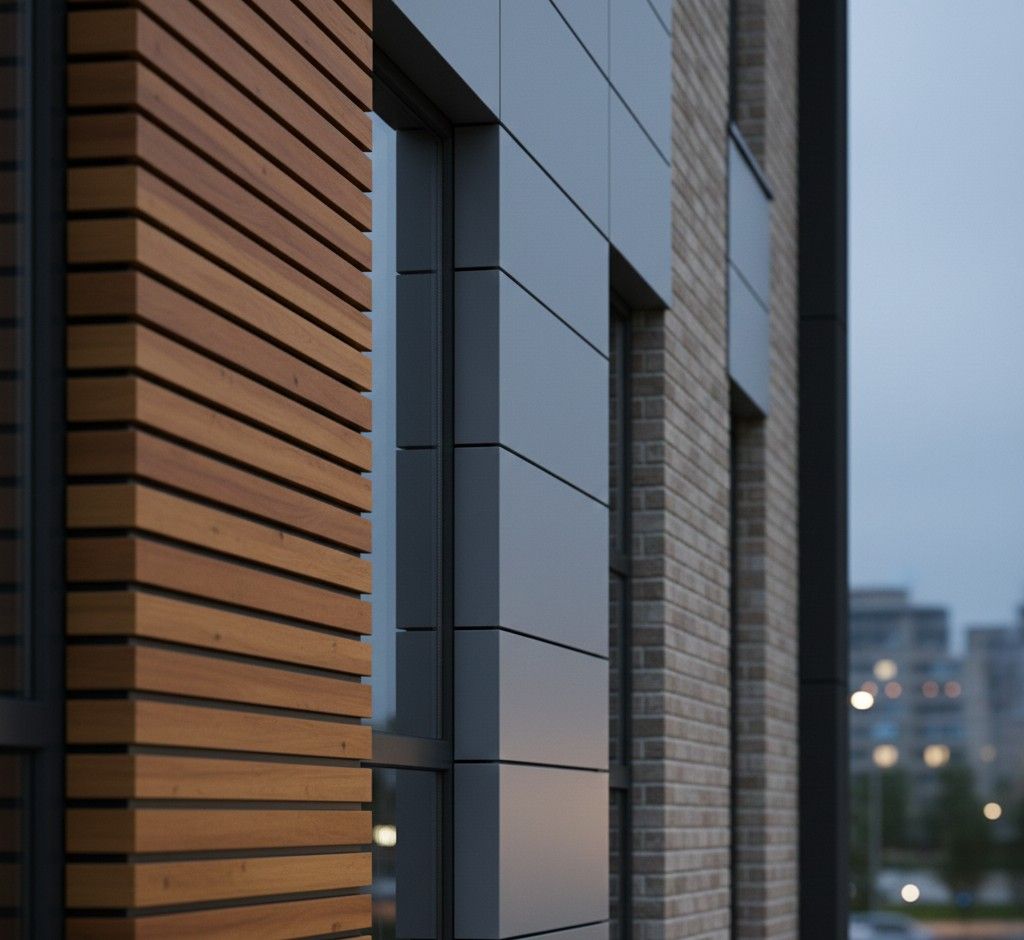
Cladding in construction is a non-structural outer layer or skin attached to a building’s exterior to protect the structure and improve its appearance. It shields walls from weather, adds insulation, and does not carry structural loads. Common materials include metal, glass, timber, stone, brick veneer, and fiber cement.
Every building has a skin that decides how it ages. Cladding forms that skin. Architects specify it to shield walls from rain, wind, and UV exposure, while engineers rely on it to support thermal and acoustic performance.
This guide explains the types, benefits, and uses of cladding, plus a practical framework for selecting a system.
The main types of cladding are metal, glass, timber, stone, brick veneer, and fiber cement. Each material differs in weight, fire rating, durability, and cost, so the right choice depends on building height, local climate, and long-term maintenance capacity.
Aluminum, steel, and zinc panels are lightweight and highly durable. They suit high-rise towers and industrial facilities. Aluminum composite wall cladding panels need careful fire-core specification, as the core material determines combustibility.
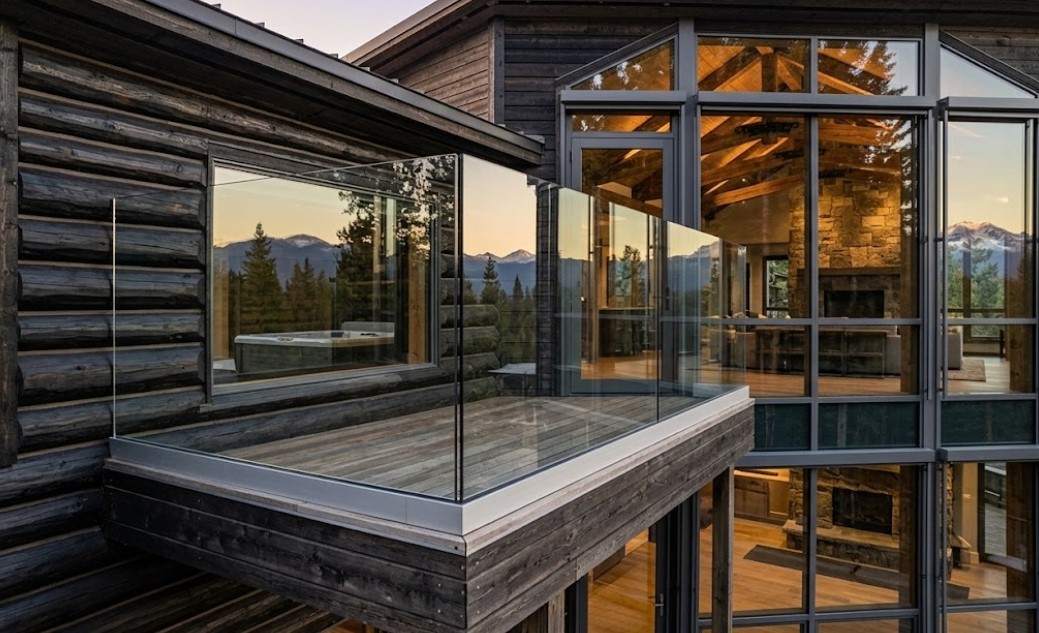
Glass facades maximize daylight and give commercial buildings a clean, modern look. Performance depends on glazing type, coatings, and framing quality. Poor sealing is the most common cause of leaks and thermal loss.
Timber offers warmth and natural texture at low weight. It requires treatment against moisture, insects, and fire. Expect regular recoating, especially in humid or coastal regions.
Stone and brick veneer deliver long service life and strong visual authority. They are heavier, so the supporting structure and fixings need rigorous design. Installation costs run higher than lightweight alternatives.
Fiber cement and high-pressure laminate boards resist fire, rot, and pests. They are cost-effective for residential and mid-rise projects, though joints and fixings must be detailed correctly to avoid moisture ingress.
The benefits of external cladding include weather protection, improved thermal insulation, reduced maintenance, better acoustic control, and enhanced appearance. A well-specified system extends the life of the structural wall and lowers long-term operating costs.
Key advantages in practice:
Cladding also supports renovation. Over-cladding an aging building can refresh its look and upgrade thermal performance without a full rebuild.
Cladding is used on commercial towers, residential blocks, industrial warehouses, schools, hospitals, and retail centers. Wall cladding in construction also extends to podiums and decorative features. Selection varies by sector because each building type carries different fire, hygiene, and performance requirements.
Typical applications include:
Wall cladding in the UAE is widely specified because extreme heat, humidity, salt air, and dust demand durable facades with strong thermal performance. Developers also favor cladding for its design flexibility on high-rise towers, villas, and commercial landmarks.
Local projects must comply with UAE fire and life safety requirements, so panel cores, insulation, and cavity barriers need verified test data. Sun-reflective coatings and ventilated cavities help reduce cooling loads in hot climates. Our cladding services cover material selection, supply, fixing, and site inspection, so these details stay under one team’s control from design to handover.
Choose cladding by scoring each option against fire safety, structural load, climate exposure, lifecycle cost, and maintenance access. A weighted evaluation prevents decisions based on appearance or upfront price alone, which often lead to costly retrofits.
Use this five-point evaluation matrix, scoring each criterion from 1 to 5:
Any option scoring below 3 on fire performance should be rejected regardless of its total.
The main risks of cladding are fire spread, water ingress, thermal bridging, and fixing failure. Most arise from poor specification or installation rather than the material itself, so independent design review and site inspections are essential.
Common failure vectors include combustible insulation behind panels, missing cavity barriers, incompatible metals causing galvanic corrosion, and undersized anchors. Document every layer of the assembly and schedule periodic facade inspections after handover.
Cladding in construction protects the structure, improves energy performance, and defines how a building looks for decades. The best results come from matching the material to fire codes, climate, and maintenance reality, then verifying installation quality on site.
Murtaza Glass supports projects with glass and facade solutions built around these performance and safety priorities. If you are planning a facade, begin with the evaluation matrix above and involve your facade specialist early.
Ready to plan your cladding project?
We can review your facade drawings, recommend cladding types and panel specs suited to UAE conditions, and provide a measured quote across Sharjah, Dubai and Ajman.
Cladding protects a building’s structure from rain, wind, UV, and temperature changes while improving insulation and appearance. It acts as a weather barrier and extends the lifespan of the underlying wall.
Stone, metal, and fiber cement are among the most durable options. Durability still depends on correct installation, climate exposure, and maintenance, so the best material varies by project.
Not exactly. A facade is the entire external face of a building, while cladding is the non-structural covering applied to that face. Cladding is one component of a facade system
September 30, 2026
September 24, 2026
September 17, 2026
September 8, 2026
September 1, 2026
 +971 58 543 0631
