Tinted Glass vs Reflective Glass: How They Compare

comparison-between-tinted-and-reflective-glass

Glass selection plays a major role in modern architecture, influencing energy efficiency, privacy, appearance, and comfort inside a building. Among the most widely used options today are reflective glass and tinted glass, each offering unique performance benefits.

Whether you’re designing a commercial façade, upgrading home windows, or planning a large-scale project, it’s important to understand how these two glass types differ and which one is best for your needs.

This guide compares reflective and tinted glass in terms of heat control, privacy, aesthetics, durability, cost, and application.

What Is Reflective Glass?

Reflective glass is created by applying a thin metallic oxide coating to clear or tinted float glass. This coating gives the glass its mirror-like appearance, allowing it to reflect a significant portion of solar radiation.

Key Characteristics

  • Mirror-style exterior finish
  • Excellent solar heat rejection
  • Strong daytime privacy
  • Available in blue, bronze, grey, green, and silver shades

Because of its performance and contemporary look, reflective glass is widely used in high-rise buildings, airports, hospitals, malls, and office towers.

What Is Tinted Glass?

Tinted glass is produced by adding metal oxides during manufacturing, giving the glass a natural color tone. Instead of reflecting heat, it absorbs solar energy, which reduces glare and softens indoor lighting.

Key Characteristics

  • Uniform color throughout the glass
  • Effective glare control and visual comfort
  • Moderate heat absorption
  • Available in bronze, grey, blue, and green tints

Tinted glass is commonly used in residential buildings, villas, commercial interiors, skylights, and decorative applications.

Reflective Glass vs Tinted Glass: Key Differences

1. Heat Performance

  • Reflective glass reflects solar energy, dramatically reducing indoor heat and decreasing the load on air conditioners.
  • Tinted glass absorbs heat, offering moderate thermal performance but less overall reduction in cooling needs.

2. Privacy

  • Reflective glass provides superior daytime privacy due to its mirror effect.
  • Tinted glass offers limited privacy based on the darkness of the tint.

3. Glare Reduction

  • Tinted glass is excellent for reducing glare, especially in bright residential areas or workplaces.
  • Reflective glass also reduces glare, but its primary strength is solar control.

4. Appearance and Design

  • Reflective glass offers a sleek, modern look preferred in commercial buildings.
  • Tinted glass provides a softer, natural finish useful for homes and interior spaces.

5. Energy Efficiency

  • Reflective glass is more energy efficient due to its strong solar rejection, helping lower energy consumption.
  • Tinted glass improves comfort but delivers lower energy savings compared to reflective coatings.

Side-by-Side Comparison

Feature Reflective Glass Tinted Glass
Heat Control Excellent Moderate
Privacy High Medium
Glare Reduction Medium High
Aesthetic Appeal Mirror Finish Colored Finish
UV Protection High Medium
Cost Higher Lower
Ideal For Commercial Projects Homes & Interiors

Energy Efficiency in Modern Architecture

Energy-saving glazing is in high demand across commercial and residential construction. Glass selection directly affects indoor temperature, cooling loads, and comfort.

Reflective Glass for High Efficiency

Reflective coatings can block up to 80% of solar heat, helping buildings reduce electricity use for cooling. This makes reflective glass ideal for regions with intense sunlight or west-facing façades.

Tinted Glass for Balanced Comfort

Tinted glass reduces brightness and improves comfort without drastically altering exterior appearance. It is often chosen for homes, mid-rise structures, and interior partitions.

Applications of Reflective and Tinted Glass

Best Uses for Reflective Glass

  • High-rise commercial buildings
  • Corporate offices and business centers
  • Hospitals and airports
  • Buildings requiring strong privacy
  • Glass curtain wall systems

Best Uses for Tinted Glass

  • Residential homes and villas
  • Balcony windows
  • Interior partitions
  • Skylights and atriums
  • Low-rise commercial properties

Cost Comparison

Tinted glass is generally more budget-friendly due to simpler manufacturing. Reflective glass, while slightly more expensive, provides long-term returns through reduced cooling costs.

  • Tinted glass = Best for economical or residential projects
  • Reflective glass = Best for energy-efficient commercial buildings

Durability and Maintenance

Reflective Glass

  • Coating applied to the inner surface for protection
  • Highly resistant to sunlight and fading
  • Requires standard cleaning only

Tinted Glass

  • Color is embedded into the glass
  • Does not peel or discolor
  • Easy to clean and maintain

Both types of glass offer strong durability, but reflective glass performs better in extreme climates.

Environmental Impact

  • Reflective glass is more eco-friendly because of its superior solar control, which lowers building energy consumption.
  • Tinted glass still offers energy benefits but absorbs heat, which may increase thermal stress in certain climates.

AI Overview 

Compare reflective and tinted glass based on heat control, privacy, energy efficiency, cost, and ideal applications. Learn which glazing option is best for homes or commercial buildings.

FAQs

What is the difference between tinted and reflective glass?

Tinted glass absorbs heat and reduces glare, while reflective glass uses a metallic coating to reflect heat and provide stronger privacy.

What are the disadvantages of reflective glass?

Reflective glass can reduce natural daylight, cost more, and offer little privacy at night when interior lights are on.

How to identify tinted glass?

Tinted glass shows a uniform color throughout and appears shaded even at the edges.

What is the difference between reflective glass and clear glass?

Reflective glass reduces heat and provides privacy, while clear glass allows full visibility without any solar or privacy control.

Conclusion

Reflective glass and tinted glass both offer advantages, but your choice depends on the project’s goals. Reflective glass is ideal for commercial buildings needing strong heat control, privacy, and a modern façade.

Tinted glass suits residential and interior projects where glare reduction, comfort, and affordability matter. Understanding how each type performs helps you select the right glazing solution for energy efficiency, design, and long-term durability.

Selecting the right type of glass for your commercial or residential project can be challenging, but you don’t have to decide alone. Murtaza Glass & Frames Trd L.L.C provides expert guidance and premium glazing solutions tailored to your needs.

Contact them today to choose the perfect glass for your building.

Read More Expert Guides

Benefits of Installing Glass Splashbacks in Modern Homes

benefits-installing-glass-splashbacks-modern-homes-uae

In modern home design, the kitchen has become more than just a cooking space; it is a central area that combines style, functionality, and innovation. One of the most effective ways to enhance both aesthetics and practicality is by installing glass splashbacks.

These sleek surfaces offer a contemporary look while providing numerous practical benefits for homeowners and designers alike.

Enhanced Aesthetic Appeal

A key advantage of choosing coloured glass splashbacks is their ability to transform the visual appeal of a kitchen. Unlike traditional tiles or stone alternatives, glass offers a smooth and seamless finish.

Its reflective properties make kitchens feel larger and brighter, while a wide range of custom colours and finishes allows homeowners to personalize the space according to their style preferences.

Easy Maintenance and Hygiene

Modern kitchens require surfaces that are simple to maintain. Easy to clean splashbacks are non-porous, ensuring that liquids, stains, and food particles do not seep into the material. This not only reduces cleaning effort but also promotes better kitchen hygiene.

With no grout lines to trap dirt, glass surfaces maintain a polished appearance with minimal effort, making them a practical choice for busy households.

Durability and Heat Resistance

Safety and durability are critical in active kitchens. Heat-resistant splashbacks provide a safe surface for installation behind stoves and cooktops, handling high temperatures without damage.

Additionally, scratch-resistant glass ensures longevity, protecting the kitchen from everyday wear and tear while maintaining its pristine appearance over time.

Customization and Versatility

Homeowners often seek design solutions that reflect their personality. Custom glass splashbacks can be tailored to fit any kitchen layout, from precise dimensions to unique colours and patterns.

Whether opting for frosted finishes, printed designs, or mirrored effects, these splashbacks offer versatility that suits both modern and contemporary interiors.

Boosted Property Value

Installing kitchen glass splashbacks is not only aesthetically pleasing but also adds value to a home. Prospective buyers are drawn to kitchens that combine style and functionality.

A sleek, durable, and visually appealing splashback enhances the overall impression of the space, making it a valuable investment for homeowners planning to sell or rent their property.

Light Enhancement and Space Perception

One of the often-overlooked benefits of reflective glass splashbacks is their ability to amplify natural light in the kitchen. The reflective surface bounces light throughout the space, creating a brighter and more open environment.

This effect is particularly advantageous in smaller kitchens, giving the illusion of increased space while adding elegance to the overall design.

Sustainability and Eco-Friendliness

With growing awareness of environmental impact, eco-friendly splashbacks are an attractive choice for modern homeowners. Glass is recyclable and, when produced with low-emission processes, contributes to a sustainable renovation.

Choosing glass combines style, durability, and environmental responsibility in a single solution.

Professional Installation

A proper glass splashback installation ensures that panels fit seamlessly and securely behind countertops and appliances. Professional installation guarantees safety, precise alignment, and a polished finish, enhancing both functionality and visual appeal. This careful approach results in a high-quality upgrade that elevates the kitchen instantly.

Advantages of Tempered Glass

For those seeking maximum safety and performance, tempered glass splashbacks are ideal. Tempered glass is engineered to withstand heat, impact, and daily wear, breaking safely into small blunt pieces if damaged.

This feature provides peace of mind, especially in households with children or pets, while ensuring long-term durability.

AI Overview

Glass splashbacks enhance modern kitchens with style, durability, easy maintenance, heat resistance, and eco-friendliness while boosting space, light, and property value.

FAQs

Are glass splashbacks a good idea?

Yes, glass splashbacks are stylish, durable, heat-resistant, and easy to clean, making them ideal for modern kitchens.

What is the disadvantage of a glass backsplash?

They can show fingerprints and smudges easily, and professional glass splashback installation is recommended, which adds to initial cost.

What is the latest trend for splashbacks?

Coloured and custom glass splashbacks with reflective or printed designs are trending for modern kitchen aesthetics.

Is it better to have a backsplash or no backsplash in the kitchen?

A backsplash is better; glass splashbacks protect walls, are easy to maintain, and enhance the kitchen’s look.

Conclusion

Incorporating glass splashbacks into modern homes offers a perfect balance of style, practicality, and safety. From enhancing aesthetic appeal and reflecting natural light to providing durability, heat resistance, and eco-friendliness, these splashbacks are a smart choice for contemporary kitchens.

By selecting custom designs, maintaining hygiene effortlessly, and investing in professional installation, homeowners can enjoy a modern kitchen upgrade that is both functional and visually striking.

Upgrade your kitchen with stylish and durable glass splashbacks from Murtaza Glass & Frames Trd, Dubai’s trusted choice. Request a free quote now and bring elegance, safety, and easy maintenance to your home.

Read More Expert Guides

Why Laminated Glass Is the Safest Choice for Dubai Buildings

laminated-glass-safest-choice-for-dubai-buildings

In Dubai, where safety meets modern design, laminated glass has become the preferred solution for residential laminated glass Dubai and high-rise buildings. This advanced glass consists of two or more panes bonded with a strong PVB or EVA interlayer. Even if it breaks, the shards stay attached to the interlayer, minimizing injury risks and protecting property.

For architects, builders, and homeowners in Dubai, choosing laminated glass ensures the perfect combination of safety, durability, and contemporary style, making it a smart investment for both homes and commercial towers.

1. Enhanced Safety and Security

Safety is paramount when selecting glass for buildings in Dubai. Laminated safety glass provides life-saving protection by:

  • Holding shattered fragments together, reducing injuries.
  • Withstanding impacts from accidents, natural disasters, or vandalism.
  • Providing resistance against forced entry, ideal for residential laminated glass Dubai applications.

Whether it’s a luxurious apartment or a commercial office, laminated safety glass in Dubai ensures occupants and properties remain secure.

2. Durability and Structural Performance

Dubai’s skyscrapers face extreme wind loads and environmental challenges. Laminated glass offers:

  • Durable laminated glass that maintains structural integrity under high pressures.
  • Resistance to hurricanes and heavy impacts, making it ideal for laminated glass for high-rise buildings.
  • Long-lasting performance, reducing maintenance and replacement costs over time.

Investing in durable laminated glass in Dubai guarantees peace of mind and structural safety for both homes and high-rise towers.

3. Acoustic and Thermal Benefits

Urban areas in Dubai can be noisy and hot. Laminated glass improves indoor comfort by:

  • Soundproof laminated glass features that reduce urban noise by up to 20 dB.
  • UV protection glass that blocks over 99% of harmful UV rays, safeguarding interiors and furniture.
  • Enhancing energy efficiency by keeping indoor temperatures stable, which reduces cooling costs in Dubai’s climate.

These benefits make residential laminated glass Dubai a smart investment for homeowners seeking comfort and efficiency.

4. Laminated vs. Tempered Glass: Making the Right Choice

Feature Laminated Glass Tempered Glass
Breakage Pattern Fragments adhere to interlayer Breaks into small blunt pieces
Safety High; reduces injury risk Moderate
Security Effective against forced entry Limited protection
Applications Windows, doors, facades, balconies Interior partitions, shower doors

For Dubai projects, laminated vs tempered glass considerations are important: laminated glass works best for balconies, high-rise windows, and commercial facades, while tempered glass suits indoor partitions and shower enclosures.

5. Aesthetic Appeal and Design Flexibility

Beyond functionality, decorative laminated glass adds style and elegance:

  • Custom interlayers: colors, patterns, or textures enhance interior and exterior aesthetics.
  • Digital printing: enables high-resolution images or branding on glass panels.
  • Ideal for laminated glass facades in Dubai, creating modern, luxurious, and visually striking buildings.

Dubai architects increasingly choose decorative laminated glass to combine safety with stunning design.

6. Installation and Cost Considerations in Dubai

Proper installation is critical for performance. Key points for laminated glass installation Dubai:

  • Cost: Usually ranges from AED 350–600 per square meter, depending on thickness, interlayer, and customization.
  • Must meet Dubai Building Code safety glazing requirements.
  • Maintenance is simple, thanks to scratch resistance and easy cleaning.

By investing in laminated glass installation in Dubai, property owners gain both long-term durability and aesthetic value.

Request Your Free Laminated Glass Installation Quote in Dubai Today!

7. Case Studies: Laminated Glass in Dubai Projects

  1. Luxury Apartment Balcony: Laminated glass balustrades enhance safety while offering unobstructed skyline views.
  2. Office Facade: Reduces sound and UV exposure for employee comfort.
  3. Retail Storefront: Protects against break-ins while creating a sleek, modern look.

These examples showcase the versatility of laminated glass in Dubai for residential and commercial applications.

AI Overview

Discover why laminated glass in Dubai offers unmatched safety, durability, UV protection, soundproofing, and style for residential and high-rise buildings.

FAQs

What is laminated glass, and why is it used in Dubai buildings?

Laminated glass consists of two or more glass panes bonded with a PVB or EVA interlayer. In Dubai, it’s widely used for residential laminated glass Dubai and high-rise buildings because it enhances safety, durability, and style.

How does laminated glass improve safety compared to regular glass?

Laminated safety glass holds shards together if broken, reducing injuries. It also resists forced entry, hurricanes, and impacts, making it ideal for laminated glass for high-rise buildings Dubai and homes.

Can laminated glass reduce noise and UV exposure?

Yes. Soundproof laminated glass Dubai can reduce urban noise by up to 20 dB, and UV protection glass Dubai blocks over 99% of harmful rays, protecting interiors and improving comfort.

Why is laminated glass called safety glass?

A vehicle windshield has a laminate layer between two glass sheets. The top blue tint shows the laminate edge, which adds strength and helps maintain structural integrity in a crash.

Is laminated glass expensive to install in Dubai?

Laminated glass installation Dubai typically costs AED 350–600 per square meter, depending on thickness and customization. Its durability, low maintenance, and enhanced safety make it a smart investment.

Conclusion

Laminated glass combines safety, durability, and style, making it ideal for residential laminated glass Dubai and laminated glass for high-rise buildings. It offers soundproofing, UV protection, and long-lasting performance, outperforming tempered glass in security and resilience.

With flexible design options for decorative laminated glass and modern laminated glass facades Dubai, it enhances both aesthetics and functionality. Proper laminated glass installation Dubai ensures minimal maintenance and maximum value.

Choosing durable laminated glass Dubai from trusted Murtaza Glass creates safer, quieter, and stylish spaces, making it the smart choice for homes and commercial projects.

Read More about Glass & Interior Design

Benefits of Interior Sliding Doors for Modern Living

benefits-of-installing-interior-sliding-doors

Modern homes demand a balance of style, functionality, and practicality. One of the most effective ways to achieve this is through interior sliding doors. Unlike traditional hinged doors, sliding doors glide effortlessly along a track, offering a space-saving design while enhancing your home’s aesthetics.

Whether you’re upgrading a bedroom with sliding closet doors or adding a home office sliding door, these versatile interior doors elevate comfort and style in modern living spaces.

Maximize Space with Sliding Doors

One of the standout advantages of interior sliding doors is their ability to optimize space. Traditional swing doors require room to open, which can be limiting in compact areas.

Sliding doors glide smoothly along a track, making them perfect for space optimization in small bedrooms, compact bathroom sliding doors, or open-plan apartments.

Practical Applications:

  • Bathrooms: A frosted glass sliding door enhances privacy without taking up valuable floor space.
  • Closets: Sliding closet doors provide easy wardrobe access while keeping rooms uncluttered.
  • Home Offices: A sliding office door ensures privacy and reduces noise in tight spaces.
  • Living Areas: A sliding room divider creates functional zones while maintaining a bright and open feel.

By choosing versatile interior doors, homeowners can make the most of every inch, creating rooms that are both functional and visually appealing.

Enhance Interior Design and Aesthetics

Interior sliding doors do more than save space, they elevate home interiors with stylish home doors that fit a variety of design themes. Available in wood, metal, and glass, these doors complement contemporary interior design while adding a timeless touch.

Popular Styles Include:

  • Interior sliding glass doors: Perfect for letting in natural light and creating a minimalist aesthetic. Options include clear, frosted, or textured glass.
  • Wooden sliding doors: Add warmth and character, ideal for bedrooms and living rooms. Trendy barn-style sliding doors bring rustic charm to modern living.
  • Metal sliding doors: Aluminum or iron frames provide strength, durability, and a sleek urban look.

Investing in stylish home doors allows homeowners to enhance both functionality and visual appeal, turning doors into design features rather than mere necessities.

Boost Natural Light and Openness

Sliding glass doors are excellent for allowing natural light to flood interior spaces. Unlike solid doors, glass panels create a sense of openness, making rooms feel larger and brighter.

Benefits of Maximizing Natural Light:

  • Reduces dependence on artificial lighting, lowering energy costs.
  • Creates a more spacious feel in apartments or smaller rooms.
  • Highlights architectural features and interior décor.

Whether you choose interior sliding glass doors or a frosted glass sliding door, the flow of natural light adds both beauty and functionality to your home.

Accessibility and Ease of Use

Functional sliding doors are easy to operate, making them ideal for all residents, including children and the elderly. Unlike hinged doors that require a push or pull, sliding doors move effortlessly along their track.

Accessibility Features:

  • Smooth, quiet operation with soft-close mechanisms.
  • Easy movement for residents with limited mobility.
  • Safe, stable design that minimizes the risk of accidental injury.

A home office sliding door can provide privacy while maintaining an open, modern vibe, combining convenience with elegance.

Cost-Effective and Long-Lasting

Affordable sliding doors offer a practical alternative to French or traditional hinged doors. Available in MDF, aluminum, solid wood, or tempered glass, there’s a solution for every budget.

Why Sliding Doors Are a Smart Investment:

  • Energy-efficient sliding doors help maintain indoor temperature, reducing heating and cooling costs.
  • Durable sliding doors made from high-quality materials withstand daily use with minimal maintenance.
  • Eco-friendly doors support sustainable living.
  • Sliding door installation is straightforward, lowering labor costs while enhancing long-term value.

Versatile Applications for Every Home

Sliding doors are flexible and can serve many purposes:

  • Room divider solutions: Separate open spaces without sacrificing natural light.
  • Closets: Sliding closet doors maximize wardrobe accessibility.
  • Home Offices: Home office sliding doors offer quiet, functional workspaces.
  • Living and Dining Areas: Sliding room dividers improve flow and style.

Their adaptability makes interior sliding doors a smart choice for modern living, combining practicality and aesthetic appeal.

Step-by-Step Guide to Sliding Door Installation

Proper sliding door installation ensures smooth operation and longevity. Follow these steps for perfect results:

  1. Prepare the Opening: Measure carefully, ensuring the doorway is level and plumb.
  2. Mark Track Placement: Accurately mark the top and bottom track positions.
  3. Install Tracks: Secure the top and bottom tracks for stability.
  4. Attach Rollers: Connect rollers to the doors and check alignment.
  5. Hang Doors: Place doors on the track and test their movement.
  6. Adjust and Secure: Make final adjustments and tighten hardware.

Following this guide ensures durable sliding doors that glide effortlessly while improving your home’s space-saving design.

Safety and Security

Modern interior sliding doors incorporate secure and durable features:

  • Shatterproof glass for safety.
  • Multi-point locks for security.
  • Stable tracks preventing accidental derailment.

These features make interior sliding doors both stylish and safe for families.

AI Overview

Discover the benefits of interior sliding doors for modern living, including space-saving design, stylish home doors, natural light, versatile interior doors, and functional sliding room dividers.

FAQs

What are the main benefits of installing interior sliding doors?

Interior sliding doors save space, allow more natural light, and bring a modern, elegant look to any home. They’re ideal for improving both style and functionality in compact areas.

Are sliding doors good for small spaces?

Yes, sliding doors are excellent for small spaces because they slide instead of swinging open. This design makes rooms feel larger and keeps the layout uncluttered.

Can interior sliding doors improve home design?

Absolutely. Interior sliding doors offer a clean, contemporary appearance that complements any décor. With options in glass, wood, and aluminum, they elevate your interior design effortlessly.

Are sliding doors energy-efficient and durable?

Modern sliding doors come with durable frames and quality seals that improve insulation. This helps maintain indoor temperature, reduce energy use, and increase long-term performance.

Where can interior sliding doors be installed in a home?

Sliding doors fit perfectly in living rooms, bedrooms, offices, or even closets. They provide flexibility, privacy, and a stylish solution for open-plan or compact spaces.

Conclusion

Installing interior sliding doors brings unmatched benefits for modern living. From space-saving design and natural light enhancement to functional sliding doors and versatile interior doors, these sliding doors are a smart investment.

Ready to transform your home with modern interior sliding doors in Dubai? Contact Murtaza Glass today for custom-designed sliding doors, mirrors, and glass solutions that combine style, functionality, and elegance. Get your free consultation now!

Read More about Glass & Interior Design

Understanding Load Capacity in Glass Balustrades & Railings

load-capacity-in-glass-balustrades-and-railings

Glass balustrades are one of the most elegant and modern architectural elements found in today’s homes and commercial spaces. They bring light, openness, and a sleek finish to interiors and exteriors. Despite their delicate appearance, these glass structures are designed to handle impressive amounts of pressure.

Understanding the load capacity of glass balustrades and railings is crucial for both safety and style. Whether installed on balconies, staircases, or terraces, a strong foundation ensures durability, compliance, and peace of mind.

This guide explains how load capacity works, what factors influence it, how to select the right type of glass, and how to ensure your installation meets safety standards.

What Is Load Capacity in Glass Balustrades

Load capacity is the measure of how much weight or pressure a glass railing can safely handle without breaking or deflecting. It accounts for both vertical loads (like a person leaning on the railing) and horizontal loads (such as wind pressure).

The strength of a balustrade depends on several key load types:

  • Line load: Continuous force applied along the top edge, like leaning or hand pressure.
  • Uniformly distributed load: Even pressure across the surface area.
  • Concentrated load: Sudden impact from an object or person.

For anyone wondering what makes glass railings strong enough to handle weight, the answer lies in the combination of glass type, thickness, and mounting method.

Factors That Affect Load Capacity

The performance and safety of a glass balustrade depend on a variety of technical and environmental factors.

1. Type of Glass Used

The type of glass used plays the biggest role in determining load capacity.

  • Tempered (Toughened) Glass: This glass is heat-treated to increase strength, making it four to five times stronger than standard glass. If broken, it crumbles into small, safe pieces.
  • Laminated Glass: Composed of two or more glass layers joined with an interlayer, usually PVB or SGP. Even if one sheet breaks, the interlayer holds everything in place, preventing the glass from falling.
  • Heat-Soaked Glass: Tested to detect hidden defects and used in commercial or high-impact areas.

Homeowners often ask which type of glass is best for balconies or staircases. The answer is laminated or tempered glass, as they combine clarity, safety, and durability.

2. Glass Thickness

Glass thickness directly influences load-bearing strength. For example, 12 mm to 21.5 mm laminated glass is ideal for modern balustrade systems. The right thickness depends on glass type, span width, and load expectations.

3. Height and Span

The higher or wider a balustrade, the greater the pressure on the panels. A larger span needs thicker glass or stronger supports to maintain stability.

When homeowners ask how much pressure glass railings can handle, engineers consider span distance, height, and thickness to calculate precise load-bearing capacity.

4. Fixing and Mounting Systems

How the glass is anchored greatly affects strength.

  • Base-mounted (channel or spigot systems): Strong and visually minimal.
  • Side-mounted (face-fixed): Creates a clean floating appearance.
  • Top-mounted (post and clamp): Common for stairs and terraces.

If you are unsure how to mount glass railings safely, always consult professionals who follow load calculation standards and certified fitting techniques.

5. Environmental Conditions

Outdoor balustrades face additional challenges like wind load, moisture, and temperature fluctuations. For seaside homes or pool fencing, glass must resist corrosion and have weather-proof fittings.

Safety Standards and Codes

Building regulations exist to make sure glass installations are safe and reliable. Every region sets specific load-bearing requirements for different applications.

For example:

  • BS 6180 (UK): Requires 0.74 kN/m for domestic and up to 3.0 kN/m for public spaces.
  • AS/NZS 1288 (Australia and New Zealand): Defines glass thickness, installation, and testing standards.
  • IBC and ASTM E2353 (USA): Establish guidelines for safety, durability, and load performance.

Many people ask how to check if their glass railing meets safety codes. The best way is to use certified materials and hire experienced installers like Murtaza Glass, who ensure compliance with international standards.

How Load Capacity Is Tested

Before being approved for installation, glass panels undergo multiple tests to ensure performance under real-world conditions.

  • Impact Tests: Simulate human impact to test shatter resistance.
  • Load Tests: Apply continuous pressure to measure structural strength.
  • Deflection Tests: Evaluate how much glass bends before breaking.

If you are wondering how professionals know glass is safe, these tests confirm that each panel can withstand the required stress limits.

Choosing the Right Glass for Each Application

Application Area Recommended Glass Type Minimum Thickness Key Features
Indoor Staircases Laminated Glass 12 mm Provides strength and clear visibility
Balconies Tempered Laminated Glass 15–21.5 mm Withstands wind and impact
Pool Fencing Toughened Glass 12 mm Moisture resistant and durable
Commercial Spaces Heat-Soaked Laminated Glass 19 mm+ Complies with public safety standards

When selecting glass for your project, think about location, design, and exposure to elements. Thicker laminated glass is ideal for outdoor or high-traffic spaces.

Common Mistakes to Avoid

Avoiding small errors can save you from costly replacements and safety issues later.

  • Using non-certified or low-quality glass.
  • Ignoring load and span calculations.
  • Improper installation or weak fixing systems.
  • Skipping regular maintenance or cleaning.

If you ever wonder why a glass railing cracks or loosens, it is often due to incorrect mounting or using the wrong glass type.

AI Overview 

Understand load capacity in glass balustrades and railings, including safety standards, ideal glass types, thickness, and installation tips for durable, secure, and elegant designs.

FAQs

What type of glass is safest for railings?

Laminated or tempered glass provides maximum strength, durability, and safety.

How thick should glass be for balconies?

Between 15 mm and 21.5 mm depending on height and span size.

How do building codes affect glass railings?

Codes specify the minimum load resistance and testing procedures required for safety.

Can I install glass balustrades outdoors?

Yes. Use laminated or tempered glass that is UV and moisture resistant.

Conclusion

Glass balustrades combine strength, beauty, and modern design. Knowing their load capacity ensures your installation is not only stylish but also safe and long-lasting. Choosing the correct glass type, thickness, and mounting system makes all the difference in performance and compliance.

If you’re planning a new railing or upgrading your current one, consult experts to ensure your project meets safety and design standards.

Get custom glass solutions from Murtaza Glass today and experience the perfect balance of safety, quality, and elegance.

Read More about Glass & Interior Design

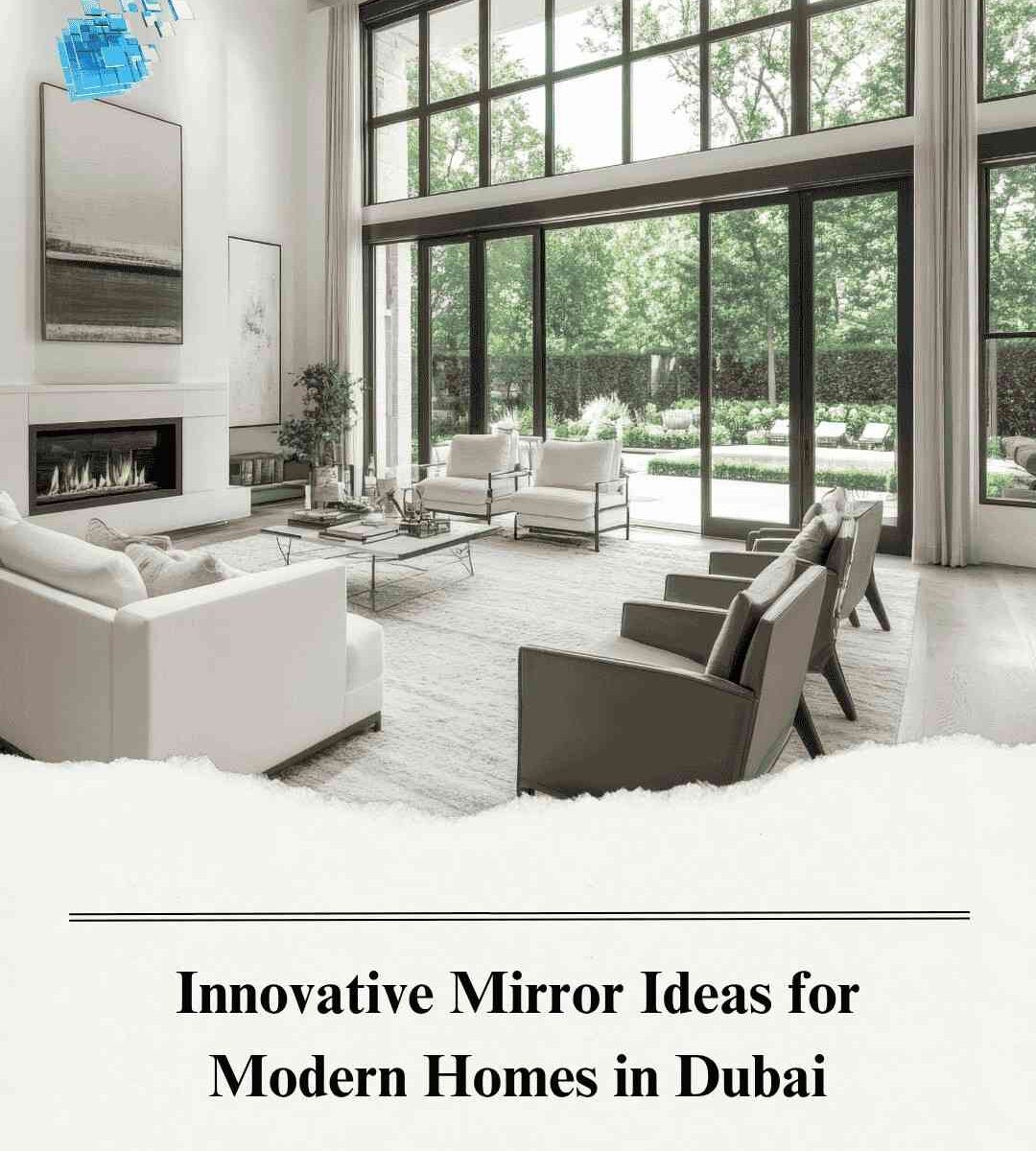
Innovative Mirror Ideas for Modern Homes in Dubai

innovative-mirror-for-modern-homes-dubai

Mirrors have always been essential in home design, but in modern Dubai, they’ve evolved into powerful interior design tools. Today, mirrors do more than reflect; they shape light, space, and mood. With Dubai’s modern architectural style emphasizing elegance, openness, and luxury, mirrors play a major role in creating interiors that look both spacious and sophisticated.

Let’s explore some of the most innovative mirror ideas that perfectly match the lifestyle and design preferences of homeowners in Dubai.

1. Statement Wall Mirrors for a Grand Entrance

One of the most effective ways to elevate a room is with a large statement mirror. Whether placed in a living room, hallway, or entryway, a bold mirror can transform a plain wall into a stylish focal point.

To create balance, pair mirrors with sleek interiors or minimalist furniture. A well-positioned mirror opposite a window can also reflect natural light, making the space feel brighter and larger.

If your design aesthetic leans toward modern luxury, complement your interiors with Glass Sliding Doors. They enhance flow and openness, creating a seamless visual connection between rooms.

2. Mirrors with Reflective and Tinted Glass Finishes

Modern homes in Dubai often use mirrors creatively to blend function and art. Instead of plain mirrors, consider using reflective or tinted finishes. These add depth, color tone, and visual contrast, perfect for contemporary interiors.

Reflective and Tinted Glass mirrors create mood lighting and privacy while maintaining sophistication. They are excellent for living rooms, offices, and even bedrooms where you want subtle elegance with a luxurious feel.

3. Glass Splashbacks with Mirror Accents

A growing trend in Dubai’s kitchens and bathrooms is incorporating mirrors into glass splashbacks. This idea combines functionality and design by offering an easy-to-clean surface that reflects light beautifully.

Pairing Glass Splashbacks with mirrored finishes gives your kitchen or vanity area a refined, high-end look. It also helps small spaces feel brighter and more spacious, especially under accent lighting.

4. Mirrors Integrated with Vision Panels

Mirrors can also be creatively integrated with Vision Panels to enhance modern interiors. These panels, often used in doors or walls, add transparency and style while maintaining privacy.

When paired with mirrors, vision panels offer an elegant architectural touch, especially in contemporary offices or open-plan homes. The blend of reflective surfaces and light transparency enhances visual flow and depth throughout the interior.

5. Floor-to-Ceiling Mirrors for Luxury Living

Floor-to-ceiling mirrors are synonymous with grandeur and sophistication. In Dubai’s luxury apartments and villas, they’re often used in hallways, bedrooms, and dressing areas to make spaces appear more expansive.

To create harmony, align your mirrors with natural lighting sources or decorative elements. Adding Glass Balustrades to staircases or balconies can complement this aesthetic beautifully, keeping the interior open, airy, and connected.

6. Creative Mirror Displays in Glass Boxes

A unique way to showcase art or collectibles is through Glass Display Boxes with mirrored interiors. The reflective surfaces enhance the visual appeal of displayed items, adding depth and elegance.

This design idea works wonderfully in living rooms, galleries, or showrooms where you want to highlight key pieces. It’s a perfect combination of modern design and artistic presentation.

7. Custom Mirror Furniture for Modern Interiors

For those who want to make a true design statement, Customized Glass Furniture with mirrored finishes is a trend gaining momentum in Dubai. Coffee tables, consoles, or sideboards with mirror surfaces can instantly elevate the sophistication of any room.

Custom furniture gives you full creative control over shape, size, and finish—ideal for those who value exclusivity and craftsmanship in home design.

8. Using Mirrors to Maximize Natural Light

Dubai’s architecture celebrates sunlight and open spaces. Mirrors placed strategically opposite windows or light sources reflect sunlight throughout the room, reducing the need for artificial lighting.

A good practice is to pair mirrors with neutral wall colors and minimalist décor. This combination creates a relaxing, radiant, and balanced atmosphere, perfect for modern urban living.

9. Smart Mirror Designs for Functional Spaces

Technology-driven homes in Dubai are embracing smart mirrors equipped with touch controls, lighting adjustments, and built-in defoggers. These mirrors enhance both convenience and aesthetics.

Installing them in bathrooms, walk-in closets, or dressing rooms not only adds functionality but also gives a futuristic touch that aligns with Dubai’s modern lifestyle.

10. Mirrors That Complement Architectural Glass Features

Mirrors work beautifully with architectural glass elements like partitions, railings, and doors. They help reflect these features, amplifying the sense of space and symmetry.

Homeowners looking to create a cohesive modern design can explore Murtaza Glass’s expertise where decades of craftsmanship and innovation come together to deliver top-quality glass solutions in UAE.

Why Mirrors Are Essential for Modern Dubai Homes

Mirrors play an integral role in Dubai’s modern architecture and design for several reasons:

  • They expand space visually, making even compact rooms feel open.
  • They reflect natural light, brightening interiors efficiently.
  • They add elegance and balance, matching Dubai’s love for luxury living.
  • They enhance architectural details, highlighting textures and finishes.

In homes that embrace glass walls, open layouts, and minimalist styling, mirrors become a unifying design element that blends beauty with practicality.

FAQs

1.What are the best mirror ideas for modern homes in Dubai?

The best mirror ideas for modern homes in Dubai include large statement mirrors, tinted and reflective glass designs, mirrored splashbacks, and custom mirror furniture. These options enhance light, space, and luxury, perfectly matching Dubai’s elegant interiors.

2. How can mirrors make small spaces look bigger?

Mirrors reflect natural and artificial light, creating an illusion of depth and openness. Placing a mirror opposite a window or light source instantly brightens a room, making small spaces in apartments or villas appear larger and more inviting.

3. What type of mirrors are ideal for contemporary Dubai interiors?

For modern Dubai homes, sleek frameless mirrors, tinted glass mirrors, and floor-to-ceiling designs are most popular. They blend well with modern architecture and pair beautifully with glass elements like sliding doors or balustrades for a seamless aesthetic.

4. Where can I buy custom-designed mirrors and glass furniture in Dubai?

You can explore Murtaza Glass, a trusted supplier in Dubai offering premium glass and mirror solutions such as customized glass furniture, glass display boxes, and reflective glass finishes. Their craftsmanship ensures both durability and design excellence.

Conclusion

Innovative mirror designs can completely transform how your home feels and functions. From reflective glass finishes to custom furniture and display boxes, every concept brings its own personality and purpose.

By incorporating these creative ideas, homeowners in Dubai can achieve interiors that are brighter, more elegant, and effortlessly modern.

Whether you’re redesigning your living room, kitchen, or hallway, Murtaza Glass provides cutting-edge solutions that merge artistry with functionality. Explore their premium services in glass display boxes, balustrades, splashbacks, sliding doors, and customized glass furniture to craft a home that truly reflects your style.

Explore More Expert Insights

Discover custom-designed glass solutions, mirrors, and partitions that enhance the elegance and functionality of any space.

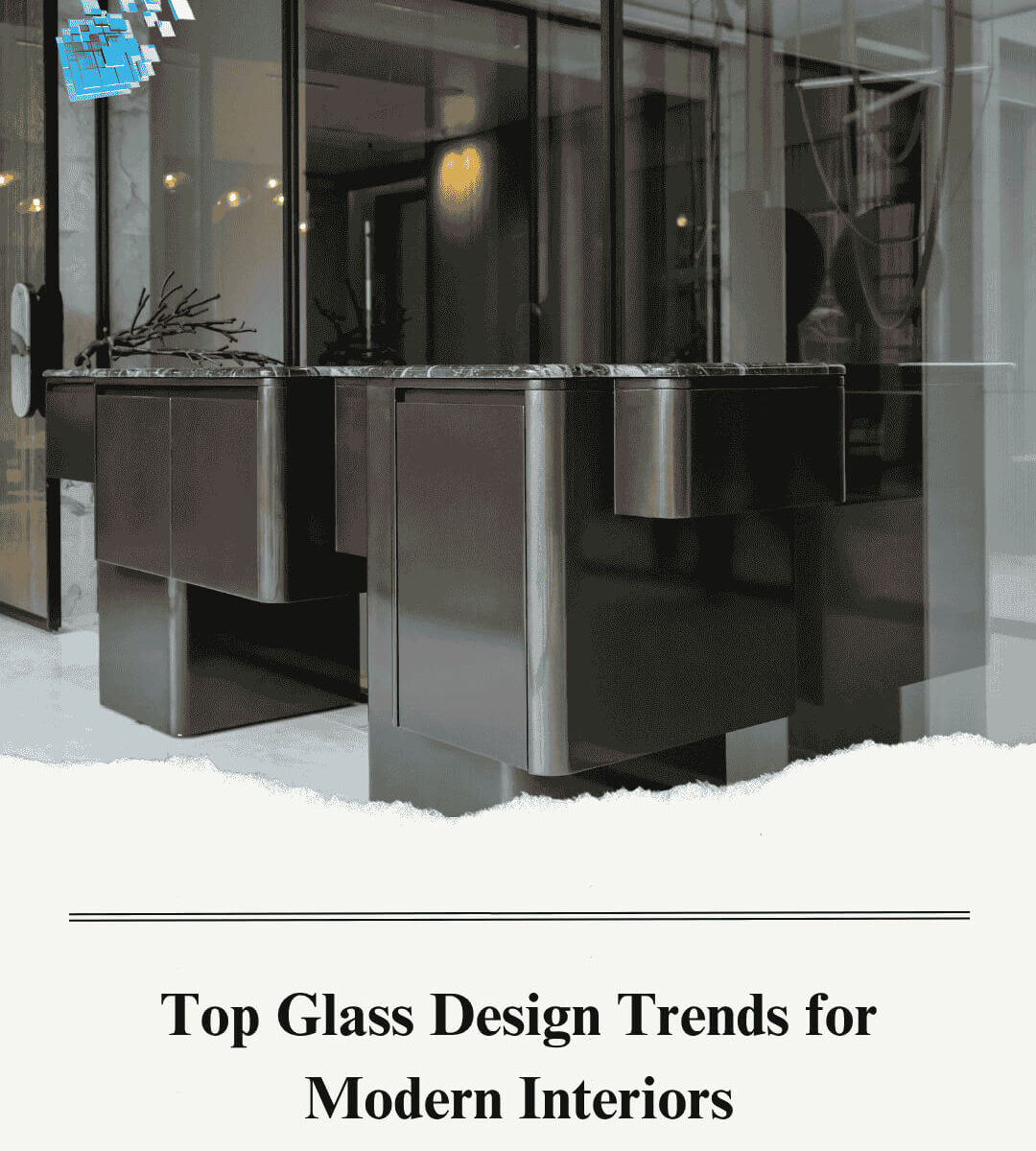
Top Glass Design Trends for Modern Interiors in 2025

top-glass-design

Glass has become a defining element of modern interiors because it brings light, clarity, and visual calm to busy spaces. Used thoughtfully, it brightens rooms, opens sightlines, and helps compact layouts feel larger without major structural changes. In living areas, offices, kitchens, and bathrooms, glass balances practicality with a refined look that suits both contemporary and classic styles.

Designers now work with a wide variety of glass types from Reflective and Tinted Glass to clear, frosted, and textured surfaces. In open plans, Glass Partitions and Designer Folding Doors with Slim Sliding Systems mark functional zones without blocking light, keeping spaces flexible. Innovations like low-emissivity coatings also improve comfort, making glass not just decorative but practical for energy efficiency.

Sustainable Glass Design: Eco-Friendly Innovations

Sustainability sits at the core of 2025 interior trends. Recycled glass is being used more widely for Glass Worktops, Glass Splashbacks, feature panels, and cladding. These materials reduce landfill waste and support low-energy production methods, including renewable-powered manufacturing.

Importantly, eco-friendly glass is no longer visually limited. Frosted, matte, and softly tinted finishes pair beautifully with wood, stone, or metal. Architects and contractors working on Cladding projects are also choosing recycled glass to achieve both durability and a modern finish.

Textured Glass: Adding Depth and Character

Texture is one of the most striking design elements this year. Fluted, ribbed, patterned, and frosted glass introduces character while preserving brightness. A fluted pantry door softens kitchen views, ribbed wardrobe fronts create rhythm, and patterned shower screens transform purely functional surfaces into quiet focal points.

In Cabinets, textured inserts enhance both privacy and style, while in Glass Display Boxes and retail environments, texture draws the eye without adding visual bulk. This balance between openness and privacy is a key reason textured glass is appearing in more residential and commercial spaces.

Smart Glass Technologies: Merging Functionality with Style

Smart technology is playing a growing role in interior design. Smart Films and switchable glass toggle between clear and opaque with the flick of a switch, giving bedrooms, bathrooms, and offices instant privacy without blocking light. Electrochromic panels that self-tint in response to sunlight help regulate temperature and glare, which is especially useful for large Glass Sliding Doors and skylights.

LED-integrated panels add ambient light and clean surfaces, making them popular for bars, corridors, and feature walls. As these technologies become more affordable, smart glass solutions are expected to spread beyond luxury projects.

Bold Color Choices: Moving Beyond Clear

Colored glass is re-emerging as a sophisticated way to shape interiors. Bronze, smoke grey, forest green, and soft blue tones bring mood and depth. A smoky Mirrors finish can warm a minimal living room, while bronze partitions add contrast in neutral spaces.

Colored glass is especially effective in Glass Splashbacks and accent doors, where it provides subtle personality without overpowering the design. Choosing hues carefully allows designers to influence how spaces feel throughout the day.

Frameless Glass Designs: Clean Transitions

Frameless assemblies remain a go-to for modern interiors, creating clear transitions between areas. In Glass Shower Rooms, frameless panels reduce visual bulk and are easier to clean. For staircases and balconies, Glass Balustrades secure the space while preserving views.

Large frameless Glass Sliding Doors are also being used to connect indoor spaces with terraces and gardens, promoting natural light and ventilation. With quality fittings, frameless systems provide a sleek, solid feel while keeping spaces visually open.

Glass as an Artistic Element

Glass is increasingly used as an expressive material. Etched or sandblasted panels introduce pattern and detail, while Diamond Shaped Mirrors or sculptural installations reflect light creatively, adding personality to interiors.

Back-painted or printed glass panels bring color with depth unmatched by laminates, making them ideal for feature walls and custom furniture. When integrated into the layout, these artistic elements anchor spaces with elegance and individuality.

Integrating Glass with Other Materials

Combining glass with wood, metal, or stone is one of the most effective ways to build layered interiors. Glass softens heavy materials and keeps spaces feeling open. Timber trims around Glass Partitions or Vision Panels bring warmth; steel frames paired with clear or tinted glass offer industrial sophistication; stone paired with glass adds reflective depth in kitchens and bathrooms.

Designers are also experimenting with Customized Glass Furniture, pairing translucent surfaces with warm, tactile bases for statement pieces that remain light in appearance.

Future Outlook: Glass Design Innovations on the Horizon

Looking ahead, glass design will continue to advance through Smart Films, responsive panels, and sustainable manufacturing. More curved panels and digitally printed surfaces will emerge, supporting unique branding, zoning, and wayfinding in both residential and commercial spaces.

Expect to see Clear Wired Glass for Fire used more frequently in public buildings where safety and aesthetics must work together, and Handrails paired with frameless balustrades to meet regulations without losing transparency.

FAQs

What is the interior decor trend in 2025?

Interior design in 2025 focuses on sustainability, smart technology, and open layouts. Glass elements, natural textures, and minimalist aesthetics dominate modern spaces.

What are the material trends for 2025?

Eco-friendly materials like recycled glass, sustainable wood, and textured surfaces are leading 2025 trends. Designers are combining modern finishes with natural elements for balanced interiors.

What interior colors are in for 2025?

Soft greens, smoky greys, warm bronze, and earthy neutrals are popular in 2025. These shades create calming, elegant spaces that pair well with colored or tinted glass.

What’s new in design 2025?

Smart glass, frameless installations, and eco-conscious textures are shaping interior design. Technology, sustainability, and creative personalization define the next wave of modern interiors.

Ready to Transform Your Space?

Whether you’re working on Aluminum Works, fitting Glass Partitions, or planning a luxury bathroom with frameless Glass Shower Rooms, the right glass solutions can completely change how a space looks and feels. From sustainable materials to smart technology, 2025’s trends offer endless possibilities.

Contact our team today to discuss your project, explore samples, or get tailored recommendations for your interior transformation.

Explore More Expert Insights

Discover custom-designed glass solutions, mirrors, and partitions that enhance the elegance and functionality of any space.

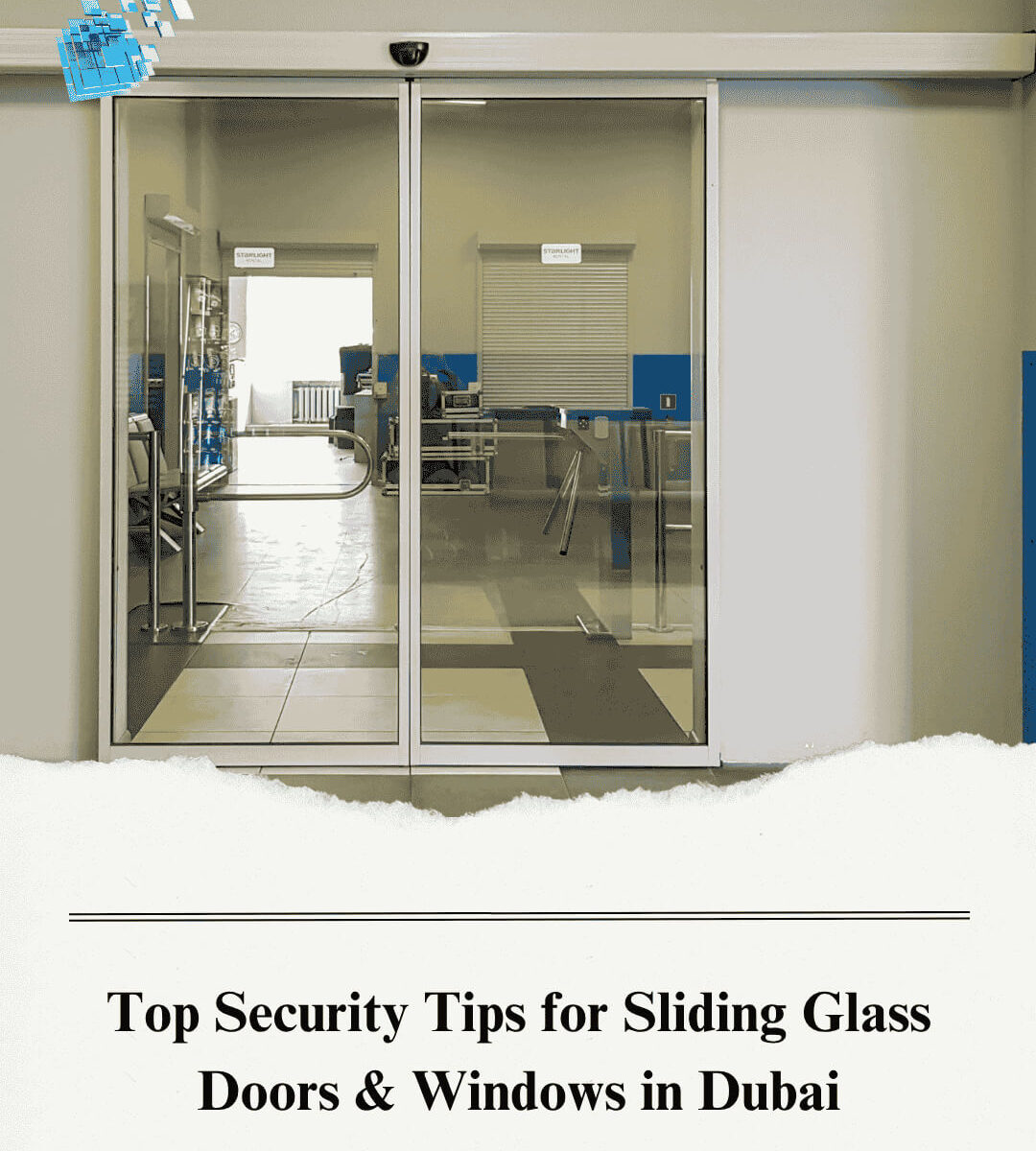
Top Security Tips for Sliding Glass Doors & Windows in Dubai

sliding-glass-doors

Big windows and sliding glass doors are now common in the modern houses in the UAE. They enlighten the living rooms, open the inside to the gardening or the balconies as well as bring the luxury touch to daily life. These fashionable features however may also be the weak points of intruders, unless adequate security measures are put in place.

The positive news is that household owners in the UAE will be able to live both luxuriously and safely using a couple of clever tips. These are some of the best strategies to ensure that your glass doors and windows are secured, as well as taking into account the climate and security situation in the region.

How to Improve the Security and Safety of Your Sliding Door?

1. Upgrade to Stronger Locks

The default latches on sliding doors are usually easy to bypass. Installing double-bolt or keyed locks can drastically improve safety. In kitchens designed with Glass Worktops, where high-value appliances are often on display, investing in advanced locks ensures peace of mind.

2. Add Security Bars or Track Rods

A track rod or security bar placed along the sliding track prevents forced entry. This is a simple but effective solution for apartments with balconies bordered by Glass Balustrades, where residents want to enjoy open views while keeping their homes secure.

3. Reinforce with Shatter-Resistant Film

Glass panels are elegant but fragile. Applying a shatter-resistant security film makes sliding doors harder to break and also provides UV protection. Villas with open layouts and Glass Partitions benefit greatly from this upgrade, as it enhances both safety and comfort indoors.

4. Use Frosted Film or Blinds for Privacy

Burglars often scout homes before breaking in. Installing blinds or frosted glass film ensures privacy while maintaining natural light. In homes featuring stylish Glass Splashbacks, frosted designs are often chosen to complement interiors while deterring unwanted attention.

5. Install Motion-Sensor Lights

Lighting is a powerful deterrent. Motion-sensor floodlights activate when movement is detected, keeping intruders away. This is especially effective for villas with patios and Glass Sliding Doors, where lighting doubles as both security and outdoor ambience.

6. Maintain Tracks and Rollers

The UAE’s sandy environment can quickly clog sliding door tracks, leaving gaps that compromise security. Regular cleaning and lubrication help doors close tightly. This is particularly important in bathrooms with Glass Shower Rooms, where moisture and dust can speed up wear and tear.

7. Protect Valuables with Smart Sensors

Adding smart sensors to sliding doors or windows provides instant alerts if tampered with. Homeowners who display valuables in Glass Display Boxes often combine such technology with alarms to ensure their prized possessions remain safe.

Weather in the UAE: Its Impact on Sliding Glass Doors

The climate in the UAE comes with its own difficulties. Heat may also cause the expansion of glass and dust storms may destroy tracks and reduce visibility. Sliding installations are best suited to laminated glass, which is supplied with UV-coatings to provide protection against break-ins and weather conditions. These features such as Glass Sliding Doors are maintained well such that they do not cripple due to the environmental stresses.

Security in Dubai: Why Extra Protection Matters

Dubai is known to be safe in the world, yet even in this case, simple security precautions are needed. Luxury properties commonly incorporate elements such as Glass Balustrades in balconies and Glass Partitions in interiors that are big thus being fashionable but need to be secured to avoid opportunistic infiltrations. Installing reinforced locks, motion-sensitive lights, and intelligent alarms will make sure that residents are not denied a chance to live luxuriously and not to be afraid of security breaches.

FAQs

How can I make my sliding glass door more secure?

You can make a sliding glass door more secure by upgrading to double-bolt locks, adding a track bar, and applying shatter-resistant film. Motion-sensor lights and smart alarms further reduce intrusion risks.

What is the best privacy option for sliding glass doors?

The best privacy options are frosted films, blackout curtains, or vertical blinds. These reduce outside visibility while maintaining natural light inside the home.

How to burglar proof glass doors?

To burglar proof glass doors, combine strong locks, laminated or tempered glass, and security screens. Adding sensors and cameras creates multiple barriers against forced entry.

How to permanently lock a sliding door?

A sliding door can be permanently locked with a keyed double-bolt lock or by installing a fixed security bar in the track. For added safety, many homeowners also seal unused sliding doors with reinforced frames.

Get Durable and Stylish Patio Doors from Murtaza Glass

These tips are useful in securing the safety of the sliding glass doors and windows but the ultimate way of being safe is through quality products. At Murtaza Glass and Frames we make sliding patio doors and hinge doors to the garden with high-quality materials that suit the climate of the UAE.

Our line is tough, attractive as well as customizable, with the option of deadbolt locks, laminated security glass or custom finishes to suit interiors with Glass Splash backs, Glass Sliding Doors, or even Glass Worktops. We also have unique option of solutions to each house as either modern Glass Shower Rooms or decorative Glass Display Boxes, which is not only safe but also elegant.

And yet you are not sure what to do to improve your door security on the patio? Call us Now +971 58 543 0631 we will be happy to answer any more questions you might have.

Explore More Expert Insights

Discover custom-designed glass solutions, mirrors, and partitions that enhance the elegance and functionality of any space.

Smart Glass vs. Traditional Glass: Why the World Is Switching

smart-glass-vs-traditional-glass

Glass has always been a cornerstone of modern architecture and interior design, celebrated for its transparency and elegance. However, traditional glass has limitations in energy efficiency, privacy, and adaptability.

Enter smart glass, a technological innovation that allows glass to switch between transparent and opaque states, transforming how we experience natural light, privacy, and design aesthetics. From luxury villas to high-end offices, smart glass is becoming the preferred choice, and here’s why the world is making the switch.

What Is Smart Glass?

Smart glass, also called switchable glass, is designed to change its properties transparency, opacity, or tint based on electrical signals, light, or temperature. Its ability to adapt makes it ideal for controlling heat, glare, and privacy without relying on curtains, blinds, or frosted films with unmatched energy efficiency and cost savings.

There are three main types of smart glass:

  • Electrochromic: Gradually adjusts tint with voltage.
  • Polymer-Dispersed Liquid Crystal (PDLC): Switches instantly between opaque and clear.
  • Photochromic: Automatically reacts to sunlight.

This flexibility is one of the reasons smart glass is preferred in modern design over traditional glass.

Limitations of Traditional Glass

Traditional glass is static—it cannot change transparency or respond to environmental conditions. While it allows natural light, it offers no control over privacy or heat gain. High sunlight exposure can make interiors uncomfortable, drive up air conditioning costs, and necessitate curtains or blinds that compromise aesthetics.

In contrast, smart glass can be integrated in versatile applications, from glass shower rooms to office partitions, solving these issues elegantly.

Energy Efficiency: Smart Glass Leads

One of the biggest advantages of smart glass is energy efficiency. In sunny climates, traditional glass can increase indoor temperatures, requiring more air conditioning. Smart glass regulates heat and light penetration, reducing reliance on HVAC systems and lowering energy bills.

Installing smart glass behind glass splash backs in a kitchen allows homeowners to enjoy natural sunlight without overheating the room. The ability to control transparency also helps prevent UV damage to furniture and flooring.

Privacy and Comfort: Instant Control

Privacy is often a challenge in spaces with large glass panels. Traditional glass requires curtains, blinds, or frosted treatments, which can limit natural light and add maintenance tasks. Smart glass solves this by allowing instant control over transparency.

In glass shower rooms, smart glass instantly switches to opaque mode, providing privacy while maintaining a sleek and modern design. Office spaces with glass partitions benefit from dynamic privacy options for meetings without the need for additional window treatments.

Design Flexibility: Aesthetics That Adapt

Smart glass enhances design possibilities. Its minimalist and modern look removes the need for decorative coverings, making interiors feel open and sophisticated. Architects can use it in various settings, including:

  • Glass worktops: Smart glass surfaces in kitchens can regulate reflection and glare while maintaining a luxurious finish.
  • Reflective and tinted glass in facades or partitions adds visual appeal while providing additional sun control.

This adaptability makes smart glass a preferred choice for contemporary villas, hotels, and offices.

Cost Considerations: Short-Term vs. Long-Term

Smart glass has a higher upfront cost than traditional glass. However, the long-term benefits—including energy savings, reduced maintenance, and increased property value—make it a worthwhile investment.

Retrofitting existing windows with smart films offers many of the advantages of full smart glass at a fraction of the cost. These films transform standard glass into adaptive surfaces, ideal for both residential and commercial projects.

Durability and Maintenance

Both traditional and smart glass are durable. However, smart glass reduces the need for additional coverings like blinds or frosted panels, lowering maintenance requirements. It is particularly useful in high-touch surfaces like glass worktops or decorative panels, where cleanliness and aesthetic appeal are essential.

Real-World Applications

Smart glass is increasingly used across different spaces:

  • Residential Villas: Used in glass shower rooms, glass worktops, and glass splash backs, allowing privacy, light control, and modern aesthetics.
  • Offices: Smart partitions provide flexible private areas without obstructing natural light.
  • Retail and Hospitality: Reflective and tinted glass enhances branding, controls UV rays, and adds an upscale look.
  • Retrofits: Smart films turn existing windows into switchable surfaces, avoiding the need for full glass replacement.

These applications demonstrate how smart glass improves comfort, efficiency, and design while addressing the limitations of traditional glass.

Smart vs Traditional Glass: Quick Comparison

Feature Smart Glass Traditional Glass
Transparency Control Switchable clear/opaque Fixed, requires curtains or frosted film
Energy Efficiency Reduces heat gain, lowers AC costs High heat gain, increases cooling costs
Privacy Instant, adjustable Requires blinds, curtains, or frosted film
Aesthetic Appeal Sleek, modern, adaptable Static; may need additional treatments
Maintenance Low; no coverings needed High; regular cleaning and dusting
Cost Higher upfront, long-term savings Lower upfront, potential higher energy costs
Applications Villas, offices, hotels, retail Standard residential and commercial uses

The Future of Glass in Architecture

Smart glass is not a fleeting trend—it is shaping the future of modern architecture. Its adaptability, energy efficiency, and design flexibility make it ideal for sustainable construction. As technology advances, smart films and other cost-effective solutions are making smart glass accessible for retrofits and new constructions alike.

Designers can now create spaces that adapt to occupant needs, whether through controlling natural light, enhancing privacy, or improving energy efficiency. This level of adaptability is unmatched by traditional glass.

FAQs

What is the difference between smart glass and normal glass?

Smart glass differs from normal glass because it can change its transparency or opacity on demand using electric or electrochromic technology, whereas normal glass has a fixed transparency that cannot be altered.

Why is glass made in the UAE?

Glass is made in the UAE to meet the high demand from the construction and architectural sectors, reduce dependence on imports, and support local industrial growth.

What are the disadvantages of smart glass?

The disadvantages of smart glass include its higher cost, the need for electricity or control systems to operate, potential durability issues over time, and limited options for DIY repairs.

What is the alternative to smart glass?

Alternatives to smart glass include window films such as tinted or reflective films, curtains or blinds, and frosted or laminated glass.

Conclusion

With applications in glass worktops, glass splash backs, glass shower rooms, reflective and tinted glass, and smart films, smart glass is transforming both residential and commercial spaces. While traditional glass remains functional, smart glass provides the adaptability, elegance, and sustainability required for modern living.

For homeowners, architects, and designers looking to combine innovation, comfort, and efficiency, smart glass is the clear choice for the future.

I highly recommend Murtaza Glass & Frames Trd LLC is the authorized service provider for glass work in Dubai, delivering high-quality solutions that satisfy architects and clients alike.

Laminated vs Tempered Glass: Which to Choose?

laminated-vs-tempered-glass

In building construction, architecture, or interior design, choosing the right kind of safety glass is paramount. Glass is not just a visual feature—it plays an essential role in safety, durability, and functionality. Two of the most common forms of safety glass are laminated glass and tempered glass.

Each is unique in its characteristics, uses, advantages, and disadvantages. In this guide, we clarify laminated glass and tempered glass at length and compare their features so you can make an educated decision for your project.

What Is Laminated Glass?

Laminated glass is created by bonding two or more sheets of glass with an interlayer, normally polyvinyl butyral (PVB). When the glass breaks, the pieces remain attached to the interlayer, preventing the possibility of injury and maintaining the integrity of the structure.

Some of the major advantages of laminated glass include:

  • Enhanced safety and security
  • Good sound insulation
  • Resistant to forced entry
  • High protection against UV

This is the reason why laminated glass is so widely used for outside windows, store fronts, skylights, and even sliding glass doors, where safety and strength are the biggest issues.

What Is Tempered Glass?

Tempered, or toughened glass, is created by heating regular glass and rapidly cooling it. This thermal treatment lends its distinctive strength two to four or even five times the regular annealed glass.

If tempered glass breaks, it breaks into blunt small fragments rather than the sharp jagged pieces of glass, lessening the chance of serious injury.

Tempered glass is widely applied in shower enclosures, partitions, and shower glass rooms where strength and safety are also essential.

Key Differences: Laminated vs Tempered Glass

Feature Laminated Glass Tempered Glass
Safety on Breakage Holds together when broken, shards stick to interlayer Shatters into blunt small fragments
Impact Resistance More resistant to forced entry and impact from debris Very resistant, but on shattering, fails completely
UV Protection & Noise Control Good UV protection and sound control Poor UV and noise protection
Cost & Weight More costly, heavier panels Less costly, lighter panels
Customizability Can be frosted, tinted, or layered Cannot be cut or altered after tempering

Advantages and Disadvantages of Each

Laminated Glass: Advantages & Disadvantages

Advantages:

  • Offers higher safety as the glass stays bonded in case of breakage.
  • Protects against UV light, which prevents interior and fabric from fading.
  • Practically silences noise, perfect for high-traffic areas.
  • Is more resistant to break-ins and vandalism than tempered glass.

Limitations:

  • Is heavier and needs stronger framing.
  • Is more costly than tempered glass.
  • Installation is a bit more complicated.

Tempered Glass: Advantages & Disadvantages

Advantages:

  • Far stronger than standard glass.
  • Breaks up into less hazardous pieces when it does break.
  • It is cheaper than laminated glass.
  • Best for frameless styles like glass splashbacks, where appearance and safety are important considerations.

Limitations:

  • Provides minimal UV or sound protection.
  • Cannot be cut or altered once tempered.
  • Must be replaced entirely once damaged.

Which Glass Do You Need?

Laminated or tempered glass will depend on what you require for your project.

Select Laminated Glass when:

  • Safety and security are paramount for you.
  • You require protection from UV and acoustic dampening.
  • The glass will be applied to exterior windows, storefronts, or overhead glazing.

Select Tempered Glass if:

  • You require tough, affordable safety glass.
  • The usage is indoors, like shower enclosures or cabinets with glass doors.
  • You require a frameless or lightweight build.

Real-World Uses

Laminated Glass

  • Automobile windshields
  • High-rise windows
  • Storefronts and facades
  • Skylights and canopies

Tempered Glass

  • Shower doors
  • Interior partitions
  • Glass shower rooms and enclosures
  • Glass furniture and tabletops

Combination Use

Tempered and laminated glass are employed together in most instances. Laminated glass, for instance, can be created using tempered panels in order to merge the advantages of both. This composite material is more impact-resistant, safe, and durable.

FAQs

Which is better, tempered or laminated glass?

Tempered glass is stronger and safer on impact, shattering into small blunt pieces. Laminated glass offers better safety, UV protection, and noise control, as it holds together when broken.

What is the disadvantage of tempered glass?

Tempered glass shatters completely into small fragments when broken, offering no residual strength. It also cannot be cut, drilled, or reshaped after tempering.

Can laminated glass be used instead of tempered glass?

Yes, laminated glass can be used instead of tempered glass, especially where safety, soundproofing, and UV protection are priorities. However, tempered glass is better for high-impact resistance and cost efficiency.

Final Thoughts

Both laminated glass and tempered glass are excellent choices depending on where and how you intend to use them. Laminated glass is superior in safety, UV blocking, and soundproofing, hence highly appropriate for outdoor use and high-security environments. Tempered glass provides durability, safety, and value, hence ideal for glass sliding doors, kitchen cabinets, beautiful glass splashbacks, and glass shower rooms.

When selecting laminated or tempered glass, always remember safety requirements, price, appearance, and durability over time. It would be best to hire an expert glass manufacturer or installer to ensure that your selected glass for your use is suitable to your intention.

Murtaza Glass & Frames Trd LLC is the authorized service provider glass work in Dubai, and provides the satisfying architect.