
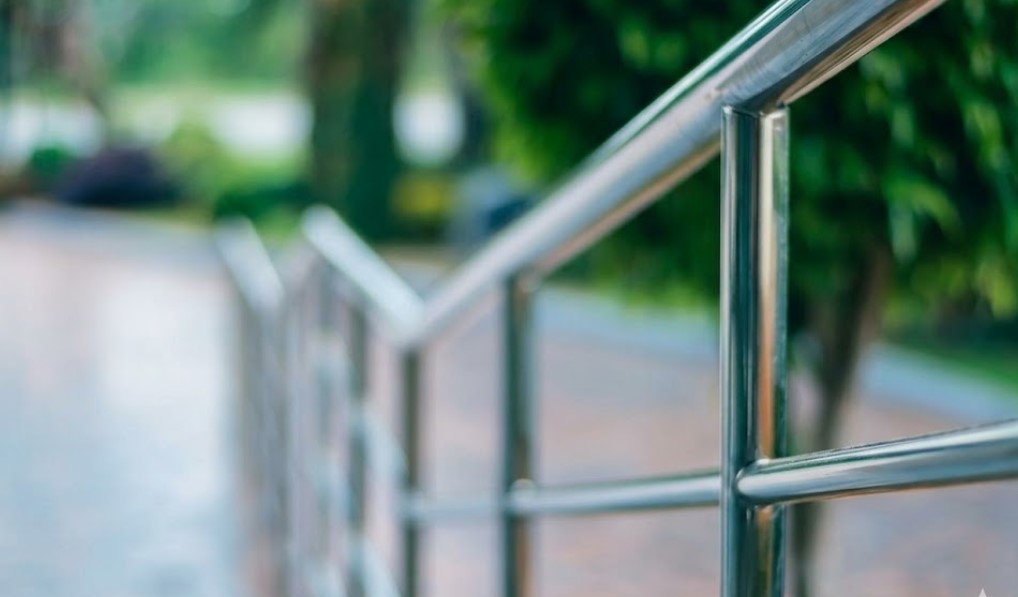
In Dubai’s modern construction and architectural landscape, many property developers and homeowners often ask: “What is the difference between a handrail and a guardrail?” Understanding this distinction is crucial for both safety compliance and aesthetic appeal.
While both serve protective functions, they are designed for different purposes, materials, and installation requirements.
This guide dives into practical insights, industry standards, and buyer-focused considerations to help you choose the right solution for your project.
A handrail is primarily designed to provide support and guidance for individuals when walking along stairs, ramps, or corridors. Choosing the right handrail can enhance both safety and style, and our range of durable and stylish handrail solutions offers options that blend seamlessly with modern interiors and commercial spaces.
It is typically installed at a height that allows users to grip comfortably, enhancing stability and preventing slips or falls.
Handrails are essential in both residential and commercial buildings, particularly in high-traffic areas in Dubai such as malls, offices, and luxury apartments.
Unlike a handrail, a guardrail is designed as a barrier to prevent people from falling from elevated surfaces such as balconies, terraces, or mezzanine floors. Guardrails are structural safety features, ensuring compliance with Dubai’s building regulations.
Guardrails not only enhance safety but also contribute to architectural elegance when designed with high-quality materials suitable for Dubai’s modern buildings.
Choosing between a handrail and a guardrail starts with knowing their functional and regulatory differences. Both improve safety but in distinct ways.
Key Differences and Details:
This detailed distinction helps in selecting materials, design, and installation methods while ensuring safety compliance.
| Feature | Handrail | Guardrail |
|---|---|---|
| Primary Purpose | Provides a steadying, graspable surface for safe mobility | Acts as a barrier to prevent falls from edges |
| Design & Structure | Mounted to walls or posts; easy to grip | Taller (42 inches commercial); includes infill like balusters or panels |
| Location | Required on stairways with more than three risers | Required on open-sided walking surfaces with a drop of 30 inches or more |
| Regulatory Requirements | Focus on ergonomics and graspability | Must withstand lateral force; complies with OSHA and Dubai building codes |
| Combination | Can be standalone | Often includes a handrail for combined safety |
| Material Options | Stainless steel, aluminum, wood | Tempered glass, stainless steel, aluminum |
| Common Applications in Dubai | Indoor stairs, ramps, corridors | Balconies, terraces, high-rise terraces, mezzanines |
In Dubai’s luxury real estate and commercial construction market, material choice can enhance both safety and style.
Highly durable, corrosion-resistant, and low maintenance. Ideal for handrails in high-traffic areas.
Lightweight yet strong, often used for guardrails on terraces and balconies.
Provides a sleek, modern look while meeting safety standards. Popular for guardrails in hotels, offices, and high-rise apartments.
Used primarily in indoor settings for handrails, offering warmth and traditional aesthetics.
Proper installation ensures maximum safety and compliance with local regulations.
Hiring certified installers in Dubai ensures both safety compliance and design precision, avoiding potential liability issues.
Both handrails and guardrails require periodic maintenance to retain safety and appearance.
Choosing high-quality materials reduces long-term maintenance costs while maintaining safety standards.
When deciding between handrails and guardrails, consider:
High-end construction projects in Dubai often combine both elements to maximize safety without compromising on style.
This blog explains the key differences between handrails and guardrails in Dubai buildings, covering safety standards, design, material options like stainless steel, tempered glass, and aluminum, as well as installation tips for residential and commercial projects.
Handrails are typically 34–38 inches high, while guardrails are 42 inches or taller in commercial buildings. Both must comply with safety standards.
The four types include stainless steel, aluminum, wood, and tempered glass guardrails, each suited for different settings and safety requirements.
Dubai Municipality regulations require handrails and guardrails to meet height, strength, and material safety standards for both residential and commercial projects.
Tempered glass, stainless steel, and aluminum are ideal for Dubai high-rises, resisting heat, UV, and coastal humidity while maintaining safety.
Choosing the right handrail and guardrail is crucial for safety, functionality, and design, especially in Dubai’s residential and commercial buildings. By understanding differences in purpose, height, materials, and installation requirements, you can make informed decisions that comply with local regulations and enhance the aesthetics of your property.
For professional guidance on selecting, installing, or maintaining certified handrails and guardrails across the UAE, Murtaza Glass & Frames Trd. L.L.C offers expert advice, high-quality materials, and skilled installation.
Contact our experts today to ensure your project achieves maximum safety while elevating your space’s visual appeal.
Discover professional guides on glass solutions, from doors and partitions to balustrades and windows, helping you choose the perfect style for your home or business.
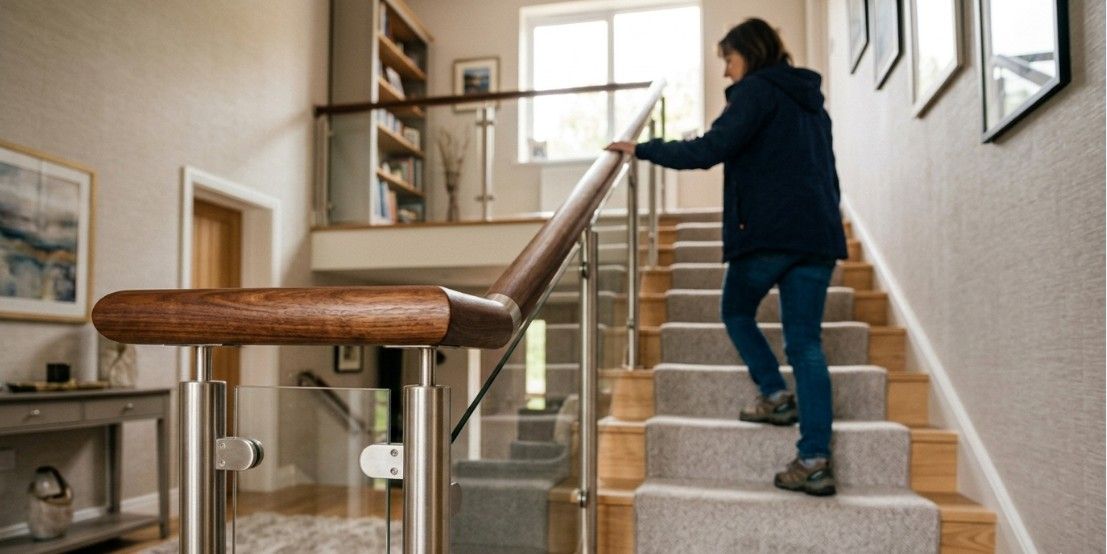
April 9, 2026
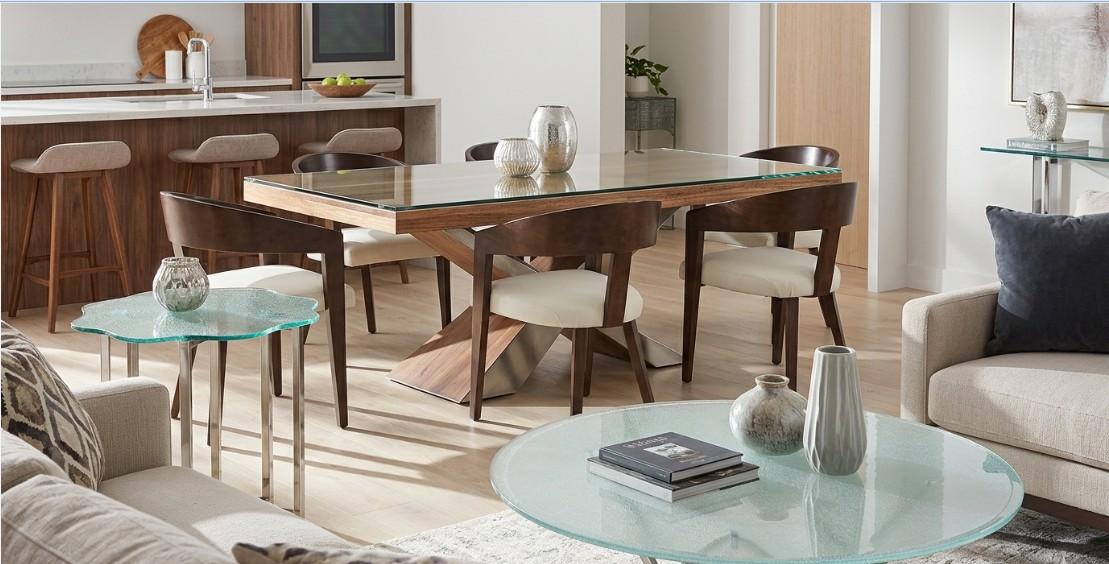
April 2, 2026
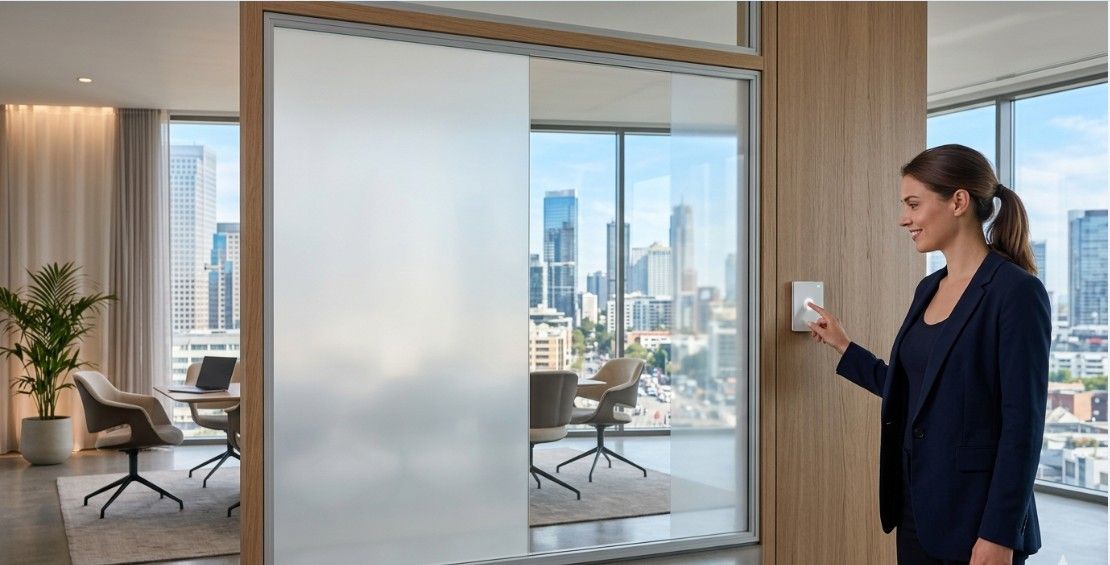
March 27, 2026
March 18, 2026
March 13, 2026
 +971 58 543 0631
