
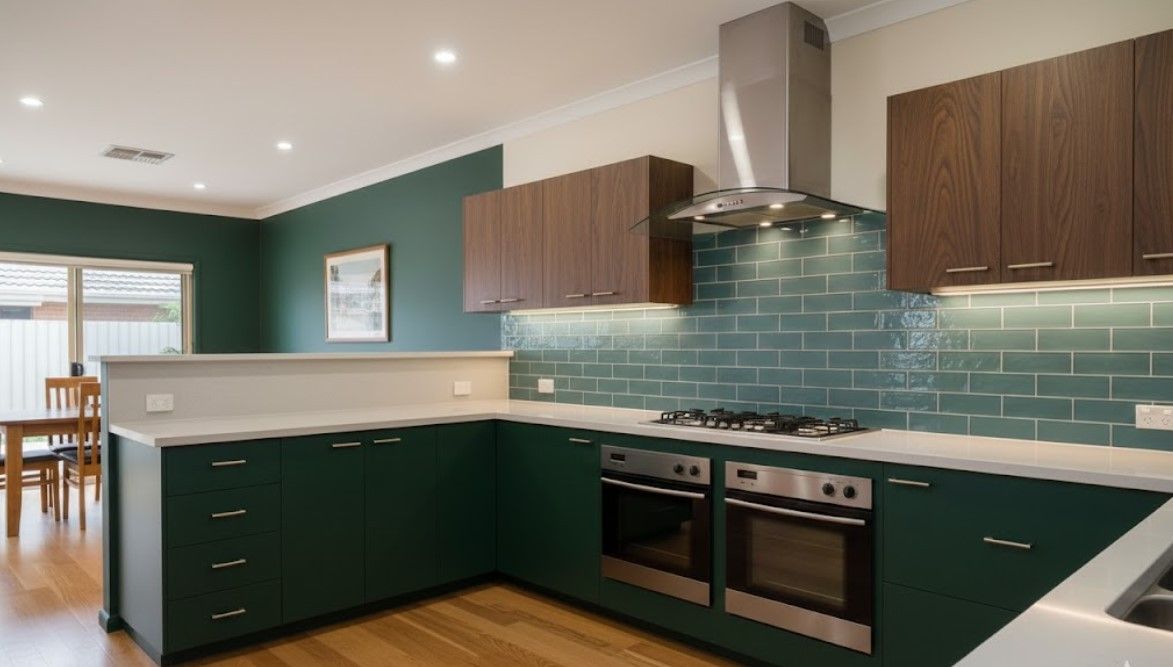
When designing a modern kitchen or bathroom, the choice between glass splashbacks and tiles is pivotal. Both materials offer durability and aesthetic appeal, but understanding their practical advantages, installation requirements, and maintenance considerations is essential for homeowners, interior designers, and contractors seeking long-term value.
Glass splashbacks are smooth, tempered glass panels installed behind kitchen counters, sinks, or cooking areas. They act as a protective layer against stains, water, and heat while enhancing visual appeal. Available in custom colors, finishes, and even printed designs, glass panels offer seamless surfaces that can elevate contemporary interiors.
Glass panels are particularly suitable for open kitchens or commercial spaces where visual continuity and hygiene are priorities. Professionals often recommend combining tempered glass with aluminium trims for secure, long-lasting installation.
If you want precision fitting and certified materials for your project, consider choosing the best glass splashback services to ensure reliable performance and a flawless finish.
Glass panels are particularly suitable for open kitchens or commercial spaces where visual continuity and hygiene are priorities. Professionals often recommend combining tempered glass with aluminium trims for secure, long-lasting installation.
Tiles are ceramic, porcelain, or natural stone pieces applied individually to walls. Their popularity stems from versatility, ease of replacement, and long-standing use in both kitchens and bathrooms.
Tiles come in various sizes, textures, and finishes, making them adaptable to many design aesthetics.
However, tiled surfaces feature grout lines that can trap dirt and require regular sealing. For high-use kitchens, this might increase maintenance efforts compared to glass panels.
Choosing the right wall finish depends on your priorities. The comparison below covers key considerations:
Glass splashbacks require professional cutting, precise measurements, and secure mounting, often with silicone or aluminium profiles. This leads to higher upfront costs but minimal maintenance later.
Tiles are generally easier to install, with DIY options available, but labor costs can rise for complex patterns or large surfaces.
Glass is non-porous, making it stain-resistant, mold-resistant, and easy to wipe clean, ideal for busy kitchens. Tiles, especially those with textured surfaces, can accumulate grime in grout lines, requiring sealing and frequent cleaning.
For a modern and minimalist look, glass splashbacks offer uninterrupted, reflective surfaces, available in custom prints. Tiles excel in traditional or patterned designs, with mosaic and textured options for more elaborate aesthetics.
Tempered glass panels are strong, heat-resistant, and can withstand minor impacts. Tiles are scratch-resistant but can crack or chip under strong impact. Both require professional installation to maximize durability and safety.
Glass is fully recyclable and free from harmful chemicals, whereas some tile adhesives and grouts may emit VOCs. For environmentally conscious projects, glass can be a greener option.
When deciding between glass splashbacks and tiles, evaluate these practical factors to match performance with your project requirements:
Yes, they usually cost more upfront due to custom fabrication and installation. However, their durability and low maintenance often reduce long-term expenses.
Most ceramic and porcelain tiles tolerate normal cooking temperatures. Proper adhesive and grout selection ensures safe performance near cooktops.
Tiles themselves are easy to clean with standard household products. Grout lines need occasional scrubbing and sealing to prevent stains.
High-quality tempered glass is engineered to resist heat and impact. Professional installation greatly reduces the risk of damage.
Both glass splashbacks and tiles bring unique advantages, but the ultimate choice hinges on your design preference, maintenance tolerance, and budget. Glass panels are ideal for modern, low-maintenance spaces, while tiles offer versatility and traditional charm.
For professional guidance on selecting, installing, or maintaining glass splashbacks across the UAE, Murtaza Glass & Frames Trd. L.L.C is a reliable source that provides certified materials, expert installation, and practical advice.
Contact our glass specialists to ensure your project achieves both durability and visual excellence.
Discover professional guides on glass solutions, from doors and partitions to balustrades and windows, helping you choose the perfect style for your home or business.
March 27, 2026
March 18, 2026
March 13, 2026

March 3, 2026
February 24, 2026
 +971 58 543 0631
