
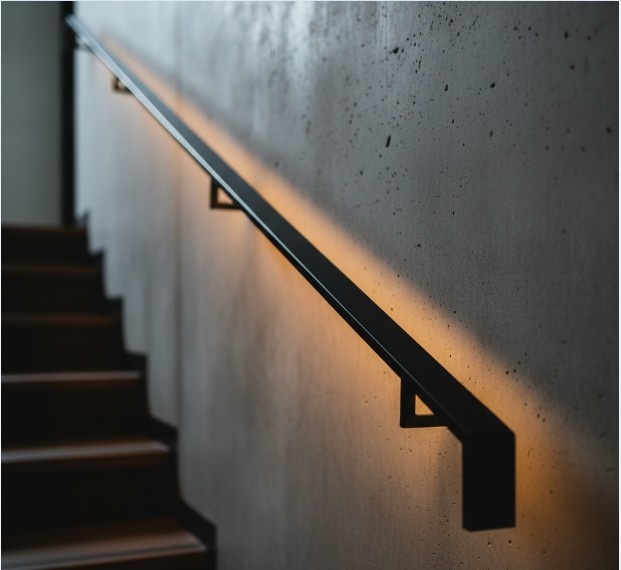
In homes, offices, and public spaces, safety is always a top priority. Among the most crucial yet often overlooked safety features are handrails. They provide support, prevent accidents, and guide people safely along stairs, ramps, and balconies. Beyond safety, handrails contribute to the design, style, and accessibility of a space.
Understanding handrail types, materials, and standards helps ensure the best choice for both safety and aesthetics in any environment.
Handrails are essential safety components that provide support, stability, and balance on stairs, ramps, balconies, and walkways. They prevent slips, falls, and accidents while enhancing the aesthetic appeal of residential, commercial, and industrial spaces.
Selecting the right handrail requires considering material, design, durability, and compliance with safety regulations, including building codes and ADA accessibility standards. For projects that demand both safety and style, investing in durable and stylish handrail solutions ensures long-lasting support while elevating the look of your space.
Wall-mounted handrails attach directly to walls, making them ideal for narrow staircases, corridors, and confined spaces. Commonly used in residential homes, hospitals, and offices, they save space while providing consistent support.
Pros: Space-saving, easy installation, low maintenance.
Cons: Limited design flexibility, mostly suited for straight runs.
Freestanding handrails are independent structures installed on stairs, ramps, or balconies. Often combined with glass panels or metal balusters, they are popular in modern homes and commercial buildings.
Pros: Maximum support, design flexibility, integrates with modern aesthetics.
Cons: Requires more floor space, slightly higher installation cost.
Some handrails serve specialized purposes:
Handrails come in a variety of durable materials, each with unique benefits suited to different environments:
Handrails must meet ISO 14122, BS 6180, and local building codes to ensure safety. Key considerations include:
Handrails should complement the overall interior or exterior design. Proper material selection, finishes, and baluster styles can make a functional element visually appealing.
Buildings serving people with disabilities must follow ADA or local accessibility rules. Continuous rails, contrasting colors, and tactile finishes enhance usability and visibility.
Regular inspection ensures longevity. Stainless steel and PVC handrails need minimal upkeep, while wood and glass may require cleaning or refinishing.
Handrails must meet height, grip, and load requirements set by building codes. They should be durable, non-slip, and provide continuous support.
Handrails can be wall-mounted, freestanding, continuous, or segmental. Specialty handrails include ADA-compliant, balcony, and industrial types.
ISO 14122 specifies safety requirements for handrails in machinery and industrial settings. It ensures proper height, strength, and accessibility compliance.
Standard handrail details include a height of 34–38 inches for stairs, 1.25–2 inch grip diameter, and secure mounting brackets. Materials and design depend on use and environment.
Choosing the right handrail is more than just a safety requirement; it is a critical decision that impacts the overall functionality, durability, and aesthetics of any space. From stair safety in residential homes to heavy-duty industrial handrails, understanding the differences in types, materials, and compliance standards ensures you make an informed choice.
Proper selection not only prevents accidents but also elevates the design and accessibility of your property, enhancing both user experience and long-term value. Material choice, whether stainless steel, wood, aluminum, glass, or PVC, influences durability, maintenance, and cost, while adherence to building codes, ADA guidelines, and ergonomic standards guarantees safety and regulatory compliance.
For professional guidance on selecting, installing, or maintaining certified handrails across the UAE, Murtaza Glass & Frames Trd. L.L.C provides expert advice, durable materials, and skilled installation services.
Contact our handrails specialists to ensure your project achieves both exceptional safety and elegant design, transforming your spaces into secure and visually appealing environments.
Discover professional guides on glass solutions, from doors and partitions to balustrades and windows, helping you choose the perfect style for your home or business.
April 2, 2026
March 27, 2026
March 18, 2026
March 13, 2026
March 3, 2026
 +971 58 543 0631
