
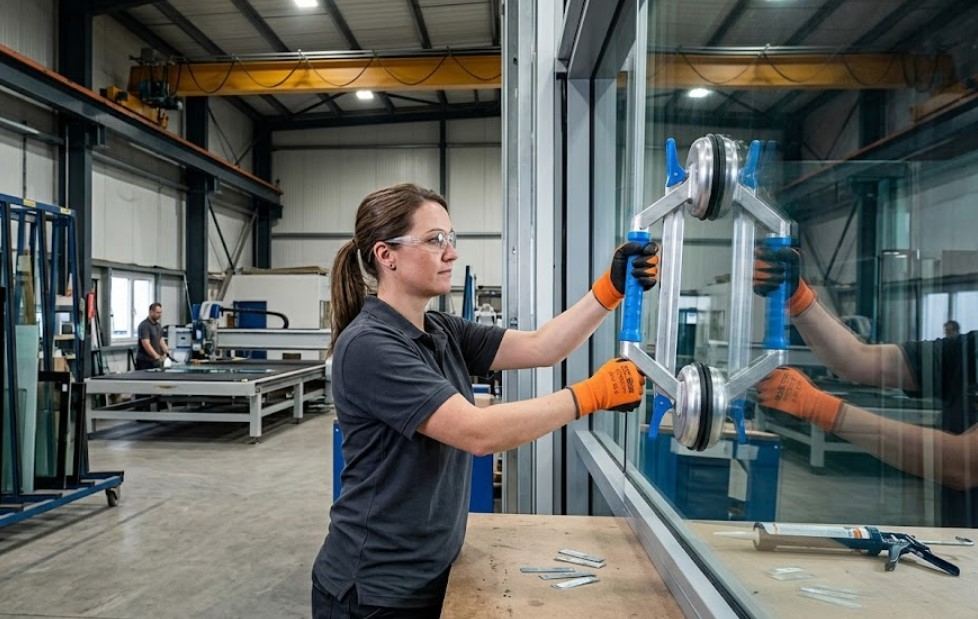
Most common glass installation mistakes include incorrect measurements, improper sealant application, ignoring thermal expansion, using the wrong glass type, and skipping safety protocols. These errors lead to cracked panes, air and water leaks, structural failures, and costly rework.
Avoiding them starts with proper measurement, correct material selection, and following manufacturer installation guidelines. Glass installation looks simple from the outside, but even experienced contractors make errors that compromise safety and durability.
Whether you are installing windows, glass doors, shower enclosures, or storefront glazing, small mistakes can lead to big problems. This guide breaks down the most frequent glass installation mistakes and practical ways to avoid them.
The single most common mistake is inaccurate measurement before ordering or cutting glass. Even a small sizing error, sometimes just a few millimeters, can prevent glass from fitting properly into a frame. This often results in excessive pressure on the edges, which increases the risk of cracking.
Most glass installation errors happen due to rushed timelines, insufficient training, or skipping manufacturer specifications. Glass behaves differently than other building materials because it expands, contracts, and carries load in unique ways.
Without proper technique, installers may unintentionally create stress points that lead to failure months or years later.
Ordering glass based on rough estimates instead of precise, verified measurements is a leading cause of installation failure. Always measure twice, account for frame tolerances, and confirm expansion gaps before cutting or ordering glass.
Using the wrong sealant, applying too little, or skipping gaskets entirely can cause leaks, drafts, and reduced structural integrity. Choose sealants rated for glass and the specific environment, such as UV exposure or moisture, and apply them evenly along the entire perimeter.
Glass expands and contracts with temperature changes, and frames need to accommodate this movement. Installing glass too tightly without expansion gaps often leads to cracking, especially in large panes or high heat environments.
Not all glass is interchangeable. Tempered glass, laminated glass, and annealed glass each serve different safety and performance needs, and using the wrong type can violate building codes or create safety hazards.
Installing glass into a frame that is dirty, uneven, or improperly aligned creates uneven pressure points. Clean and inspect frames thoroughly, and confirm they are level and square before placing the glass.
Glass needs even support along its edges, typically using setting blocks. Skipping or misplacing these blocks can cause the glass to bear weight unevenly, increasing the risk of stress fractures.
Glass installation involves serious safety risks, including cuts, structural collapse, and glass breakage under pressure. Skipping protective equipment, proper lifting techniques, or fall protection on elevated installations significantly increases injury risk.
According to occupational safety data, glazing related injuries remain among the more preventable incidents in construction when proper protocols are followed, and a certified safety reference should be cited here for precise figures.
Glazing refers specifically to the process of fitting glass into a frame using sealants, gaskets, or beads to secure it in place. Glass installation is the broader process, which includes measuring, handling, positioning, and glazing the glass as a complete system.
Understanding this distinction helps ensure the right techniques and materials are used at each stage.
Follow this checklist to reduce errors and improve long term performance.
Following each step in order significantly reduces the risk of cracked glass, leaks, and structural issues after installation.
You should hire a professional glass installer for large glass panels, structural glazing, high rise buildings, or any installation involving safety glass requirements. Professionals bring specialized tools, training, and knowledge of local codes that reduce risk and improve long term durability.
For smaller, low risk projects, trained contractors following manufacturer guidelines can often complete installations safely. Glass installation mistakes are common, but nearly all of them are preventable with proper planning, correct materials, and attention to detail.
Whether you are a contractor, builder, or property owner, following these best practices helps ensure a safer, longer lasting result. If you are planning a glass installation project, consult a certified glass professional to review your measurements, materials, and safety plan before work begins.
The biggest mistake is inaccurate measurement before cutting or ordering glass. Even minor sizing errors can create pressure points that lead to cracking or improper fit.
Yes, glass can crack from incorrect installation, especially when expansion gaps are missing or the glass is installed too tightly. Thermal movement without proper clearance is a leading cause of post installation cracking.
Tempered and laminated glass are generally considered the safest options for residential use because they resist shattering into sharp shards. The right choice depends on the specific application and local building codes.
No, glazing is the specific process of securing glass into a frame using sealants or gaskets. Glass installation is the broader process that includes measuring, handling, and glazing the glass as a complete system.
Preventing leaks requires using the correct sealant type and applying it evenly along the entire frame perimeter. Skipping sections or using an incompatible sealant is a common cause of later water intrusion.
Get the right glass solution from Murtaza Glass & Frames, a trusted glass and aluminium company serving Sharjah, Dubai, and across the UAE. From glass doors and partitions to windows, facades, and custom installations, we provide solutions for residential and commercial projects.
Contact Murtaza Glass today to discuss your glass requirements and get a reliable solution for your project.
September 30, 2026

September 24, 2026
September 17, 2026

September 8, 2026

September 1, 2026
 +971 58 543 0631
