
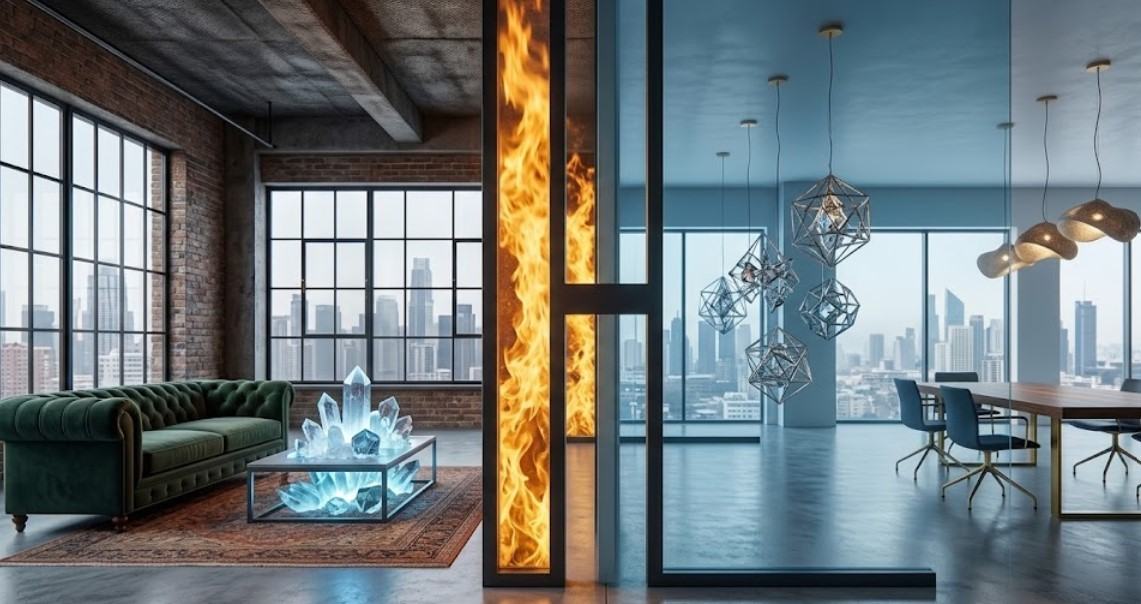
Glass is an important part of modern architecture, providing natural light, visibility, and a clean appearance. However, standard glazing is not designed to provide the same protection as specialized fire-rated products.
This makes understanding fire-rated glass vs. regular glass important when selecting glazing for offices, homes, hospitals, schools, commercial buildings, and high-rise projects.
The main difference is fire performance. Fire-rated glass is tested for a specified level of fire protection, while regular glass is intended for general glazing and does not provide a certified fire-resistance rating.
Choosing between them depends on the building’s safety requirements, application, specifications, and applicable regulations.
| Feature | Fire-Rated Glass | Regular Glass |
|---|---|---|
| Fire Protection | Tested for a specified fire rating | No certified fire rating |
| Flame Resistance | Designed for applicable fire exposure | Not designed for fire protection |
| Smoke Control | Available in suitable tested systems | No certified smoke protection |
| Heat Performance | Engineered for defined fire conditions | Can crack or shatter under extreme heat |
| Applications | Fire-rated doors, windows, partitions, and barriers | General doors, windows, and glazing |
| Cost | Generally higher | Generally more affordable |
The key difference is therefore not appearance. It is how the glazing performs when exposed to fire.
Fire-rated glass is a specialized glazing product designed and tested to provide a defined level of protection during fire exposure. Depending on the product and classification, it can help resist flames, smoke, heat, or a combination of these for a specified period.
Different technologies are used to produce fire-resistant glazing, including clear wired- glass for fire, specially tempered glass, and laminated systems with fire-resistant or intumescent interlayers.
These products are commonly used for fire-rated glass doors, windows, partitions, stairwells, corridors, fire barriers, and other areas where fire protection is required.
An important point is that fire-rated glass should not be evaluated as a standalone sheet. The glass, frame, seals, hardware, and installation method may all form part of the tested glazing assembly.
Regular glass, also called standard or ordinary glass, is commonly used for windows, doors, partitions, mirrors, and interior applications. Float and annealed glass are common examples, while tempered, laminated, frosted, tinted, and mirrored glass are used for different performance or design requirements.
Regular glass can provide excellent visibility, daylight, aesthetics, and general safety depending on its type. However, these properties do not automatically make it fire-rated.
When exposed to severe heat and thermal shock, ordinary glass can crack or shatter. Therefore, regular glass should not replace certified fire-rated glass where fire protection is required.
Its performance depends on its construction. Ceramic glass can withstand very high temperatures and thermal shock. Other systems use multiple glass layers with specialized interlayers. Intumescent materials can react to heat and expand, helping create an insulating barrier.
Wired glass contains a wire mesh designed to help retain the glass during fire exposure, while specially engineered tempered products may provide fire protection for specific tested applications.
This is why selecting fire-rated glass based only on thickness or appearance can be misleading. The required fire rating, application, dimensions, framing system, and certification should all be considered.
Fire-protective glass and fire-resistive glass are related but provide different levels of protection.
Fire-protective glazing is generally designed to protect against flames and, depending on its classification, smoke for a specified period. It is commonly used in doors, openings, and certain partitions.
Fire-resistive glazing provides broader protection and can address heat transfer as part of its tested performance. It may be required where glazing forms part of a fire-resistance-rated wall or larger opening.
The correct type depends on the building’s fire strategy, opening size, required rating, and applicable standards.
Fire-rated glass can be available with different ratings, including 30, 60, 90, and 120 minutes.
These ratings indicate how long the tested glazing assembly can maintain its specified performance under relevant fire-test conditions. A higher rating does not automatically mean the product is suitable for every application.
For example, a project requiring a particular fire-resistance classification should use a product and assembly that have been tested for that specific requirement.
Architects, contractors, and consultants should therefore confirm the required rating before selecting fire-rated glazing.
Is tempered glass fire rated? Not necessarily.
Tempered glass is heat-treated to improve strength and safety, but ordinary tempered glass should not automatically be considered fire-rated.
The same applies to laminated glass. Standard laminated glass can provide excellent impact and security performance, but it is not automatically fire resistant.
Only products specifically tested and certified for the intended fire-protection application should be selected when a fire rating is required.
Fire-rated glazing is useful when a project needs transparency while also meeting fire protection requirements. Common applications include:
The required product can vary significantly depending on the location and function of the glazing.
One of the most common buying questions is how much fire-rated glass costs.
Fire-rated glass is generally more expensive than regular glass because of specialized materials, engineering, testing, certification, and compatible framing requirements.
The fire rated glass cost in Dubai can depend on several factors, including:
Therefore, comparing only the glass price per square metre may not provide an accurate picture of the total project cost.
When looking for a fire rated glass suppliers in UAE, start with the project’s actual fire protection requirement.
Before purchasing, check:
For fire rated glass Dubai projects, early coordination between architects, consultants, contractors, and glazing specialists can help avoid compatibility and compliance problems.
Murtaza Glass is a trusted fire rated glass supplier in UAE, offering fire-rated glass solutions for commercial and residential projects.
Fire-rated glass can be used in many applications where regular glazing is used, but it is not always necessary.
Where fire protection is not required, regular glass may provide the required functionality at a lower cost. Where glazing forms part of a fire-rated barrier, door, window, or partition, certified fire-rated glass may be necessary.
The decision should therefore be based on the building’s requirements rather than simply selecting the most expensive option.
Fire-rated glass is tested to provide a specified level of fire protection for a defined period. Regular glass is designed for general glazing and does not have a certified fire-resistance rating.
Fire performance and mechanical strength are different properties. The performance depends on the specific glass construction and tested application.
Its overall service life depends on the product, environment, installation, and maintenance. The fire rating refers to its tested performance during fire exposure, not its total lifespan.
Certain fire-rated glazing systems are designed and tested to restrict smoke movement. The exact performance depends on the product and complete assembly.
Standard laminated glass is not automatically fire-rated. Only products specifically tested for fire applications should be treated as fire-rated glazing.
The difference between fire-rated glass and regular glass comes down to tested fire performance and intended use. Regular glass works well for general glazing, while fire-rated glass is designed for applications requiring verified fire protection.
When selecting fire rated glass in UAE, consider fire rating, certification, application, framing, and installation requirements.
For reliable fire rated glass in Dubai, contact Murtaza Glass today to discuss your project requirements and find the right glazing solution for your needs.
September 30, 2026

September 24, 2026
September 17, 2026
September 8, 2026
September 1, 2026
 +971 58 543 0631
