Modern Glass Balustrade Ideas for Stairs and Balconies

glass-balustrades-ideas-for-stairs-terraces-balconies

Glass balustrades have become a symbol of modern elegance in residential and commercial spaces. They not only enhance the aesthetic appeal but also improve natural lighting and safety in homes and offices.

From indoor staircases to outdoor terraces and balconies, well-designed glass balustrades can transform ordinary spaces into contemporary masterpieces. In this guide, we provide expert insights, practical tips, and inspiring ideas for selecting the perfect glass balustrades for stairs, terraces, and balconies.

Why Choose Glass Balustrades

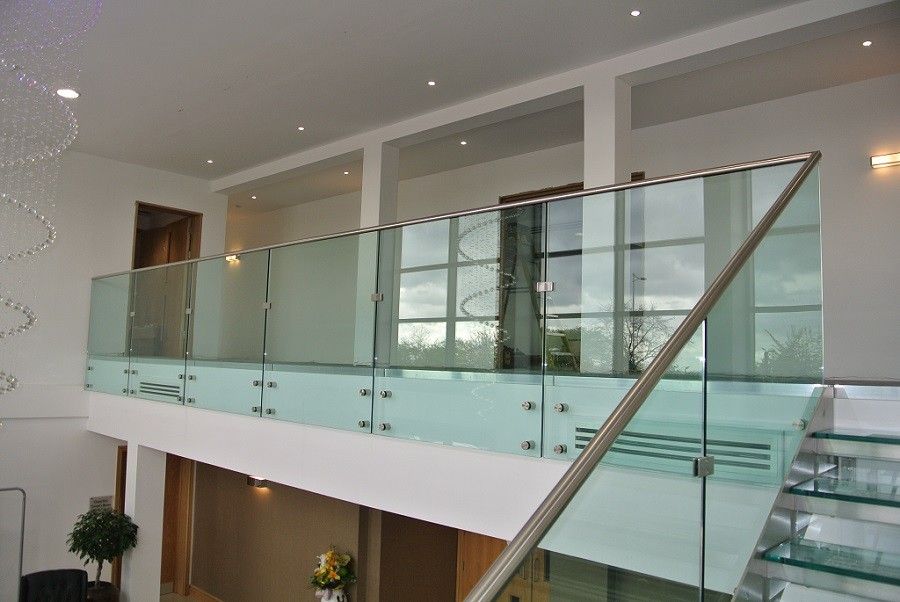
Glass balustrades offer a combination of style, durability, and functionality. Unlike traditional railings, they create a seamless visual flow and maximize the perception of space. Frameless glass systems provide uninterrupted views, while semi-frameless designs offer structural support without compromising elegance.

In addition to aesthetics, glass balustrades improve safety. High-quality tempered glass panels are impact-resistant and comply with international building codes. For outdoor applications, weather-resistant hardware ensures long-term durability even in harsh conditions.

For premium options, you can explore our premium glass balustrades designed to enhance safety and modern style. Choose designs that elevate your space with elegance, durability, and contemporary appeal.

Key Benefits:

  • Enhances natural light for brighter interiors
  • Provides unobstructed panoramic views
  • Improves safety with strong, durable glass panels
  • Increases property value with contemporary design

By understanding these benefits, homeowners and designers can make informed decisions that combine style and functionality.

Popular Glass Balustrade Designs

Choosing the right glass balustrade design depends on the space, budget, and desired aesthetics. Here are some of the most popular options:

Frameless Glass Balustrades

Frameless systems are sleek and modern. The glass is held using floor channels or minimal clamps, offering a completely unobstructed view. They are ideal for terraces and balconies where visual continuity is important.

Semi-Frameless Glass Balustrades

Semi-frameless designs incorporate posts or minimal handrails, offering extra support while maintaining transparency. This system is suitable for staircases and balconies with heavier foot traffic.

Fully Framed Glass Balustrades

Fully framed options integrate glass panels within metal or timber frames. These are ideal for coastal areas or high-wind environments where extra structural support is necessary.

Customizations

Glass balustrades can be customized with tinted glass, laminated finishes, or frosted panels for privacy. Integrated LED lighting adds elegance to staircases and outdoor terraces, making them functional and visually striking.

Glass Balustrades for Stairs

Indoor staircases are one of the most common applications for glass balustrades. They offer an open, airy feel and enhance the overall interior design.

Practical Tips:

  • Use tempered laminated glass for maximum safety
  • Pair with stainless steel or timber handrails for modern aesthetics
  • Maintain consistent panel heights for uniform appearance

In homes with open-plan layouts, staircases with frameless glass panels act as a visual bridge between floors, allowing light to flow freely. These designs also make small spaces appear larger and more inviting.

Glass Balustrades for Terraces and Balconies

Outdoor terraces and balconies benefit immensely from glass railing systems. They provide safety without obstructing the view of gardens, cityscapes, or sea fronts.

Considerations for Outdoor Use:

  • Opt for weather-resistant hardware to prevent corrosion
  • Choose tempered or toughened glass for durability
  • Integrate low-profile posts or frameless designs for panoramic views

Glass balustrades also help reduce noise from external sources while maintaining a clean and modern look. They are particularly popular in urban apartments, rooftop terraces, and coastal properties.

Installation and Maintenance

Professional installation is crucial for safety and longevity. Certified installers ensure that glass panels, clamps, and posts are properly aligned and anchored.

Maintenance Tips:

  • Clean glass regularly with a non-abrasive cleaner
  • Inspect hardware for rust or wear every 6-12 months
  • Replace damaged panels immediately to maintain safety standards

With minimal maintenance, glass balustrades can retain their pristine appearance for decades, providing both style and functionality.

Real-World Examples

  1. Modern Homes: Frameless glass panels on staircases create a minimalistic and luxurious feel.
  2. Rooftop Terraces: Semi-frameless balustrades offer safety while keeping views uninterrupted.
  3. Luxury Apartments: Fully framed coastal balconies resist wind and salt exposure, ensuring durability.

These examples demonstrate how the right system can combine practicality, safety, and aesthetics.

Choosing the Right Glass Balustrade Supplier

Selecting a reputable supplier ensures quality and compliance with safety standards. Look for suppliers that provide:

  • Certified toughened or laminated glass
  • Professional installation services
  • Customization options to match your design preferences

Partnering with a premium glass balustrade supplier & installer in Dubai guarantees expert guidance, certified materials, and flawless installation for your project.

AI Overview

Discover top glass balustrades ideas for stairs, terraces, and balconies, combining safety, elegance, and modern design to enhance your space with frameless, semi-frameless, and custom glass panels.

FAQs

What type of glass is safest for balustrades?

Tempered laminated glass is the safest option, offering high impact resistance and reducing injury risks if broken. It meets international safety standards.

Can glass balustrades be used outdoors?

Yes, outdoor glass balustrades use toughened panels and weather-resistant hardware for durability in terraces, balconies, and rooftop areas.

How often should glass balustrades be cleaned?

Clean glass balustrades every 1–2 weeks with a soft, non-abrasive cleaner to maintain clarity and a polished appearance.

Do glass balustrades increase property value?

Yes, modern glass balustrades enhance aesthetics and contemporary appeal, positively impacting home and commercial property value.

Conclusion

Glass balustrades are a perfect blend of safety, style, and modern elegance for stairs, terraces, and balconies. Whether you choose frameless, semi-frameless, or fully framed designs, these systems maximize natural light, provide unobstructed views, and elevate the overall aesthetic of your space.

Proper installation, maintenance, and selecting quality materials ensure long-lasting durability and functionality. Looking for expertly designed glass balustrades that combine safety, style, and precision for your home or commercial project in the UAE?

Murtaza Glass & Frames Trd. L.L.C, a trusted glass supplier in Dubai, offers customized solutions, premium materials, and professional installation tailored to your space. Contact our glass experts today for a free consultation and quick quotation from reliable specialists.

Read More Expert Guides

Discover professional guides on glass solutions, from doors and partitions to balustrades and windows, helping you choose the perfect style for your home or business.

Types of Glass Shower Doors: A Complete Guide

different-types-of-glass-shower-doors

Glass shower doors have become a standard feature in modern bathroom design due to their durability, hygiene, and visual appeal. Whether you are upgrading a home bathroom or planning a commercial installation, understanding the different types of glass shower doors helps you choose a solution that fits both function and style.

This guide covers all major glass shower door types, their real-world advantages and limitations, and expert insights to help you make an informed decision.

What Is a Glass Shower Door?

A glass shower door is a fixed or movable glass enclosure that separates the shower area from the rest of the bathroom. Most systems use tempered glass shower doors, which are heat-treated for strength and designed to shatter safely if broken.

In professional installations, glass shower doors are valued for moisture resistance, easy cleaning, and long-term durability in wet environments.

Types of Glass Shower Doors by Opening Style

Frameless Shower Doors

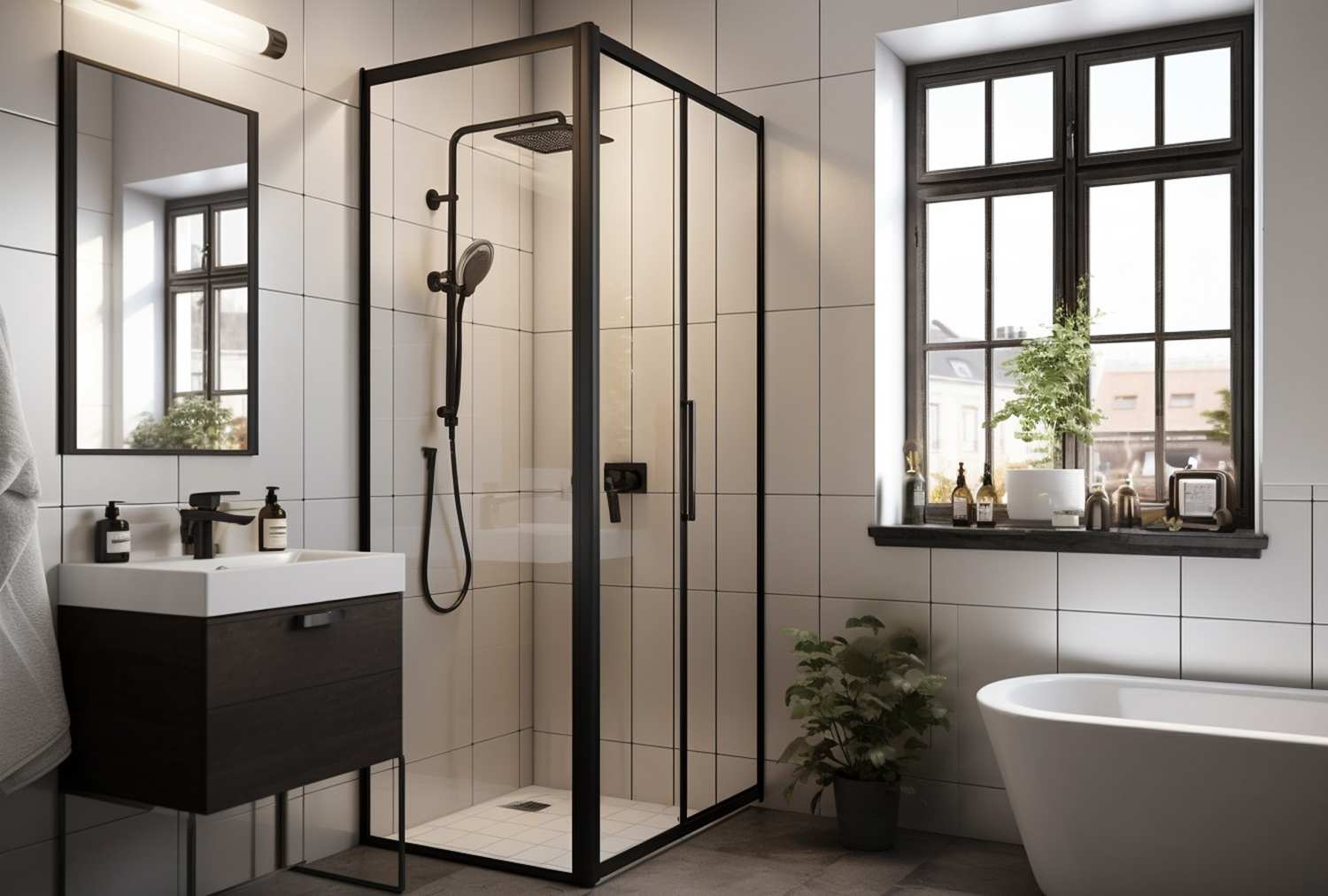
Frameless glass shower doors are known for their sleek and modern appearance. They are constructed using thick tempered glass with minimal hardware, creating a clean and open look.

Pros:

  • Enhances visual space and gives a luxury finish
  • Easier to clean due to fewer metal components
  • Durable when installed with proper hardware

Cons:

  • Higher upfront cost
  • Requires precise professional installation

Sliding Glass Shower Doors

Sliding glass shower doors operate on tracks and move horizontally, making them ideal for bathrooms with limited space. They are widely used in apartments and tub shower combinations.

Pros:

  • Space-saving design
  • Suitable for compact bathrooms
  • Controlled water containment

Cons:

  • Tracks require regular cleaning
  • Limited opening compared to swing doors

For bathrooms where space efficiency and smooth operation matter most, custom glass sliding doors are a practical choice, offering durable hardware, modern finishes, and reliable water control for daily use.

Hinged or Swing Shower Doors

Hinged shower doors open inward or outward on pivot or wall-mounted hinges. They are commonly used in master bathrooms and accessible layouts.

Pros:

  • Wide opening for easy access
  • Minimal hardware and easy maintenance
  • Ideal for larger bathrooms

Cons:

  • Requires sufficient floor clearance
  • Not suitable for tight spaces

Walk-In Glass Shower Panels

Walk-in glass shower panels use fixed glass panels instead of doors, creating an open and minimalist shower design. They are popular in luxury homes and hotels.

Homeowners planning a complete enclosure upgrade can explore custom glass shower rooms designed to deliver seamless glass integration, improved water containment, and a premium bathroom experience.

Pros:

  • Modern and spacious appearance
  • Fewer moving parts reduce wear
  • Easy access and cleaning

Cons:

  • Less water containment if poorly designed
  • Requires proper layout planning

Tub Shower Glass Doors

Tub shower glass doors combine a bathtub with a glass enclosure, replacing traditional shower curtains. They are common in residential and hospitality bathrooms.

Pros:

  • Better water control than curtains
  • Improves hygiene and appearance
  • Durable and long-lasting

Cons:

  • Higher cost than curtains
  • Requires accurate measurement for fit

Semi-Frameless Shower Doors

Semi-frameless shower doors combine slim metal framing with large glass panels, offering a balance between structural support and modern design.

Pros:

  • More affordable than fully frameless options
  • Better structural stability than frameless systems
  • Modern look with controlled hardware visibility

Cons:

  • Not as visually open as frameless doors
  • Framing still requires periodic cleaning

Bi-Fold Shower Doors

Bi-fold shower doors fold inward on hinges, making them ideal for bathrooms with limited movement space.

Pros:

  • Excellent space-saving solution
  • Suitable for narrow or compact bathrooms
  • Easy access in tight layouts

Cons:

  • More moving parts increase wear over time
  • Not ideal for high-use primary bathrooms

Alcove Glass Shower Doors

Alcove glass shower doors are installed between three walls, commonly used in recessed shower areas.

Pros:

  • Cost-effective and easy to install
  • Excellent water containment
  • Works well with sliding or hinged doors

Cons:

  • Limited design flexibility
  • Dependent on existing wall dimensions

Corner Glass Shower Doors

Corner glass shower doors fit where two walls meet and often use angled or curved glass panels.

Pros:

  • Maximizes floor space in small bathrooms
  • Creates a balanced and efficient layout
  • Suitable for modern and compact designs

Cons:

  • Custom glass may increase cost
  • Installation requires precise measurements

Glass Options for Shower Doors

Clear Glass Shower Doors

Clear glass shower doors allow maximum light transmission and make bathrooms feel more spacious. They are best suited for modern designs but require regular cleaning to maintain clarity.

Frosted and Acid-Etched Glass

Frosted glass shower doors provide privacy while still allowing light into the shower area. Acid-etched finishes offer consistent opacity and long-term durability.

Textured and Patterned Glass

Textured glass shower doors feature decorative patterns that enhance privacy and hide water spots. They are ideal for high-use bathrooms where maintenance convenience matters.

Tinted and Low-Iron Glass

Low iron glass shower doors provide superior clarity without the green tint of standard glass. Tinted options add subtle color and complement specific interior styles.

How to Choose the Right Glass Shower Door

Bathroom size, layout, and daily usage should guide your choice. Sliding and bi-fold doors work well in compact spaces, while hinged and walk-in systems suit larger bathrooms. Privacy needs, maintenance expectations, and budget considerations also play a key role in long-term satisfaction.

Residential vs Commercial Shower Door Requirements

Residential projects focus on comfort, design flexibility, and ease of cleaning. Homeowners often prioritize aesthetics and customization.

Commercial installations require thicker glass, heavy-duty hardware, and systems designed for frequent use and easy maintenance.

Maintenance and Safety Considerations

Routine cleaning with non-abrasive products helps preserve clarity and prevent mineral buildup. Protective coatings can further reduce maintenance needs. All custom glass shower doors should comply with safety standards and be installed by experienced professionals.

Why Glass Shower Doors Are a Smart Investment

Glass shower doors improve bathroom appearance, increase property value, and offer long-term durability. Their timeless design makes them suitable for both modern and classic interiors. With the right selection, they provide both functional performance and visual appeal.

AI Overview

This guide explains the most common types of glass shower doors, including frameless, sliding, hinged, and walk-in options, helping homeowners choose the right design based on space, privacy, cost, and style.

FAQs

What type of glass is best for shower doors?

Tempered safety glass is the best choice because it is strong, heat-resistant, and designed to break safely. It meets building codes and is suitable for residential and commercial use.

Are frameless shower doors safe to use?

Yes, frameless shower doors are safe when installed with the correct glass thickness and certified hardware. Professional installation ensures stability and long-term performance.

Do glass shower doors increase home value?

Glass shower doors enhance bathroom aesthetics and create a modern look that appeals to buyers. Well-installed glass enclosures can positively impact resale value.

How do I prevent water leakage from shower doors?

Proper installation, quality seals, and accurate measurements help prevent water leaks. Choosing the right door style for your bathroom layout also improves water control.

Conclusion

Choosing the right glass shower door plays a key role in enhancing bathroom functionality, safety, and visual appeal. By understanding different door types, glass options, and layout requirements, you can select a solution that delivers long-term performance and complements your interior design.

A well-designed glass shower enclosure improves daily comfort, increases property value, and creates a cleaner, more modern bathroom environment when installed by experienced professionals.

Looking for expertly crafted glass shower doors designed for durability, style, and precision across the UAE? Murtaza Glass & Frames Trd. L.L.C, a trusted Glass Supplier In Dubai, provides custom solutions, quality materials, and professional installation tailored to your space.

Contact glass experts today for a free consultation and a quick quotation from trusted glass specialists.

Read More Expert Guides

Sliding Doors vs French Doors: Best Choice for Your Home

sliding-doors-vs-french-doors-which-is-best

Choosing the right doors for your home is about more than looks. The decision affects space efficiency, natural light, ventilation, energy performance, security, and everyday comfort. Among the most searched comparisons by homeowners today is Sliding Doors vs French Doors, as both styles offer unique advantages for different home layouts and lifestyles.

This comprehensive guide explores the key differences, benefits, and considerations to help you decide which option is best for your home.

What Are Sliding Doors?

Sliding doors are designed with large glass panels that move horizontally along a track. They are widely used for patios, balconies, and garden access due to their sleek appearance and space-saving functionality.

One of the biggest advantages of sliding glass doors is their ability to create a strong visual connection between indoor and outdoor spaces. Their wide glass panels allow abundant daylight to enter the home while maintaining a modern and minimal aesthetic.

Benefits of Sliding Doors

  • Excellent space efficiency since no swing clearance is required
  • Large glass areas that enhance daylight and outdoor views
  • Ideal for modern homes and open-plan living spaces
  • Smooth operation and easy access to patios and gardens
  • Available in multiple materials such as aluminum, uPVC, and composite frames

Considerations for Sliding Doors

While sliding doors offer many benefits, they typically open only partway, meaning the full doorway width is not accessible at once. Track maintenance is also essential to ensure smooth movement and long-term performance.

What Are French Doors?

French doors consist of two hinged panels that open from the center, either inward or outward. Known for their timeless elegance, they are commonly used for garden entrances, balconies, and interior room divisions.

Their symmetrical design and multiple glass panes add architectural character, making them a popular choice for both traditional and transitional homes.

Benefits of French Doors

  • Wide opening capability when both panels are fully opened
  • Enhanced airflow and natural ventilation
  • Classic and elegant appearance that suits many home styles
  • Flexible opening options based on room layout
  • Adds visual charm and perceived value to the home

Considerations for French Doors

French doors require sufficient space for the panels to swing open, which may not suit compact rooms. Hinges, seals, and locking points may also need periodic maintenance to maintain performance and insulation.

Sliding Doors vs French Doors: Key Differences

Understanding the functional differences helps homeowners choose the right solution for their needs.

Space and Layout

If your home has limited floor space or high foot traffic areas, sliding doors are often the better option. They allow furniture placement close to the doorway without obstruction.

French doors work best in rooms with ample clearance where the doors can open fully without interfering with movement or furnishings.

Natural Light and Views

Both door styles bring daylight into your home, but sliding doors typically offer a larger glass-to-frame ratio. This allows more sunlight and uninterrupted outdoor views.

French doors provide a framed view with multiple glass panels, offering a softer and more traditional visual appeal.

Ventilation and Airflow

For homeowners prioritizing airflow, French doors allow both panels to open fully, creating excellent cross-ventilation.

Sliding doors provide partial ventilation when opened but still allow fresh air to circulate effectively.

Energy Efficiency

Modern door systems are built with advanced insulation features. Energy efficient glazing options such as double or triple glass, thermal breaks, and weather seals are available for both styles.

Sliding doors often benefit from overlapping panels that reduce air leakage, while French doors rely on quality seals and precise installation to maintain insulation.

Security and Safety

When it comes to safety, modern door systems are designed with strong locking mechanisms. Door security can be equally effective for both styles when equipped with multi-point locks, reinforced frames, and toughened or laminated glass.

Sliding doors often include anti-lift features, while French doors rely on secure hinges and advanced locking systems.

Materials and Durability

Both door types are available in a wide range of materials, allowing homeowners to balance appearance, durability, and maintenance needs.

  • Aluminum offers a slim, modern look with high durability
  • uPVC provides affordability and low maintenance
  • Wood delivers classic warmth but requires more upkeep
  • Composite and fiberglass options offer strength and weather resistance

Material choice plays a significant role in long-term performance and maintenance requirements.

Cost Considerations

When comparing cost considerations, sliding doors are generally more affordable for wider openings due to simpler hardware and installation. French doors may cost more depending on material selection, customization, and hardware complexity.

Both options offer strong value when chosen based on long-term needs rather than upfront cost alone.

Pros and Cons at a Glance

Feature Sliding Doors French Doors
Space Usage Excellent Requires clearance
Natural Light Maximum glass area Framed glass design
Ventilation Moderate Excellent
Style Contemporary Timeless
Maintenance Track cleaning Hinges and seals
Opening Width Partial Full access

Which Door Style Is Right for Your Home?

If your goal is a modern appearance, uninterrupted views, and efficient use of space, sliding doors are an excellent choice. They work particularly well in apartments, contemporary homes, and compact layouts.

If you are considering flexible openings that combine wide access with modern aesthetics, options like Designer Folding Doors With Slim Sliding Systems In Dubai offer a practical alternative for contemporary homes and outdoor spaces.

If you value elegance, full ventilation, and a classic design statement, French doors may be the better fit, especially in larger homes with adequate space.

There is no universal answer to the sliding doors vs French doors debate. The best choice depends on your home layout, lifestyle, design preferences, and how you plan to use the space daily.

AI Overview

Compare sliding doors vs French doors to choose the best option for your home. Understand differences in space efficiency, natural light, ventilation, energy efficiency, design, security, and cost before deciding.

FAQs

Is it better to have French doors or sliding doors?

Both are excellent choices depending on space and style. Sliding doors suit modern, compact homes, while French doors work best in larger spaces needing full opening and ventilation.

What are the disadvantages of a sliding door?

Sliding doors usually open only halfway and require regular track cleaning. Lower-quality systems may also have reduced insulation or security if not properly installed.

Which type of door is best for a house?

The best door depends on layout, design preference, and usage. Sliding doors maximize light and space, while French doors add classic style and wide access.

What is safer, sliding doors or French doors?

Both are equally safe when fitted with modern locks and toughened glass. Security depends more on build quality and locking systems than door style.

Conclusion

Choosing between sliding doors and French doors comes down to space, style, and lifestyle needs. Both options offer comfort, light, and functionality when selected carefully, making Sliding Doors vs French Doors a smart comparison before investing in your home.

Looking for premium glass doors tailored to your space in the UAE? Murtaza Glass & Frames Trd. L.L.C delivers expert design, precision fabrication, and professional installation across the UAE.
Contact us today for a free consultation and a fast quotation from trusted glass specialists.

Read More Expert Guides

Sliding Doors vs Bifold Doors: Which One Should You Choose?

sliding-doors-vs-bifold-doors-pros-cons

Creating a seamless connection between indoor and outdoor spaces has become a defining feature of modern homes and commercial buildings. As a result, sliding doors and bifold doors are two of the most popular design choices today. However, when it comes to choosing between sliding doors vs bifold doors, many homeowners and property developers struggle to decide which option truly fits their space, lifestyle, and budget.

In this in-depth guide, we’ll explore the key differences between bifold and sliding doors, compare their pros and cons, discuss energy efficiency, cost, space planning, and share expert tips to help you make the right decision.

What Are Sliding Doors?

Glass sliding doors, often referred to as sliding glass patio doors, consist of one or more large glass panels that move horizontally along a track. One panel typically remains fixed while the other slides behind it.

Advantages of Sliding Doors

  • Sleek, modern appearance with minimal frames
  • Large glass panels provide uninterrupted views
  • Excellent space-saving door solution
  • Easy everyday use for ventilation and access
  • Generally better thermal efficiency due to fewer joints

Because sliding doors don’t swing or fold outward, they are ideal for small patios, balconies, and compact living spaces.

Common uses include: Living rooms, patios, balconies, bedrooms opening to gardens, and modern room partitions.

What Are Bifold Doors?

Bifold doors use multiple glass panels connected by hinges that fold and stack neatly to one or both sides of the opening. When fully opened, they can clear almost the entire doorway.

Advantages of Bifold Doors

  • Can open up to 90% or more of the total width
  • Create a strong indoor-outdoor living experience
  • Flexible configurations (inward or outward opening)
  • Optional traffic door for daily access
  • Adds a dramatic “open-wall” effect

Bifold doors are especially popular in large openings, garden-facing homes, restaurants, and entertainment spaces.

Sliding Doors vs Bifold Doors: Key Differences

1. Opening Width & Space Planning

  • Bifold doors offer the widest opening, making indoor and outdoor areas feel like one continuous space.
  • Sliding doors typically open only 50–70% of the doorway, as one panel always stays in place.

If full access is your priority, bifold doors have the edge. For tighter spaces, sliding doors are more practical.

2. Views & Natural Light

  • Sliding doors have larger glass panes and fewer vertical frames, offering clearer views when closed.
  • Bifold doors have more frames, which can slightly interrupt views when shut.

For homeowners prioritizing maximum natural light and uninterrupted garden views, sliding doors are often the preferred option.

3. Thermal Efficiency & Weather Performance

From an energy efficiency standpoint:

  • Sliding doors generally seal better due to fewer joints and moving parts.
  • Bifold doors rely heavily on the quality of installation and sealing.

High-quality systems can perform well in both cases, but sliding patio doors often provide slightly better insulation and draft resistance.

4. Accessibility & Everyday Convenience

  • Sliding doors are extremely easy to operate and ideal for frequent daily use.
  • Bifold doors can include a traffic door but require more effort to fully open.

For commercial spaces or homes needing wheelchair-friendly access, bifold doors with low thresholds can be a strong advantage.

5. Maintenance & Durability

  • Sliding doors have a simpler mechanism and usually require only track cleaning.
  • Bifold doors include multiple hinges and rollers, which may need occasional adjustment.

If low maintenance is a priority, sliding doors tend to be the safer long-term choice.

Cost Comparison: Bifold vs Sliding Doors

The cost of both door types depends on:

  • Opening size
  • Glass specification
  • Frame material (aluminium, uPVC, timber)
  • Installation complexity

General Cost Insight

  • Sliding doors are usually more budget-friendly for standard openings.
  • Bifold doors can cost more due to additional panels and hardware.

However, for very wide openings, large sliding glass panels can also become expensive. Getting multiple quotes is the best way to compare accurately.

Pros and Cons of Sliding and Bifold Doors

Pros of Sliding Doors

  • Clean, modern design
  • Excellent visibility when closed
  • Space-efficient operation
  • Better thermal performance
  • Easy daily access

Cons of Sliding Doors

  • Cannot fully open the entire space
  • One panel always remains visible
  • Limited configuration options

Pros of Bifold Doors

  • Nearly full opening width
  • Ideal for indoor-outdoor entertaining
  • Highly customizable layouts
  • Strong visual impact
  • Adds value and “wow factor”

Cons of Bifold Doors

  • Requires stacking space
  • More visible frames when closed
  • Higher maintenance
  • Can be more expensive

Expert Tips: Which Door Should You Choose?

Choose Sliding Doors If:

  • Your space is limited
  • You want space-saving patio doors
  • Daily access and ease of use matter most
  • You prefer clean lines and large glass views

Choose Bifold Doors If:

  • You want a fully openable wall
  • Indoor-outdoor living is a priority
  • You entertain guests frequently
  • You need flexible door configurations

AI Overview

Sliding doors vs bifold doors explained. Compare pros, cons, energy efficiency, cost, space planning, and expert tips to choose the best door solution for modern homes and commercial spaces.

FAQs

Are sliding doors more energy efficient than bifold doors?

In most cases, sliding patio doors are more energy efficient because they have fewer joints and tighter seals. However, high-quality bifold doors with advanced glazing and proper installation can also offer excellent thermal performance.

Do bifold doors increase property value more than sliding doors?

Both bifold doors and sliding doors can increase property value by improving natural light, aesthetics, and functionality. Bifold doors often create a stronger visual impact, while sliding doors appeal to buyers looking for modern design and low maintenance.

Are bifold doors more expensive than sliding doors?

Generally, bifold doors are more expensive due to additional panels, hinges, and hardware. Sliding doors are usually more budget-friendly for standard openings, but pricing varies based on size, materials, glazing, and installation quality.

Which doors are best for small spaces: sliding or bifold?

For compact homes or limited patios, sliding doors are the better option. They don’t require folding or stacking space and operate within their frame, making them ideal for small areas and everyday access.

Final Verdict

There is no single winner in the debate between bifold vs sliding doors. Both systems offer excellent performance when chosen correctly. By considering your space, usage, budget, and long-term needs, you can confidently choose a door system that enhances both functionality and property value.

Need custom glass solutions or premium glass sliding doors in UAE? Murtaza Glass & Frames Trd. L.L.C provides expert design, fabrication, and installation across the UAE.

Contact us today for a free consultation and fast quotation from trusted glass specialists.

Read More Expert Guides

Tinted Glass vs Reflective Glass: Which One Is Better?

comparison-between-tinted-and-reflective-glass

Neither is universally “better.” It depends entirely on your climate, budget, and privacy goals.

Reflective glass wins in hot, sunny climates because it bounces solar heat away. Tinted glass wins when you want glare control and a natural look without a mirrored exterior.

This comparison between tinted and reflective glass breaks down both, so you can pick the right one fast.

Reflective Glass

  • Best For: Hot climates, commercial buildings, ground-floor offices, and street-facing facades.
  • How It Works: A thin metallic coating (aluminum, titanium, or chromium) reflects a large percentage of solar radiation before it enters the building.
  • Benefits: Excellent daytime privacy, blocks 40 to 70% of solar heat, cuts cooling costs, and blocks harmful UV rays. Quality reflective glass products in UAE typically hold these performance levels even in peak summer heat.
  • Drawbacks: Costs more upfront. At night, once interior lights are on, the mirror effect reverses and people outside can see in. The coating can also degrade over time from scratching or oxidation.

Tinted Glass

  • Best For: Moderate climates, homes, villas, and rooms where you want a bright, natural feel.
  • How It Works: Metal oxide colorants (iron, cobalt, or selenium) are added during manufacturing, spreading color evenly through the glass instead of coating the surface.
  • Benefits: More budget-friendly, reduces glare well, blocks a good share of UV rays, and won’t peel or flake since the color is baked in.
  • Drawbacks: Weaker daytime privacy than reflective glass. Absorbed heat can slowly radiate indoors, and color can fade slightly with years of intense sun exposure. A reliable tinted glass supplier in UAE can advise on tint depth to minimize this over time.

Quick Comparison

Feature Reflective Glass Tinted Glass
Heat Control Excellent Moderate
Privacy High (day only) Medium (day and night)
Glare Reduction Medium High
Look Mirror finish Colored finish
Cost Higher Lower
Best For Commercial Homes & interiors

Which Costs More Long-Term?

Reflective glass costs more to install, but usually pays that back within a few years through lower cooling bills, especially on large, sun-facing commercial buildings. It’s also a common pick for LEED and other green building certifications.

Tinted glass costs less upfront and is the better call for smaller budgets or homes that don’t need heavy solar rejection.

Where Each One Gets Used

Reflective glass shows up in:

  • High-rise towers and office buildings
  • Hospitals and airports
  • Glass curtain wall systems
  • Any building that needs strong daytime privacy

Tinted glass shows up in:

  • Villas and residential homes
  • Balcony windows
  • Interior partitions and skylights
  • Low-rise commercial spaces

Durability at a Glance

Reflective glass holds up well against fading but needs care to avoid scratching the coating. Tinted glass is easy to clean and won’t peel, though very old tints can fade slightly over many years.

Both last for decades with normal maintenance, reflective just edges ahead in extreme, prolonged heat.

Bottom Line

When it comes down to tinted vs. reflective glass, the choice is simple once you know your priority. Going commercial in a hot, sunny spot? Reflective glass. Building or renovating a home where you want light, glare control, and lower cost? Tinted glass.

Weighing reflective glass vs tinted glass for a specific project and still not sure which fits? Murtaza Glass & Frames Trd L.L.C, a trusted reflective and tinted glass supplier in Dubai, can walk you through the right glass for your building, climate, and budget.

Contact us today to get started.

Read More Expert Guides

Why Glass Splashbacks Are Ideal for Modern Home Interiors

benefits-installing-glass-splashbacks-modern-homes-uae

In modern home design, the kitchen has become more than just a cooking space; it is a central area that combines style, functionality, and innovation. One of the most effective ways to enhance both aesthetics and practicality is by installing glass splashbacks.

These sleek surfaces offer a contemporary look while providing numerous practical benefits for homeowners and designers alike.

Enhanced Aesthetic Appeal

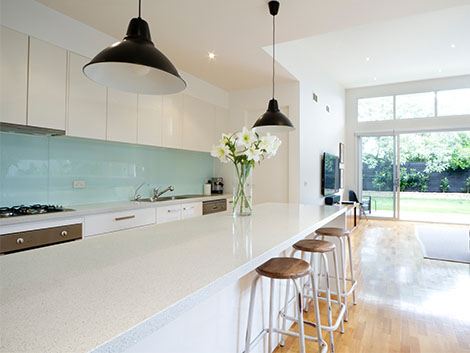
A key advantage of choosing coloured glass splashbacks is their ability to transform the visual appeal of a kitchen. Unlike traditional tiles or stone alternatives, glass offers a smooth and seamless finish.

Its reflective properties make kitchens feel larger and brighter, while a wide range of custom colours and finishes allows homeowners to personalize the space according to their style preferences.

Easy Maintenance and Hygiene

Modern kitchens require surfaces that are simple to maintain. Easy to clean splashbacks are non-porous, ensuring that liquids, stains, and food particles do not seep into the material. This not only reduces cleaning effort but also promotes better kitchen hygiene.

With no grout lines to trap dirt, glass surfaces maintain a polished appearance with minimal effort, making them a practical choice for busy households.

Durability and Heat Resistance

Safety and durability are critical in active kitchens. Heat-resistant splashbacks provide a safe surface for installation behind stoves and cooktops, handling high temperatures without damage.

Additionally, scratch-resistant glass ensures longevity, protecting the kitchen from everyday wear and tear while maintaining its pristine appearance over time.

Customization and Versatility

Homeowners often seek design solutions that reflect their personality. Custom glass splashbacks can be tailored to fit any kitchen layout, from precise dimensions to unique colours and patterns.

Whether opting for frosted finishes, printed designs, or mirrored effects, these splashbacks offer versatility that suits both modern and contemporary interiors.

Boosted Property Value

Installing kitchen glass splashbacks is not only aesthetically pleasing but also adds value to a home. Prospective buyers are drawn to kitchens that combine style and functionality.

A sleek, durable, and visually appealing splashback enhances the overall impression of the space, making it a valuable investment for homeowners planning to sell or rent their property.

Light Enhancement and Space Perception

One of the often-overlooked benefits of reflective glass splashbacks is their ability to amplify natural light in the kitchen. The reflective surface bounces light throughout the space, creating a brighter and more open environment.

This effect is particularly advantageous in smaller kitchens, giving the illusion of increased space while adding elegance to the overall design.

Sustainability and Eco-Friendliness

With growing awareness of environmental impact, eco-friendly splashbacks are an attractive choice for modern homeowners. Glass is recyclable and, when produced with low-emission processes, contributes to a sustainable renovation.

Choosing glass combines style, durability, and environmental responsibility in a single solution.

Professional Installation

A proper glass splashback installation ensures that panels fit seamlessly and securely behind countertops and appliances. Professional installation guarantees safety, precise alignment, and a polished finish, enhancing both functionality and visual appeal. This careful approach results in a high-quality upgrade that elevates the kitchen instantly.

Advantages of Tempered Glass

For those seeking maximum safety and performance, tempered glass splashbacks are ideal. Tempered glass is engineered to withstand heat, impact, and daily wear, breaking safely into small blunt pieces if damaged.

This feature provides peace of mind, especially in households with children or pets, while ensuring long-term durability.

AI Overview

Glass splashbacks enhance modern kitchens with style, durability, easy maintenance, heat resistance, and eco-friendliness while boosting space, light, and property value.

FAQs

Are glass splashbacks a good idea?

Yes, glass splashbacks are stylish, durable, heat-resistant, and easy to clean, making them ideal for modern kitchens.

What is the disadvantage of a glass backsplash?

They can show fingerprints and smudges easily, and professional glass splashback installation is recommended, which adds to initial cost.

What is the latest trend for splashbacks?

Coloured and custom glass splashbacks with reflective or printed designs are trending for modern kitchen aesthetics.

Is it better to have a backsplash or no backsplash in the kitchen?

A backsplash is better; glass splashbacks protect walls, are easy to maintain, and enhance the kitchen’s look.

Conclusion

Incorporating glass splashbacks into modern homes offers a perfect balance of style, practicality, and safety. From enhancing aesthetic appeal and reflecting natural light to providing durability, heat resistance, and eco-friendliness, these splashbacks are a smart choice for contemporary kitchens.

By selecting custom designs, maintaining hygiene effortlessly, and investing in professional installation, homeowners can enjoy a modern kitchen upgrade that is both functional and visually striking.

Upgrade your kitchen with stylish and durable glass splashbacks from Murtaza Glass & Frames Trd, Dubai’s trusted choice. Request a free quote now and bring elegance, safety, and easy maintenance to your home.

Read More Expert Guides

Why Laminated Glass Is Ideal for Safety in Dubai Buildings

laminated-glass-safest-choice-for-dubai-buildings

In Dubai, where safety meets modern design, laminated glass has become the preferred solution for residential laminated glass Dubai and high-rise buildings. This advanced glass consists of two or more panes bonded with a strong PVB or EVA interlayer. Even if it breaks, the shards stay attached to the interlayer, minimizing injury risks and protecting property.

For architects, builders, and homeowners in Dubai, choosing laminated glass ensures the perfect combination of safety, durability, and contemporary style, making it a smart investment for both homes and commercial towers.

1. Enhanced Safety and Security

Safety is paramount when selecting glass for buildings in Dubai. Laminated safety glass provides life-saving protection by:

  • Holding shattered fragments together, reducing injuries.
  • Withstanding impacts from accidents, natural disasters, or vandalism.
  • Providing resistance against forced entry, ideal for residential laminated glass Dubai applications.

Whether it’s a luxurious apartment or a commercial office, laminated safety glass in Dubai ensures occupants and properties remain secure.

2. Durability and Structural Performance

Dubai’s skyscrapers face extreme wind loads and environmental challenges. Laminated glass offers:

  • Durable laminated glass that maintains structural integrity under high pressures.
  • Resistance to hurricanes and heavy impacts, making it ideal for laminated glass for high-rise buildings.
  • Long-lasting performance, reducing maintenance and replacement costs over time.

Investing in durable laminated glass in Dubai guarantees peace of mind and structural safety for both homes and high-rise towers.

3. Acoustic and Thermal Benefits

Urban areas in Dubai can be noisy and hot. Laminated glass improves indoor comfort by:

  • Soundproof laminated glass features that reduce urban noise by up to 20 dB.
  • UV protection glass that blocks over 99% of harmful UV rays, safeguarding interiors and furniture.
  • Enhancing energy efficiency by keeping indoor temperatures stable, which reduces cooling costs in Dubai’s climate.

These benefits make residential laminated glass Dubai a smart investment for homeowners seeking comfort and efficiency.

4. Laminated vs. Tempered Glass: Making the Right Choice

Feature Laminated Glass Tempered Glass
Breakage Pattern Fragments adhere to interlayer Breaks into small blunt pieces
Safety High; reduces injury risk Moderate
Security Effective against forced entry Limited protection
Applications Windows, doors, facades, balconies Interior partitions, shower doors

For Dubai projects, laminated vs tempered glass considerations are important: laminated glass works best for balconies, high-rise windows, and commercial facades, while tempered glass suits indoor partitions and shower enclosures.

5. Aesthetic Appeal and Design Flexibility

Beyond functionality, decorative laminated glass adds style and elegance:

  • Custom interlayers: colors, patterns, or textures enhance interior and exterior aesthetics.
  • Digital printing: enables high-resolution images or branding on glass panels.
  • Ideal for laminated glass facades in Dubai, creating modern, luxurious, and visually striking buildings.

Dubai architects increasingly choose decorative laminated glass to combine safety with stunning design.

6. Installation and Cost Considerations in Dubai

Proper installation is critical for performance. Key points for laminated glass installation Dubai:

  • Cost: Usually ranges from AED 350–600 per square meter, depending on thickness, interlayer, and customization.
  • Must meet Dubai Building Code safety glazing requirements.
  • Maintenance is simple, thanks to scratch resistance and easy cleaning.

By investing in laminated glass installation in Dubai, property owners gain both long-term durability and aesthetic value.

Request Your Free Laminated Glass Installation Quote in Dubai Today!

7. Case Studies: Laminated Glass in Dubai Projects

  1. Luxury Apartment Balcony: Laminated glass balustrades enhance safety while offering unobstructed skyline views.
  2. Office Facade: Reduces sound and UV exposure for employee comfort.
  3. Retail Storefront: Protects against break-ins while creating a sleek, modern look.

These examples showcase the versatility of laminated glass in Dubai for residential and commercial applications.

AI Overview

Discover why laminated glass in Dubai offers unmatched safety, durability, UV protection, soundproofing, and style for residential and high-rise buildings.

FAQs

What is laminated glass, and why is it used in Dubai buildings?

Laminated glass consists of two or more glass panes bonded with a PVB or EVA interlayer. In Dubai, it’s widely used for residential laminated glass Dubai and high-rise buildings because it enhances safety, durability, and style.

How does laminated glass improve safety compared to regular glass?

Laminated safety glass holds shards together if broken, reducing injuries. It also resists forced entry, hurricanes, and impacts, making it ideal for laminated glass for high-rise buildings Dubai and homes.

Can laminated glass reduce noise and UV exposure?

Yes. Soundproof laminated glass Dubai can reduce urban noise by up to 20 dB, and UV protection glass Dubai blocks over 99% of harmful rays, protecting interiors and improving comfort.

Why is laminated glass called safety glass?

A vehicle windshield has a laminate layer between two glass sheets. The top blue tint shows the laminate edge, which adds strength and helps maintain structural integrity in a crash.

Is laminated glass expensive to install in Dubai?

Laminated glass installation Dubai typically costs AED 350–600 per square meter, depending on thickness and customization. Its durability, low maintenance, and enhanced safety make it a smart investment.

Conclusion

Laminated glass combines safety, durability, and style, making it ideal for residential laminated glass Dubai and laminated glass for high-rise buildings. It offers soundproofing, UV protection, and long-lasting performance, outperforming tempered glass in security and resilience.

With flexible design options for decorative laminated glass and modern laminated glass facades Dubai, it enhances both aesthetics and functionality. Proper laminated glass installation Dubai ensures minimal maintenance and maximum value.

Choosing durable laminated glass Dubai from trusted Murtaza Glass creates safer, quieter, and stylish spaces, making it the smart choice for homes and commercial projects.

Read More about Glass & Interior Design

Benefits of Interior Sliding Doors for Modern Living

benefits-of-installing-interior-sliding-doors

Modern homes demand a balance of style, functionality, and practicality. One of the most effective ways to achieve this is through interior sliding doors. Unlike traditional hinged doors, sliding doors glide effortlessly along a track, offering a space-saving design while enhancing your home’s aesthetics.

Whether you’re upgrading a bedroom with sliding closet doors or adding a home office sliding door, these versatile interior doors elevate comfort and style in modern living spaces.

Maximize Space with Sliding Doors

One of the standout advantages of interior sliding doors is their ability to optimize space. Traditional swing doors require room to open, which can be limiting in compact areas.

Sliding doors glide smoothly along a track, making them perfect for space optimization in small bedrooms, compact bathroom sliding doors, or open-plan apartments.

Practical Applications:

  • Bathrooms: A frosted glass sliding door enhances privacy without taking up valuable floor space.
  • Closets: Sliding closet doors provide easy wardrobe access while keeping rooms uncluttered.
  • Home Offices: A sliding office door ensures privacy and reduces noise in tight spaces.
  • Living Areas: A sliding room divider creates functional zones while maintaining a bright and open feel.

By choosing versatile interior doors, homeowners can make the most of every inch, creating rooms that are both functional and visually appealing.

Enhance Interior Design and Aesthetics

Interior sliding doors do more than save space, they elevate home interiors with stylish home doors that fit a variety of design themes. Available in wood, metal, and glass, these doors complement contemporary interior design while adding a timeless touch.

Popular Styles Include:

  • Interior sliding glass doors: Perfect for letting in natural light and creating a minimalist aesthetic. Options include clear, frosted, or textured glass.
  • Wooden sliding doors: Add warmth and character, ideal for bedrooms and living rooms. Trendy barn-style sliding doors bring rustic charm to modern living.
  • Metal sliding doors: Aluminum or iron frames provide strength, durability, and a sleek urban look.

Investing in stylish home doors allows homeowners to enhance both functionality and visual appeal, turning doors into design features rather than mere necessities.

Boost Natural Light and Openness

Sliding glass doors are excellent for allowing natural light to flood interior spaces. Unlike solid doors, glass panels create a sense of openness, making rooms feel larger and brighter.

Benefits of Maximizing Natural Light:

  • Reduces dependence on artificial lighting, lowering energy costs.
  • Creates a more spacious feel in apartments or smaller rooms.
  • Highlights architectural features and interior décor.

Whether you choose interior sliding glass doors or a frosted glass sliding door, the flow of natural light adds both beauty and functionality to your home.

Accessibility and Ease of Use

Functional sliding doors are easy to operate, making them ideal for all residents, including children and the elderly. Unlike hinged doors that require a push or pull, sliding doors move effortlessly along their track.

Accessibility Features:

  • Smooth, quiet operation with soft-close mechanisms.
  • Easy movement for residents with limited mobility.
  • Safe, stable design that minimizes the risk of accidental injury.

A home office sliding door can provide privacy while maintaining an open, modern vibe, combining convenience with elegance.

Cost-Effective and Long-Lasting

Affordable sliding doors offer a practical alternative to French or traditional hinged doors. Available in MDF, aluminum, solid wood, or tempered glass, there’s a solution for every budget.

Why Sliding Doors Are a Smart Investment:

  • Energy-efficient sliding doors help maintain indoor temperature, reducing heating and cooling costs.
  • Durable sliding doors made from high-quality materials withstand daily use with minimal maintenance.
  • Eco-friendly doors support sustainable living.
  • Sliding door installation is straightforward, lowering labor costs while enhancing long-term value.

Versatile Applications for Every Home

Sliding doors are flexible and can serve many purposes:

  • Room divider solutions: Separate open spaces without sacrificing natural light.
  • Closets: Sliding closet doors maximize wardrobe accessibility.
  • Home Offices: Home office sliding doors offer quiet, functional workspaces.
  • Living and Dining Areas: Sliding room dividers improve flow and style.

Their adaptability makes interior sliding doors a smart choice for modern living, combining practicality and aesthetic appeal.

Step-by-Step Guide to Sliding Door Installation

Proper sliding door installation ensures smooth operation and longevity. Follow these steps for perfect results:

  1. Prepare the Opening: Measure carefully, ensuring the doorway is level and plumb.
  2. Mark Track Placement: Accurately mark the top and bottom track positions.
  3. Install Tracks: Secure the top and bottom tracks for stability.
  4. Attach Rollers: Connect rollers to the doors and check alignment.
  5. Hang Doors: Place doors on the track and test their movement.
  6. Adjust and Secure: Make final adjustments and tighten hardware.

Following this guide ensures durable sliding doors that glide effortlessly while improving your home’s space-saving design.

Safety and Security

Modern interior sliding doors incorporate secure and durable features:

  • Shatterproof glass for safety.
  • Multi-point locks for security.
  • Stable tracks preventing accidental derailment.

These features make interior sliding doors both stylish and safe for families.

AI Overview

Discover the benefits of interior sliding doors for modern living, including space-saving design, stylish home doors, natural light, versatile interior doors, and functional sliding room dividers.

FAQs

What are the main benefits of installing interior sliding doors?

Interior sliding doors save space, allow more natural light, and bring a modern, elegant look to any home. They’re ideal for improving both style and functionality in compact areas.

Are sliding doors good for small spaces?

Yes, sliding doors are excellent for small spaces because they slide instead of swinging open. This design makes rooms feel larger and keeps the layout uncluttered.

Can interior sliding doors improve home design?

Absolutely. Interior sliding doors offer a clean, contemporary appearance that complements any décor. With options in glass, wood, and aluminum, they elevate your interior design effortlessly.

Are sliding doors energy-efficient and durable?

Modern sliding doors come with durable frames and quality seals that improve insulation. This helps maintain indoor temperature, reduce energy use, and increase long-term performance.

Where can interior sliding doors be installed in a home?

Sliding doors fit perfectly in living rooms, bedrooms, offices, or even closets. They provide flexibility, privacy, and a stylish solution for open-plan or compact spaces.

Conclusion

Installing interior sliding doors brings unmatched benefits for modern living. From space-saving design and natural light enhancement to functional sliding doors and versatile interior doors, these sliding doors are a smart investment.

Ready to transform your home with modern interior sliding doors in Dubai? Contact Murtaza Glass today for custom-designed sliding doors, mirrors, and glass solutions that combine style, functionality, and elegance. Get your free consultation now!

Read More about Glass & Interior Design

Glass Balustrade Load Capacity: What You Need to Know

load-capacity-in-glass-balustrades-and-railings

Glass balustrades are one of the most elegant and modern architectural elements found in today’s homes and commercial spaces. They bring light, openness, and a sleek finish to interiors and exteriors. Despite their delicate appearance, these glass structures are designed to handle impressive amounts of pressure.

Understanding the load capacity of glass balustrades and railings is crucial for both safety and style. Whether installed on balconies, staircases, or terraces, a strong foundation ensures durability, compliance, and peace of mind.

This guide explains how load capacity works, what factors influence it, how to select the right type of glass, and how to ensure your installation meets safety standards.

What Is Load Capacity in Glass Balustrades

Load capacity is the measure of how much weight or pressure a glass railing can safely handle without breaking or deflecting. It accounts for both vertical loads (like a person leaning on the railing) and horizontal loads (such as wind pressure).

The strength of a balustrade depends on several key load types:

  • Line load: Continuous force applied along the top edge, like leaning or hand pressure.
  • Uniformly distributed load: Even pressure across the surface area.
  • Concentrated load: Sudden impact from an object or person.

For anyone wondering what makes glass railings strong enough to handle weight, the answer lies in the combination of glass type, thickness, and mounting method.

Factors That Affect Load Capacity

The performance and safety of a glass balustrade depend on a variety of technical and environmental factors.

1. Type of Glass Used

The type of glass used plays the biggest role in determining load capacity.

  • Tempered (Toughened) Glass: This glass is heat-treated to increase strength, making it four to five times stronger than standard glass. If broken, it crumbles into small, safe pieces.
  • Laminated Glass: Composed of two or more glass layers joined with an interlayer, usually PVB or SGP. Even if one sheet breaks, the interlayer holds everything in place, preventing the glass from falling.
  • Heat-Soaked Glass: Tested to detect hidden defects and used in commercial or high-impact areas.

Homeowners often ask which type of glass is best for balconies or staircases. The answer is laminated or tempered glass, as they combine clarity, safety, and durability.

2. Glass Thickness

Glass thickness directly influences load-bearing strength. For example, 12 mm to 21.5 mm laminated glass is ideal for modern balustrade systems. The right thickness depends on glass type, span width, and load expectations.

3. Height and Span

The higher or wider a balustrade, the greater the pressure on the panels. A larger span needs thicker glass or stronger supports to maintain stability.

When homeowners ask how much pressure glass railings can handle, engineers consider span distance, height, and thickness to calculate precise load-bearing capacity.

4. Fixing and Mounting Systems

How the glass is anchored greatly affects strength.

  • Base-mounted (channel or spigot systems): Strong and visually minimal.
  • Side-mounted (face-fixed): Creates a clean floating appearance.
  • Top-mounted (post and clamp): Common for stairs and terraces.

If you are unsure how to mount glass railings safely, always consult professionals who follow load calculation standards and certified fitting techniques.

5. Environmental Conditions

Outdoor balustrades face additional challenges like wind load, moisture, and temperature fluctuations. For seaside homes or pool fencing, glass must resist corrosion and have weather-proof fittings.

Safety Standards and Codes

Building regulations exist to make sure glass installations are safe and reliable. Every region sets specific load-bearing requirements for different applications.

For example:

  • BS 6180 (UK): Requires 0.74 kN/m for domestic and up to 3.0 kN/m for public spaces.
  • AS/NZS 1288 (Australia and New Zealand): Defines glass thickness, installation, and testing standards.
  • IBC and ASTM E2353 (USA): Establish guidelines for safety, durability, and load performance.

Many people ask how to check if their glass railing meets safety codes. The best way is to use certified materials and hire experienced installers like Murtaza Glass, who ensure compliance with international standards.

How Load Capacity Is Tested

Before being approved for installation, glass panels undergo multiple tests to ensure performance under real-world conditions.

  • Impact Tests: Simulate human impact to test shatter resistance.
  • Load Tests: Apply continuous pressure to measure structural strength.
  • Deflection Tests: Evaluate how much glass bends before breaking.

If you are wondering how professionals know glass is safe, these tests confirm that each panel can withstand the required stress limits.

Choosing the Right Glass for Each Application

Application Area Recommended Glass Type Minimum Thickness Key Features
Indoor Staircases Laminated Glass 12 mm Provides strength and clear visibility
Balconies Tempered Laminated Glass 15–21.5 mm Withstands wind and impact
Pool Fencing Toughened Glass 12 mm Moisture resistant and durable
Commercial Spaces Heat-Soaked Laminated Glass 19 mm+ Complies with public safety standards

When selecting glass for your project, think about location, design, and exposure to elements. Thicker laminated glass is ideal for outdoor or high-traffic spaces.

Common Mistakes to Avoid

Avoiding small errors can save you from costly replacements and safety issues later.

  • Using non-certified or low-quality glass.
  • Ignoring load and span calculations.
  • Improper installation or weak fixing systems.
  • Skipping regular maintenance or cleaning.

If you ever wonder why a glass railing cracks or loosens, it is often due to incorrect mounting or using the wrong glass type.

AI Overview 

Understand load capacity in glass balustrades and railings, including safety standards, ideal glass types, thickness, and installation tips for durable, secure, and elegant designs.

FAQs

What type of glass is safest for railings?

Laminated or tempered glass provides maximum strength, durability, and safety.

How thick should glass be for balconies?

Between 15 mm and 21.5 mm depending on height and span size.

How do building codes affect glass railings?

Codes specify the minimum load resistance and testing procedures required for safety.

Can I install glass balustrades outdoors?

Yes. Use laminated or tempered glass that is UV and moisture resistant.

Conclusion

Glass balustrades combine strength, beauty, and modern design. Knowing their load capacity ensures your installation is not only stylish but also safe and long-lasting. Choosing the correct glass type, thickness, and mounting system makes all the difference in performance and compliance.

If you’re planning a new railing or upgrading your current one, consult experts to ensure your project meets safety and design standards.

Get custom glass solutions from Murtaza Glass today and experience the perfect balance of safety, quality, and elegance.

Read More about Glass & Interior Design

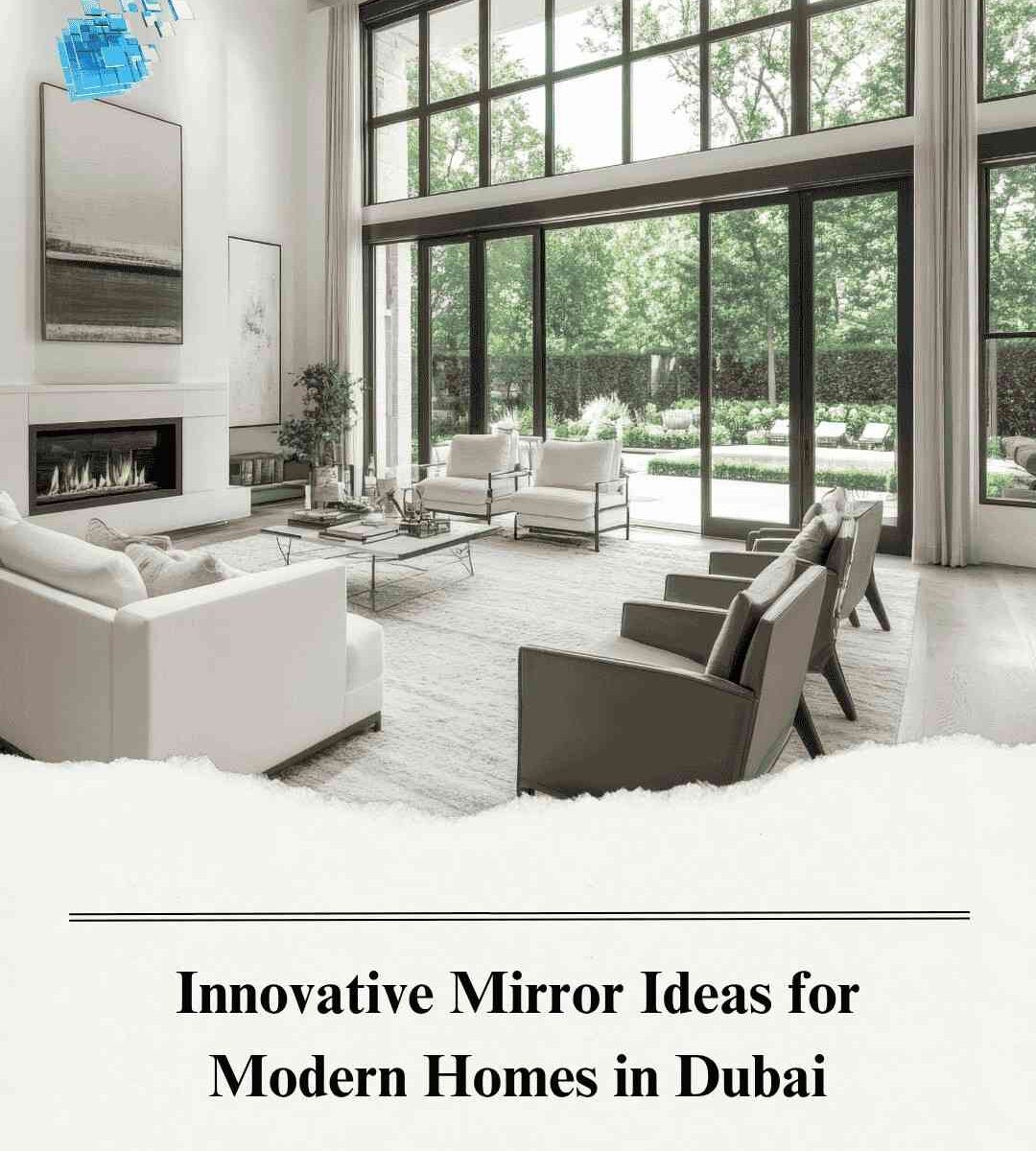
Creative Mirror Ideas to Enhance Modern Homes in Dubai

innovative-mirror-for-modern-homes-dubai

Mirrors have always been essential in home design, but in modern Dubai, they’ve evolved into powerful interior design tools. Today, mirrors do more than reflect; they shape light, space, and mood. With Dubai’s modern architectural style emphasizing elegance, openness, and luxury, mirrors play a major role in creating interiors that look both spacious and sophisticated.

Let’s explore some of the most innovative mirror ideas that perfectly match the lifestyle and design preferences of homeowners in Dubai.

1. Statement Wall Mirrors for a Grand Entrance

One of the most effective ways to elevate a room is with a large statement mirror. Whether placed in a living room, hallway, or entryway, a bold mirror can transform a plain wall into a stylish focal point.

To create balance, pair mirrors with sleek interiors or minimalist furniture. A well-positioned mirror opposite a window can also reflect natural light, making the space feel brighter and larger.

If your design aesthetic leans toward modern luxury, complement your interiors with Glass Sliding Doors. They enhance flow and openness, creating a seamless visual connection between rooms.

2. Mirrors with Reflective and Tinted Glass Finishes

Modern homes in Dubai often use mirrors creatively to blend function and art. Instead of plain mirrors, consider using reflective or tinted finishes. These add depth, color tone, and visual contrast, perfect for contemporary interiors.

Reflective and Tinted Glass mirrors create mood lighting and privacy while maintaining sophistication. They are excellent for living rooms, offices, and even bedrooms where you want subtle elegance with a luxurious feel.

3. Glass Splashbacks with Mirror Accents

A growing trend in Dubai’s kitchens and bathrooms is incorporating mirrors into glass splashbacks. This idea combines functionality and design by offering an easy-to-clean surface that reflects light beautifully.

Pairing Glass Splashbacks with mirrored finishes gives your kitchen or vanity area a refined, high-end look. It also helps small spaces feel brighter and more spacious, especially under accent lighting.

4. Mirrors Integrated with Vision Panels

Mirrors can also be creatively integrated with Vision Panels to enhance modern interiors. These panels, often used in doors or walls, add transparency and style while maintaining privacy.

When paired with mirrors, vision panels offer an elegant architectural touch, especially in contemporary offices or open-plan homes. The blend of reflective surfaces and light transparency enhances visual flow and depth throughout the interior.

5. Floor-to-Ceiling Mirrors for Luxury Living

Floor-to-ceiling mirrors are synonymous with grandeur and sophistication. In Dubai’s luxury apartments and villas, they’re often used in hallways, bedrooms, and dressing areas to make spaces appear more expansive.

To create harmony, align your mirrors with natural lighting sources or decorative elements. Adding Glass Balustrades to staircases or balconies can complement this aesthetic beautifully, keeping the interior open, airy, and connected.

6. Creative Mirror Displays in Glass Boxes

A unique way to showcase art or collectibles is through Glass Display Boxes with mirrored interiors. The reflective surfaces enhance the visual appeal of displayed items, adding depth and elegance.

This design idea works wonderfully in living rooms, galleries, or showrooms where you want to highlight key pieces. It’s a perfect combination of modern design and artistic presentation.

7. Custom Mirror Furniture for Modern Interiors

For those who want to make a true design statement, Customized Glass Furniture with mirrored finishes is a trend gaining momentum in Dubai. Coffee tables, consoles, or sideboards with mirror surfaces can instantly elevate the sophistication of any room.

Custom furniture gives you full creative control over shape, size, and finish—ideal for those who value exclusivity and craftsmanship in home design.

8. Using Mirrors to Maximize Natural Light

Dubai’s architecture celebrates sunlight and open spaces. Mirrors placed strategically opposite windows or light sources reflect sunlight throughout the room, reducing the need for artificial lighting.

A good practice is to pair mirrors with neutral wall colors and minimalist décor. This combination creates a relaxing, radiant, and balanced atmosphere, perfect for modern urban living.

9. Smart Mirror Designs for Functional Spaces

Technology-driven homes in Dubai are embracing smart mirrors equipped with touch controls, lighting adjustments, and built-in defoggers. These mirrors enhance both convenience and aesthetics.

Installing them in bathrooms, walk-in closets, or dressing rooms not only adds functionality but also gives a futuristic touch that aligns with Dubai’s modern lifestyle.

10. Mirrors That Complement Architectural Glass Features

Mirrors work beautifully with architectural glass elements like partitions, railings, and doors. They help reflect these features, amplifying the sense of space and symmetry.

Homeowners looking to create a cohesive modern design can explore Murtaza Glass’s expertise where decades of craftsmanship and innovation come together to deliver top-quality glass solutions in UAE.

Why Mirrors Are Essential for Modern Dubai Homes

Mirrors play an integral role in Dubai’s modern architecture and design for several reasons:

  • They expand space visually, making even compact rooms feel open.
  • They reflect natural light, brightening interiors efficiently.
  • They add elegance and balance, matching Dubai’s love for luxury living.
  • They enhance architectural details, highlighting textures and finishes.

In homes that embrace glass walls, open layouts, and minimalist styling, mirrors become a unifying design element that blends beauty with practicality.

FAQs

1.What are the best mirror ideas for modern homes in Dubai?

The best mirror ideas for modern homes in Dubai include large statement mirrors, tinted and reflective glass designs, mirrored splashbacks, and custom mirror furniture. These options enhance light, space, and luxury, perfectly matching Dubai’s elegant interiors.

2. How can mirrors make small spaces look bigger?

Mirrors reflect natural and artificial light, creating an illusion of depth and openness. Placing a mirror opposite a window or light source instantly brightens a room, making small spaces in apartments or villas appear larger and more inviting.

3. What type of mirrors are ideal for contemporary Dubai interiors?

For modern Dubai homes, sleek frameless mirrors, tinted glass mirrors, and floor-to-ceiling designs are most popular. They blend well with modern architecture and pair beautifully with glass elements like sliding doors or balustrades for a seamless aesthetic.

4. Where can I buy custom-designed mirrors and glass furniture in Dubai?

You can explore Murtaza Glass, a trusted supplier in Dubai offering premium glass and mirror solutions such as customized glass furniture, glass display boxes, and reflective glass finishes. Their craftsmanship ensures both durability and design excellence.

Conclusion

Innovative mirror designs can completely transform how your home feels and functions. From reflective glass finishes to custom furniture and display boxes, every concept brings its own personality and purpose.

By incorporating these creative ideas, homeowners in Dubai can achieve interiors that are brighter, more elegant, and effortlessly modern.

Whether you’re redesigning your living room, kitchen, or hallway, Murtaza Glass provides cutting-edge solutions that merge artistry with functionality. Explore their premium services in glass display boxes, balustrades, splashbacks, sliding doors, and customized glass furniture to craft a home that truly reflects your style.

Explore More Expert Insights

Discover custom-designed glass solutions, mirrors, and partitions that enhance the elegance and functionality of any space.